
Table Of Contents
We have been tracking global workplace trends for years, and right now, in early 2026, India’s corporate scene feels like it’s standing on the edge of something big.
The same old toxic patterns, abusive bosses, endless hours, harassment, and clever contractual traps are still grinding people down.
However, there is also a new energy: more employees speaking up, revenge quitting on the rise, and fresh labor reforms starting to bite. Is this the year things finally shift?
We have pulled together the most recent data and real-world examples to give you an honest, no-nonsense view.
Let us dive in.
The Mental Health Emergency No One Can Ignore Anymore
Indian workplaces have become the world’s burnout capital.
Late 2025 surveys showed 59–83% of employees experiencing burnout symptoms, with tech workers often hitting the higher end.
Early 2026 reports are not much kinder: many professionals are logging 70+ hour weeks, and chronic stress is driving anxiety, depression, and even physical health crises.
“Revenge quitting,” walking out without notice to protect your well-being, became one of the biggest career trends of 2026.
When work consistently destroys your mental health, people eventually say enough.
2026 Mental Health Snapshot – Indian Workplaces
| Metric | Statistic (2025–2026) | Global Comparison | Takeaway |
|---|---|---|---|
| Burnout Symptoms | 59–83% | Highest worldwide | The tech sector suffering most |
| Weekly Hours >50 | ~51% | Second highest (ILO data) | Dramatic rise in health risks |
| Actively Job Hunting Due to Stress | ~50% | N/A | Poor work-life balance #1 driver |
| Anxiety Among Under-25 New Joiners | Up to 90% | N/A | Youngest workers hit hardest |
Abuse and Harassment: More Reports, Same Systemic Failures
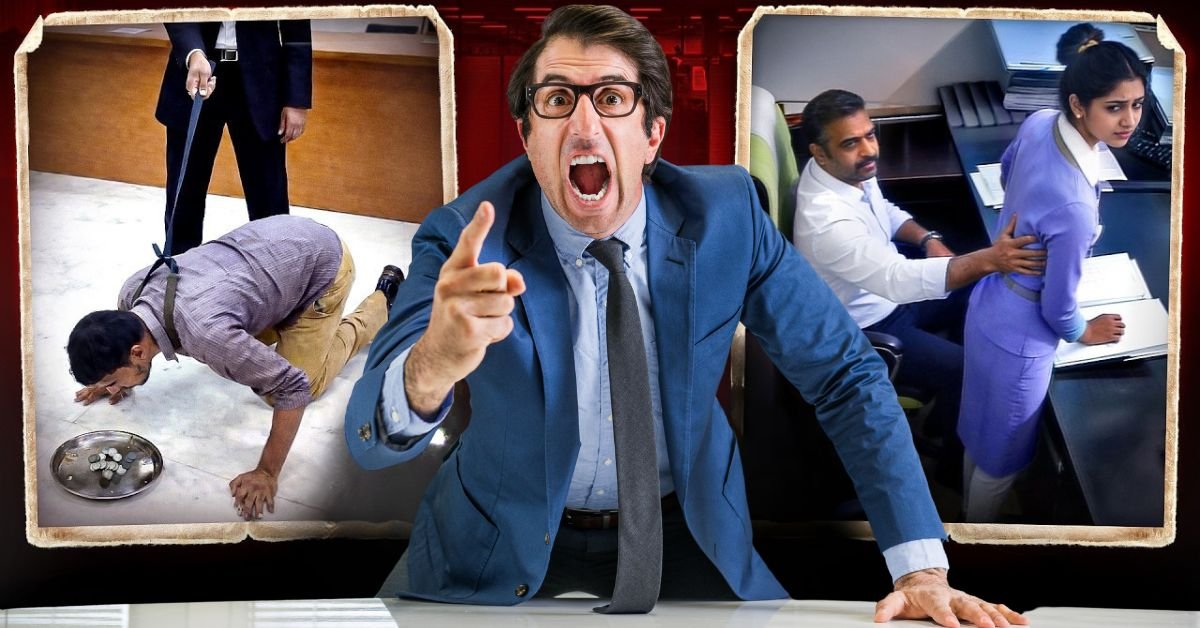
The horror stories have not stopped. Employees are forced to crawl for missing targets.
Offices are locked overnight until work is “done.” Aggressive exit interviews that send people to the hospital.
Weekend threats and dismissive rants about family time are still far too common.
Sexual harassment remains a nightmare for many women. POSH Act complaints at top firms rose 6.2% in FY25 as reporting confidence grew, but internal committees are still often biased, and fear of retaliation keeps most cases silent.
New 2025–2026 guidelines demand better board oversight and transparency, yet real justice feels distant.
Gender discrimination compounds everything: illegal firings during pregnancy, married women rejected for jobs (the Foxconn case lingers in memory), and persistent salary delays that push families into survival mode.
The Clever Traps That Lock People In
Companies have mastered the art of making things feel impossible:
- Heavy bonds and exit penalties, pay lakhs if you leave early, sometimes even if they fire you.
- Training cost clawbacks for “early” resignations.
- Withheld relieving letters and background check blocks.
- Document seizures that leave you stuck.
High youth unemployment and family responsibilities make taking the risk terrifying.
However, change is creeping in: new labor codes effective November 2025 give fixed-term workers equal benefits and speed up unpaid wage claims.
Courts have also started striking down extreme post-employment non-compete clauses.
Common Traps vs. Recent Legal Shifts
| Trap | How It Works | 2025–2026 Legal Update | Real-World Impact |
|---|---|---|---|
| Employment Bonds | Massive penalties for early exit | Upheld only if reasonable | Freshers remain most vulnerable |
| Post-Job Non-Competes | Barred from joining rivals | Increasingly void after employment ends | Slightly more career mobility |
| Chronic Salary Delays | Months without pay, endless excuses | Faster resolution under new codes | Fewer families in crisis |
| Weak Protections for White-Collar | Many labor laws exclude “managerial” roles | Broader definitions, better social security | Progress is slow but visible |
Glimmers Of Hope: Reforms And Employee Pushback
Something feels different in 2026.
The four new labor codes are reshaping wages, security, and safety. Unpaid salary disputes now move faster.
Moreover, the proposed “right to disconnect” bill, which prohibits off-hours messages without consequences, is gaining serious traction as a way to restore boundaries in an always-on culture.
Employees are fighting smarter too: documenting everything privately, confirming boundaries via email, upskilling quietly, and building networks for quick exits.
Awareness itself has become power.
Practical Ways To Protect Yourself Today
You do not have to wait for perfect laws.
Here is what actually works right now:
- Put everything in writing: Politely confirm working hours, required approvals for overtime, and performance goals via email. It creates an unbreakable paper trail.
- Keep private records: Timestamp incidents, note witnesses, save screenshots from company devices. Courts treat contemporaneous notes seriously.
- Build real exit options: Constantly upskill, expand your network, and line up backup offers. Your bargaining power depends on choices.
- Learn the new rules: Use the updated labor codes when disputes arise.
- Report safely when possible: Rising complaint volumes are slowly forcing accountability.
Final Thoughts
India’s corporate culture has long thrived on engineered compromise, using legal loopholes and fear to extract endless sacrifice.
Mental health has paid the heaviest price.
However, in 2026, we are seeing cracks: louder voices, faster justice mechanisms, and employees reclaiming agency through boundaries and bold exits.
Change won’t happen overnight, but the momentum feels real.
Trivia
As of early 2026, India still has the world’s highest percentage of workers clocking over 50 hours weekly, but it is also leading the conversation on “right to disconnect” legislation.
If this piece resonated, please share it with someone who needs to read it.
Moreover, swing by our site for more insights on global careers, mental health at work, and emerging trends.
Plenty more coming soon.
About Author