Table Of Contents
IMAX Format Varanasi
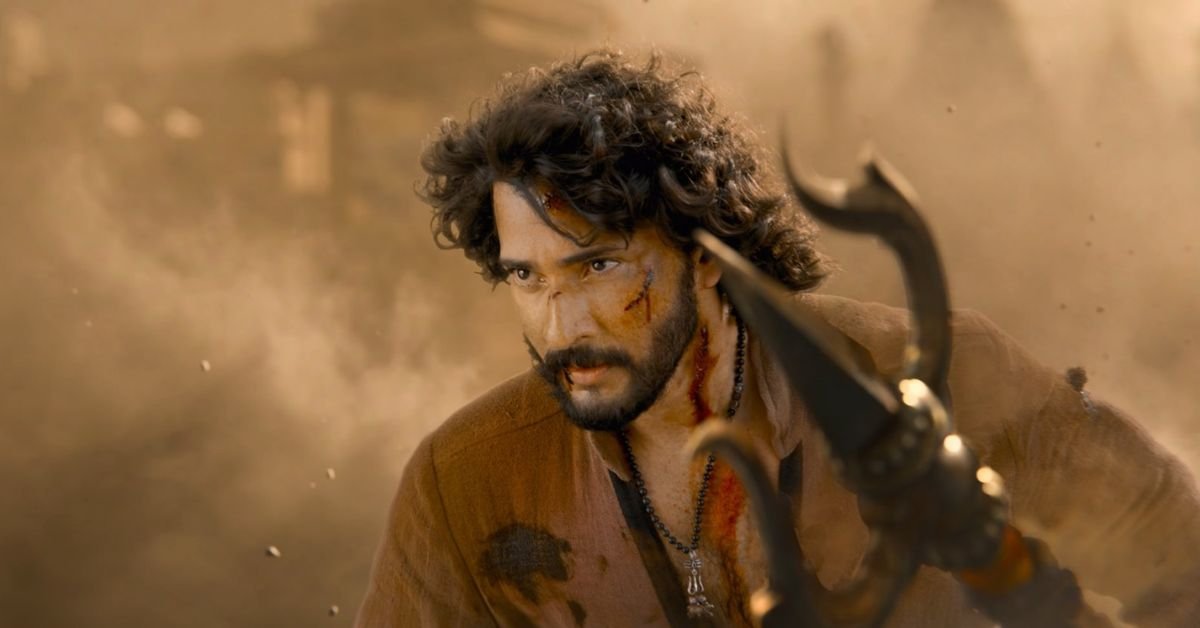
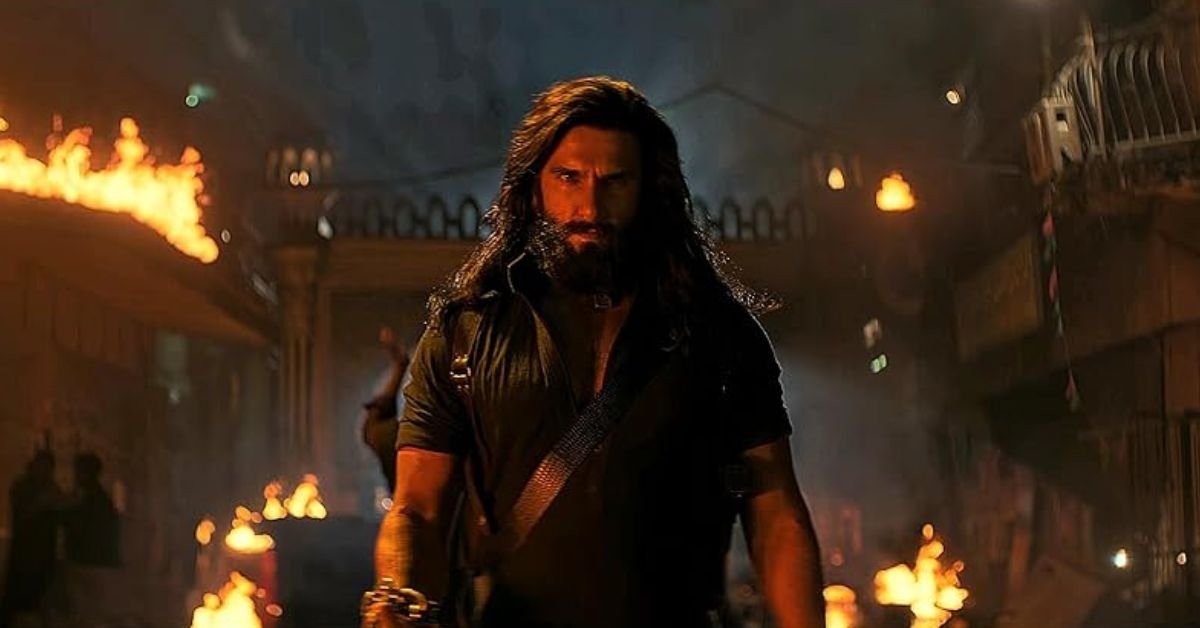
SS Rajamouli‘s Varanasi, starring Mahesh Babu and set for a 2027 release, uses a new premium IMAX format.
This is the first Indian film shot natively for full-screen IMAX with a 1.43:1 aspect ratio.
It fills the entire IMAX screen without changes after filming. The format was announced on November 15, 2025, at the GlobeTrotter event in Hyderabad.
Unlike past films like Baahubali and RRR, which were adjusted for IMAX later, Varanasi is made directly for this format from start to finish.
Basic Idea Of IMAX Formats
IMAX gives bigger screens, sharper images, and special shapes (aspect ratios).
The classic IMAX uses a 1.43:1 ratio, which is almost square.
This shows 26% more pictures than wide formats.
It uses 70mm film or high-quality digital cameras for screens up to 100 feet tall.
Digital IMAX (common in theaters) uses a 1.90:1 ratio with 4K laser projection.
It is good, but does not fill the screen as much vertically as “true” IMAX.
In Varanasi, key parts, or the whole film, are shot with IMAX cameras in 1.43:1.
This fits epic scenes like action and myths perfectly.
The event showed this on a huge 100×130-foot screen to prove the clear, full view without issues.
How It Works Technically
The new format captures video directly with IMAX tools.
It keeps high detail in bright and dark areas (HDR).
Resolution can reach 18K level, with less noise and better sharpness.
This avoids problems from “blowing up” images, like blurry parts.
It uses high-frame-rate if needed to make fast action smooth.
For Varanasi‘s story, a time-travel tale with myths from 7200 BCE, it helps show big sets and effects clearly.
Filming needs careful lighting and focus to work on giant screens.
Comparison Of Old And New Formats
Here is a simple table comparing the old converted IMAX (used in past films) with the new native IMAX in Varanasi:
| Feature | Converted | IMAX |
|---|---|---|
| Aspect Ratio | 1.90:1 or expanded from 2.39:1 | 1.43:1 |
| Shooting Method | Shot in standard format, then remastered | Captured directly with IMAX cameras |
| Resolution/Quality | Up to 4K/6K; may lose detail from upscale | Up to 18K equivalent; full HDR, no artifacts |
| Viewing in IMAX | Partial screen fill; possible cropping | Full screen use; better depth and scale |
| Examples | Baahubali, RRR | Like Oppenheimer sequences |
This table shows how the new format gives a fuller, clearer view.
Challenges In Using This Format
In India, most IMAX theaters are digital (1.90:1).
The film may need cuts for these, changing some views.
Full effect needs special GT theaters with 70mm or laser tech.
Production uses big sets in Hyderabad and shoots in places like Kenya.
It fits the film’s VFX for myths and action.
This new way sets a high standard for future films.
About Author