Table Of Contents
Hey there, friends.
I am sitting here in my office at THOUSIF Inc. in India, sipping a cup of chai, thinking about how some stories just stick with you.
One that always comes back to me is the Lyari gang war, that long, bloody chapter in Karachi’s history that turned a vibrant old neighborhood into something out of a nightmare.
I have followed it for years, not just because it is dramatic, but because it shows how ordinary places and people can get caught in cycles of violence, revenge, and power.
Today, I want to share the full story with you – the good, the bad, and the hopeful bits at the end.
Let us walk through it together, step by step, like we are chatting over coffee.
What Is Lyari, Anyway? The Heart Of The Story
Lyari is not just any part of Karachi.
It is one of the oldest settlements in the city, often called “Karachi ki Maa” or the Mother of Karachi by its residents.
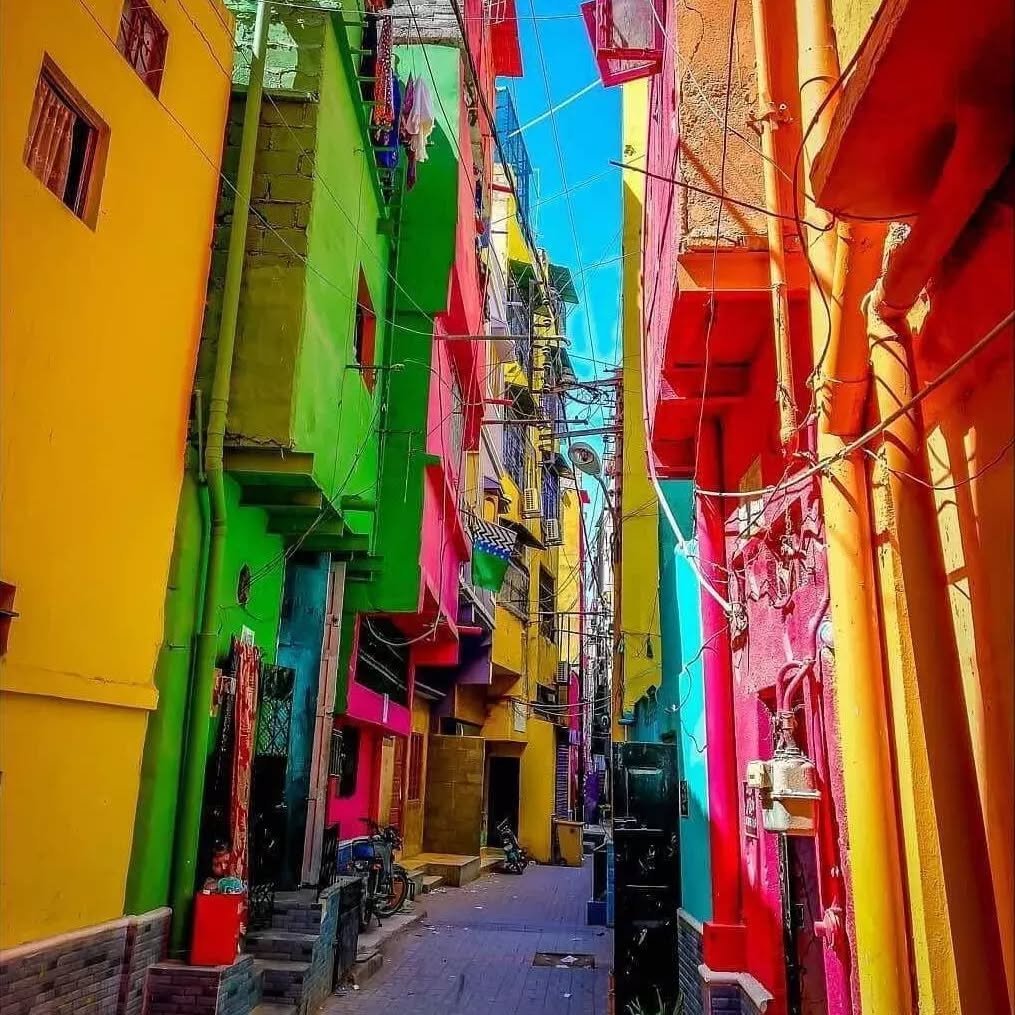
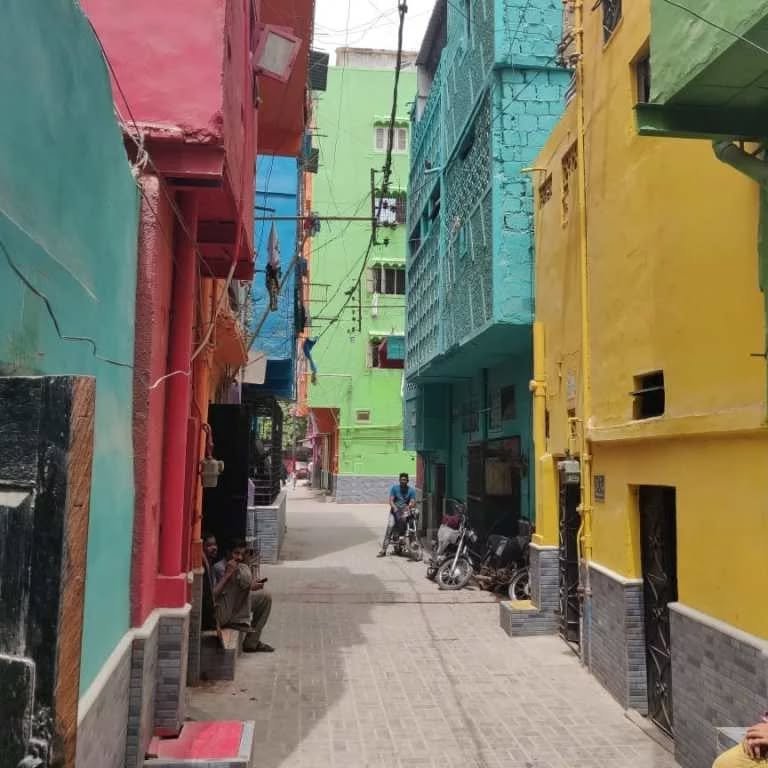
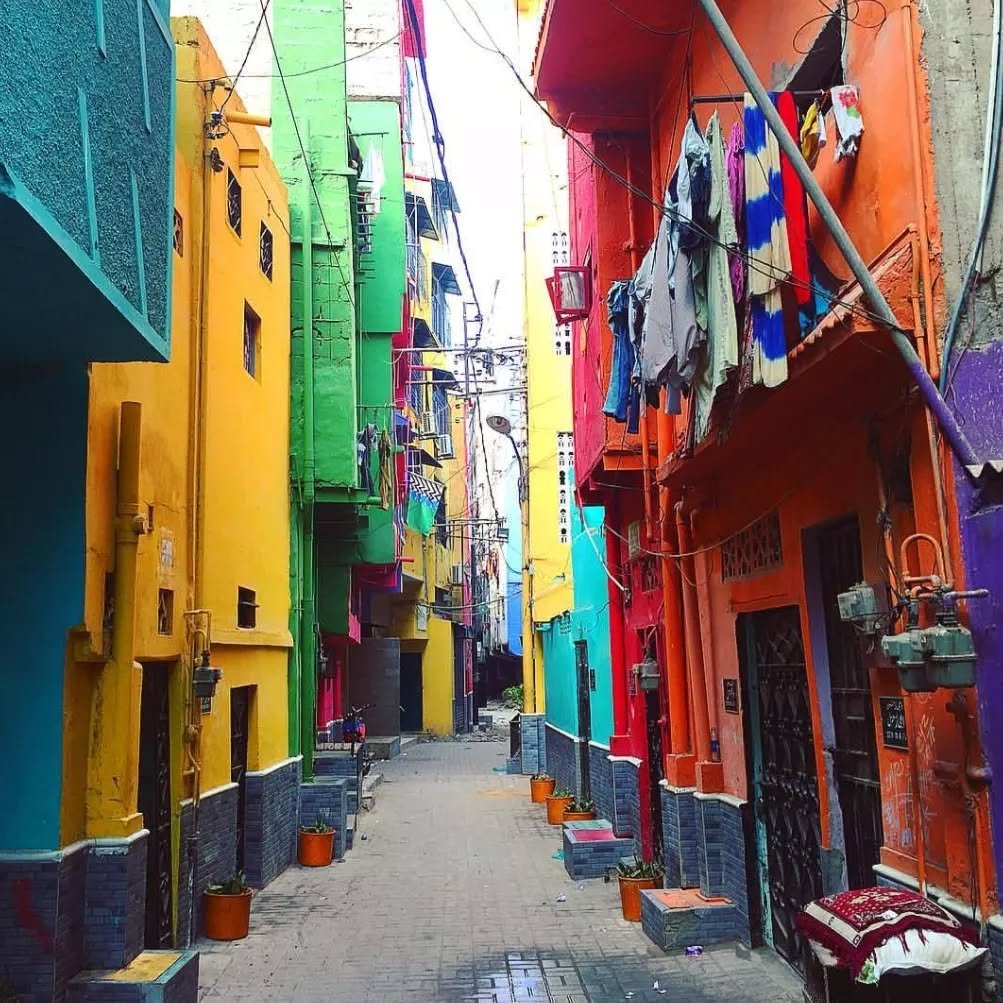
Narrow lanes, colorful houses stacked close together, and a mix of people, mostly Baloch, but also Sindhis, Kutchis, Sheedis (of African descent), and others.
Back in the day, before all the trouble, Lyari was famous for two things: boxing and football.
Yeah, this tiny area produced some of Pakistan’s greatest boxers and football stars.
Kids would play in the streets till late, and the community felt like one big family.
However, underneath that warmth, poverty was always there. Unemployment, poor schools, and no proper jobs made young guys easy targets for anyone offering quick money.
Moreover, that is where the gangs started creeping in. Drugs from Afghanistan, weapons left over from old wars, smuggling routes – Lyari’s location near the port made it perfect for all that.
What started as a small-time crime in the 1970s and 80s exploded into full-blown gang warfare in the 2000s.
The Early Days: How It All Began
To understand the Lyari gang war, we have to go back to the godfathers. In the 1960s and 70s, a guy named Dadal (or Dad Mohammad) and his brothers were among the first big names in organized crime here.
They dealt in hashish and protection rackets.
Then came Haji Lalu, a tough Kutchi-Baloch don who rose to the top.
Haji Lalu took a young kid named Sardar Abdul Rehman under his wing – a street-smart boy who would later become known as Rehman Dakait (Rehman the Bandit).
Rehman was sharp.
He started as a small-time crook but quickly learned the game.
For a while, he worked loyally for Haji Lalu. However, greed is a powerful thing.
Around the late 1990s, they fell out over ransom money from a kidnapping.
Rehman broke away and formed his own gang. That is when the real fireworks started.
Haji Lalu’s son, Arshad Pappu, took over his father’s side.
Arshad was known for being ruthless, showing no mercy, and offering no second chances.
The two gangs, Rehman Dakait’s Baloch crew and Arshad Pappu’s group, began a bloody feud that would last over a decade.
The Spark That Lit The Fire: 2003 Murder
The real turning point came in 2003.
Arshad Pappu kidnapped and killed a local transporter named Faiz Muhammad Baloch (nicknamed Mama Faizu).
Why? Money, territory, who knows exactly – but it was brutal.
Faizu’s body was mutilated and dumped.
Faizu had a young son named Uzair Jan Baloch.
Uzair was just a regular guy back then, helping with his dad’s transport business.
However, losing his father like that changed everything.
Uzair swore revenge.
He joined his cousin Rehman Dakait’s gang, and from that moment, the war became personal.
Interesting Trivia: Lyari has produced more international boxers than any other single neighborhood in Pakistan. Legends like Hussain Shah (Olympic bronze medalist) came from these same streets that later ran red with blood. It is heartbreaking to think about – talent wasted because of violence.
Rise Of Rehman Dakait: The King Of Lyari (2003-2009)
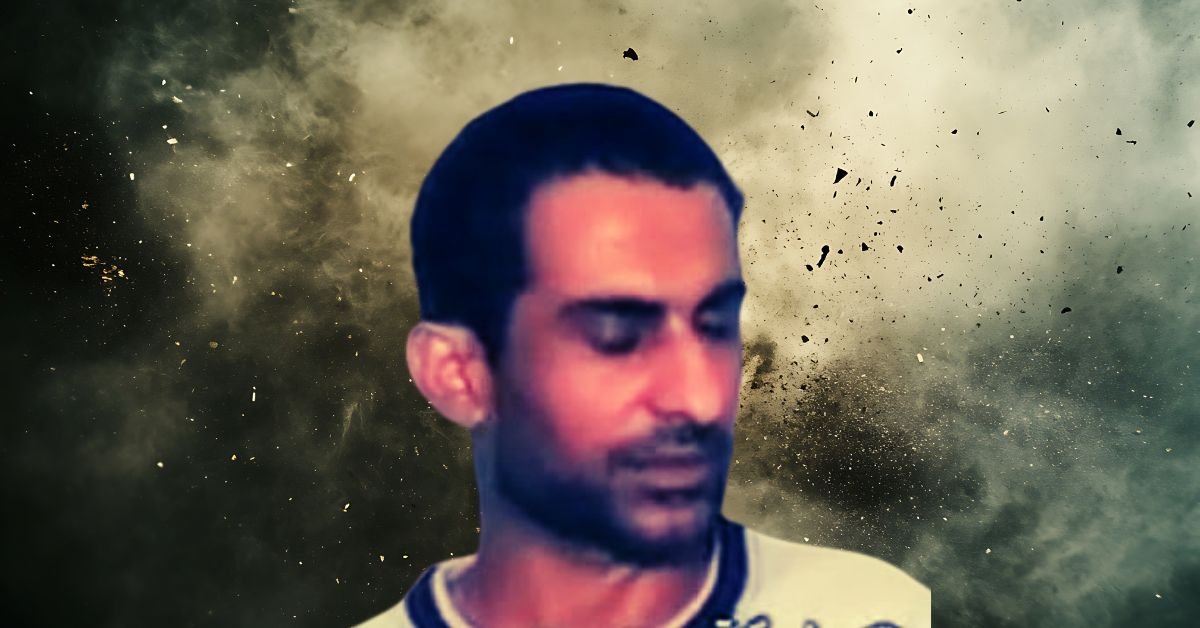
With Uzair by his side, Rehman Dakait became unstoppable.
He was not just a gangster; he was smart about politics, too.
Lyari has always been a stronghold for the Pakistan Peoples Party (PPP).
Rehman built ties with PPP leaders, providing muscle during elections in exchange for protection.
In 2008, they even formed the People’s Aman Committee (PAC) – on paper, a “peace group” to help the community with welfare.
In reality, it was Rehman’s gang with a fancy name.
Under Rehman, the PAC controlled almost all of Lyari.
They ran drug dens, extortion rackets, kidnapping, illegal gambling – anything that made money.
However, they also handed out rations, fixed water problems, and even ran makeshift courts.
To many poor residents, Rehman was a Robin Hood figure: taking from the rich, giving to the needy.
The war with Arshad Pappu raged on.
Streets turned into battle zones.
Rocket launchers, grenades, AK-47s, it sounded like a war movie. Hundreds died. Schools closed for months.
Kids could not play outside.
Women could not go to market without fear.
Then, in August 2009, everything changed.
Famous police officer Chaudhry Aslam led a raid.
Rehman Dakait and several aides were killed in what police called an “encounter.”
Many in Lyari believe it was an extrajudicial killing, but officially, the king was dead.
Uzair Baloch Takes The Throne: The Most Brutal Era (2009-2013)
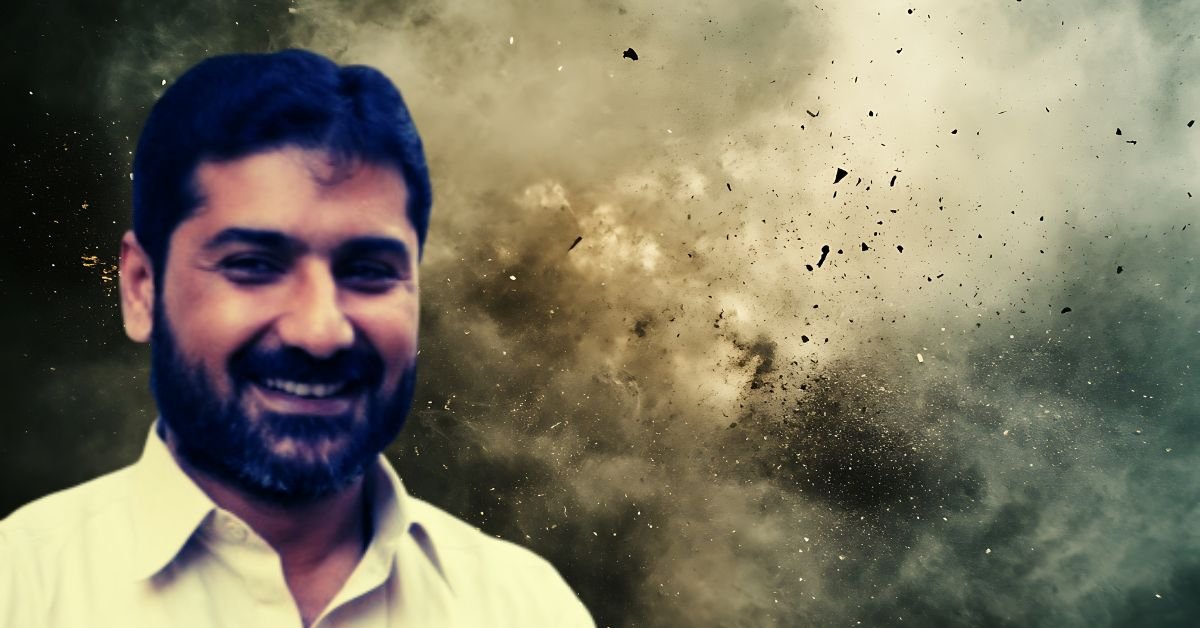
Uzair Baloch, Rehman’s cousin and protégé, stepped up.
If Rehman was clever, Uzair was savage.
He wore the traditional Sindhi cap, smiled for the cameras, but behind that was pure vengeance.
Uzair’s first big move? Finish Arshad Pappu once and for all.
In March 2013, Uzair’s men kidnapped Arshad Pappu, his brother Yasir Arafat, and a friend.
What happened next is the stuff of horror stories.
They were tortured for days, beheaded, bodies paraded naked on a donkey cart through Lyari streets, hacked to pieces, burned, and ashes dumped in a sewer.
Worst part?
Uzair and his lieutenant, Baba Ladla, reportedly played football with the severed heads.
A video leaked online – I will not describe more, but it shocked the whole country.
With Pappu gone, Uzair ruled supreme.
The PAC became bolder, extorting businesses across Karachi, even challenging the powerful MQM party in other areas.
Uzair built a mansion with a swimming pool, owned properties in Dubai and Oman.
He was untouchable, or so he thought.
But cracks appeared.
Baba Ladla, once Uzair’s right-hand man, fell out over money and power.
In 2013, after a bomb blast at a football match killed several people, Baba blamed Uzair.
Baba joined forces with old enemies like Ghaffar Zikri (Pappu’s former commander) to fight back.
Lyari split again.
More killings, more fear.
The Rangers Step In: Turning The Tide (2013 Onwards)
By 2013, Karachi was bleeding.
Over 2,000 people were killed city-wide in political and gang violence.
The new federal government launched the Karachi Operation, and Rangers (paramilitary forces) took charge.
In Lyari, it was war: house-to-house searches, arrests, encounters.
Uzair fled to Iran, then Dubai. Baba Ladla hid in Balochistan.
Ghaffar Zikri kept popping up for attacks.
One by one, they fell:
- 2016: Uzair Baloch was arrested outside Karachi by the Rangers. He has been in custody ever since, convicted in military courts for various crimes.
- 2017: Baba Ladla was killed in a Rangers shootout in Lyari.
- 2018: Ghaffar Zikri, the last big name, was killed in a police encounter along with his young son (who he was allegedly using as a shield – tragic all around).
Smaller players like Wasiullah Lakho or Zahid Ladla (Baba’s brother) tried to keep things going, but the backbone was broken.
Life For Ordinary People: The Real Victims
Let me pause the gangster drama for a minute.
Who suffered most?
The residents.
Imagine living in a place where you cannot send kids to school because of gunfire.
Where electricity and water vanish for days during “operations.”
Where a stray bullet can kill your child playing on the roof.
During peak war years (2008-2014):
- Over 1,500 people have been killed just in Lyari gang fights.
- Thousands displaced – families packing bags overnight, moving to safer (but expensive) parts of Karachi.
- Businesses shut. Shops paid “bhatta” (protection money) to multiple gangs or got burned.
- Drug addiction skyrocketed. Heroin flooded streets; young boys were hooked before 15.
- Women and girls are confined to homes. Many stopped their education.
- Mental trauma – PTSD, depression, a whole generation scarred.
One resident told a reporter: “We did not choose sides. We just wanted to live.”
However, gangs forced loyalty; if your lane supported Uzair, Baba Ladla’s men might grenade it.
Neutral? Both sides are suspicious.
Even police operations hurt innocents.
In 2012, the Lyari Operation, police shelled areas, and dozens of civilians died.
Key Players
Sometimes it is hard to keep track, so here is a simple table:
| Name | Nickname | Affiliation | Peak | Fate |
|---|---|---|---|---|
| Haji Lalu | – | Original Don (Kutchi) | 1980s-2000s | Arrested, died in jail |
| Rehman Baloch | Rehman Dakait | PAC Founder | 2003-2009 | Killed in a police encounter in 2009 |
| Arshad Pappu | Pappu | Rival to Rehman/Uzair | 2000s-2013 | Brutally killed by Uzair’s men |
| Uzair Jan Baloch | Uzair Baloch | PAC Leader | 2009-2016 | Arrested, imprisoned |
| Noor Muhammad | Baba Ladla | Uzair ally then a rival | 2010s-2017 | Killed by Rangers 2017 |
| Ghaffar Zikri | Saeen | Pappu group, then independent | 2000s-2018 | Killed in an encounter in 2018 |
Lyari Today In 2025: Is Peace Real?

Good news first: Lyari is way calmer now, no daily gunfire. Kids play football again, markets bustle.
The Karachi Operation (still ongoing in parts) crushed the big gangs.
Rangers and police patrols keep small crime down.
But challenges remain:
- Some old gang members still operate quietly, with extortion and drugs.
- Poverty has not gone away. Unemployment is high, so there is a risk of new gangs.
- Trust in the police is low after years of corruption allegations.
Positive steps:
- The government built parks, schools, and football grounds.
- Local NGOs running youth programs and boxing academies.
- 2018 elections: Lyari voted for PTI (Imran Khan’s party) for the first time in decades – a sign that people are tired of old politics.
Residents say: “We breathe easier, but we remember.”
Why Did This Story Matter – Even In India
Sitting here in India, why care about Lyari? Because it is a warning.
Mix poverty, weak law enforcement, political meddling in crime, and easy weapons – any city can slide into chaos.
We have seen hints in Mumbai’s past underworld days.
However, it also shows hope: strong action, community resilience, investment in youth – peace can return.
Interesting fact to leave you with: Despite everything, Lyari still holds the record for the most football clubs per square kilometer in Pakistan.
In 2024, a Lyari team won the national youth championship.
Proof that good can rise from bad.
Friends, that is the full story of the Lyari gang war – raw, real, and finally finding some calm.
If you lived through tough times in your neighborhood or just love true stories, drop a comment below.
What part shocked you most?
For more real-life stories, history pieces, and thoughtful reads, stick around THOUSIF Inc. – INDIA blog.
We have got plenty more coming.
Stay safe, stay curious!
Frequently Asked Questions (FAQS)
1. Is Lyari Safe To Visit In 2025 After The Lyari Gang War?
Yes, Lyari, Karachi, is much safer in 2025 than it was during the peak Lyari gang war years. No daily shootouts happen now, but it is still a crowded, low-income area, so normal big-city precautions are advised.
2. Where Is Uzair Baloch Now In 2025? Is Uzair Baloch Still In Jail?
As of November 2025, Uzair Baloch remains in prison serving multiple life sentences given by military courts for crimes committed during the Lyari gang war.
3. What Happened To The People’s Aman Committee (PAC) After The Lyari Gang War?
The People’s Aman Committee (PAC), which was basically Uzair Baloch and Rehman Dakait’s gang with a political cover, was officially banned in 2011 and completely dismantled after the 2016 arrests.
4. Why Did Politicians Protect Lyari Gangsters Like Uzair Baloch And Rehman Dakait?
Lyari has a huge vote bank. Gang leaders like Rehman Dakait and Uzair Baloch provided muscle and voter turnout for the Pakistan Peoples Party (PPP) and other parties during elections in exchange for protection.
5. Who Was The Most Dangerous Gangster In The Lyari Gang War?
Most people and police officers say Uzair Baloch was the most feared and brutal leader during the Lyari gang war, especially between 2009 and 2014.
6. Are There Still Active Gangs In Lyari Karachi In 2025?
The big organized gangs of the Lyari gang war era are finished. Only small-time criminals remain; crime is now at normal Karachi levels, not gang-war levels.
7. Why Is Lyari Called The “Mother Of Karachi”?
Lyari is one of the oldest neighborhoods in Karachi and gave the city many of its early footballers, boxers, and workers, which is why locals proudly call it the Mother of Karachi.
8. Did Baba Ladla And Uzair Baloch Really Play Football With Arshad Pappu’s Head?
Yes, in March 2013, after killing Arshad Pappu and his brother Yasir Arafat, Uzair Baloch and Baba Ladla’s men paraded and played football with the severed heads, one of the most horrific incidents of the entire Lyari gang war.
9. How Many People Died In The Lyari Gang War?
Between 2000 and 2018, more than 1,800–2,000 people were killed directly because of Lyari gang war violence, with thousands more injured or displaced.
10. Who Killed Rehman Dakait?
Rehman Dakait was killed in a police encounter led by SSP Chaudhry Aslam on August 9, 2009, in Karachi.
11. Who Killed Arshad Pappu?
Arshad Pappu was kidnapped, tortured, and brutally murdered by Uzair Baloch’s gang in March 2013 as revenge for earlier killings during the Lyari gang war.
12. What Is The Current Situation In Lyari 2025 After The Karachi Operation?
Thanks to the ongoing Rangers-led Karachi Operation since 2013, Lyari is largely peaceful in 2025. Football grounds are full again, schools are open, and major gang leaders like Uzair Baloch, Baba Ladla, and Ghaffar Zikri are either jailed or dead.
13. Why Did The Lyari Gang War Start?
The modern Lyari gang war started in the early 2000s when Rehman Dakait broke away from Haji Lalu’s gang, and later exploded after Arshad Pappu murdered Uzair Baloch’s father in 2003.
14. Is Drug Addiction Still A Big Problem In Lyari After The Gang War?
Yes, heroin and crystal meth (“ice”) addiction remains one of the biggest social issues in Lyari even in 2025 because of the damage done during the gang-war years.
15. Can I Visit Lyari To See The Famous Football And Boxing Culture?
Absolutely! Many football and boxing academies are active again in 2025. Just go during daylight hours and, if possible, with a local guide or friend.
Craving More Action? Dive Into Dhurandhar!
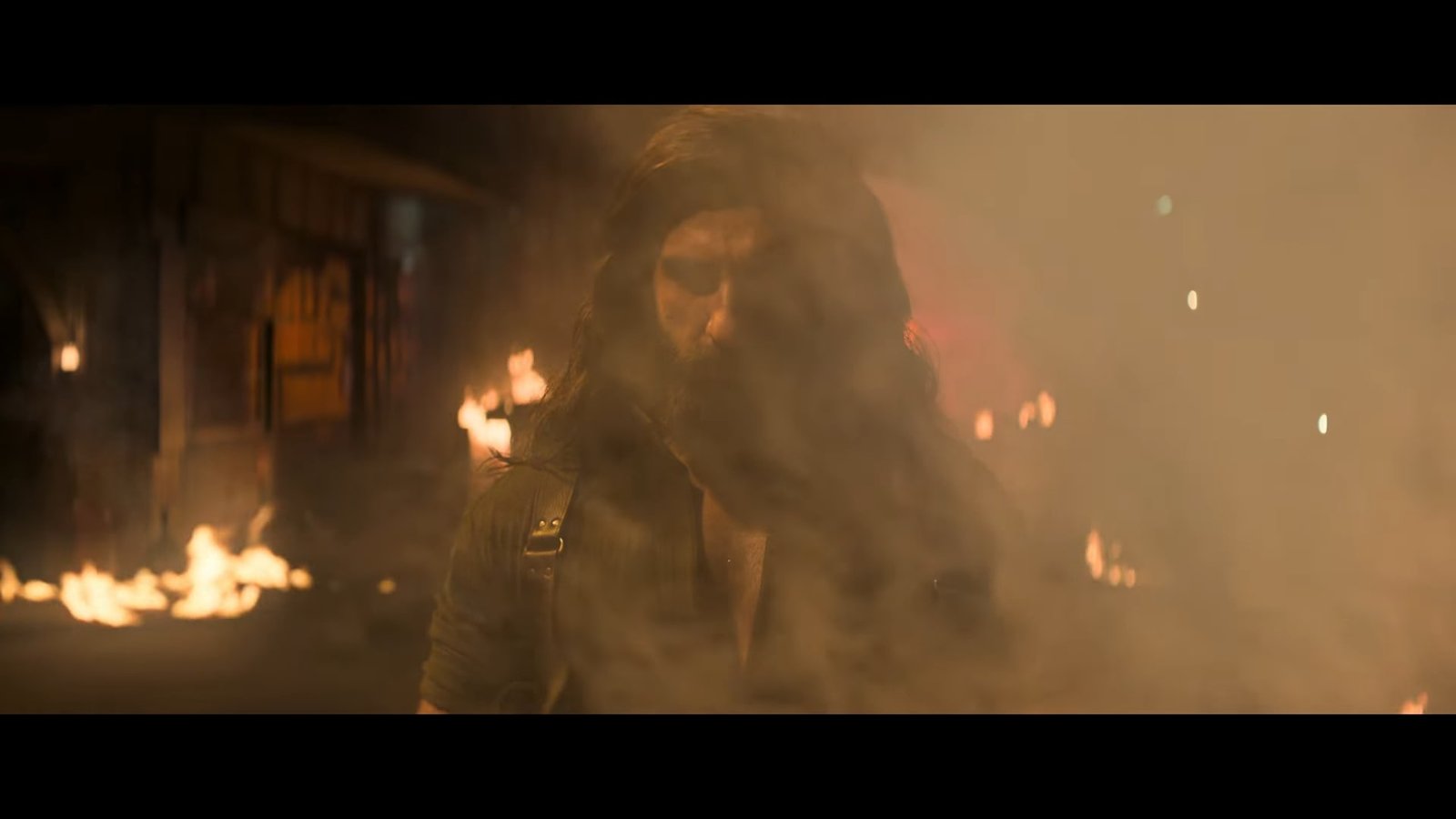
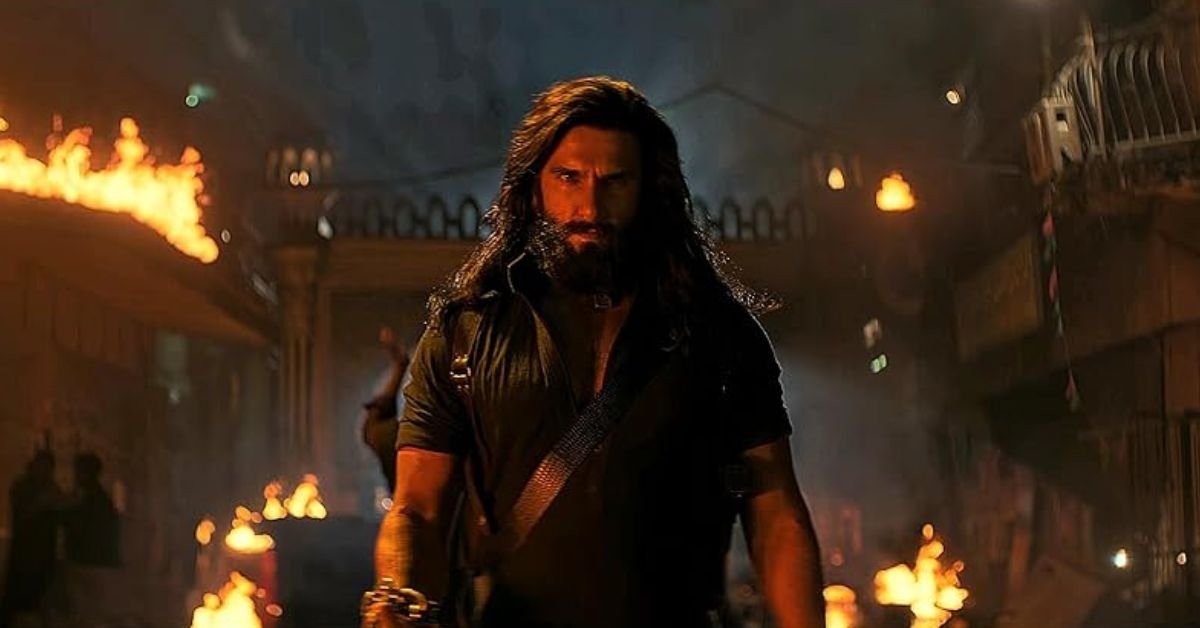
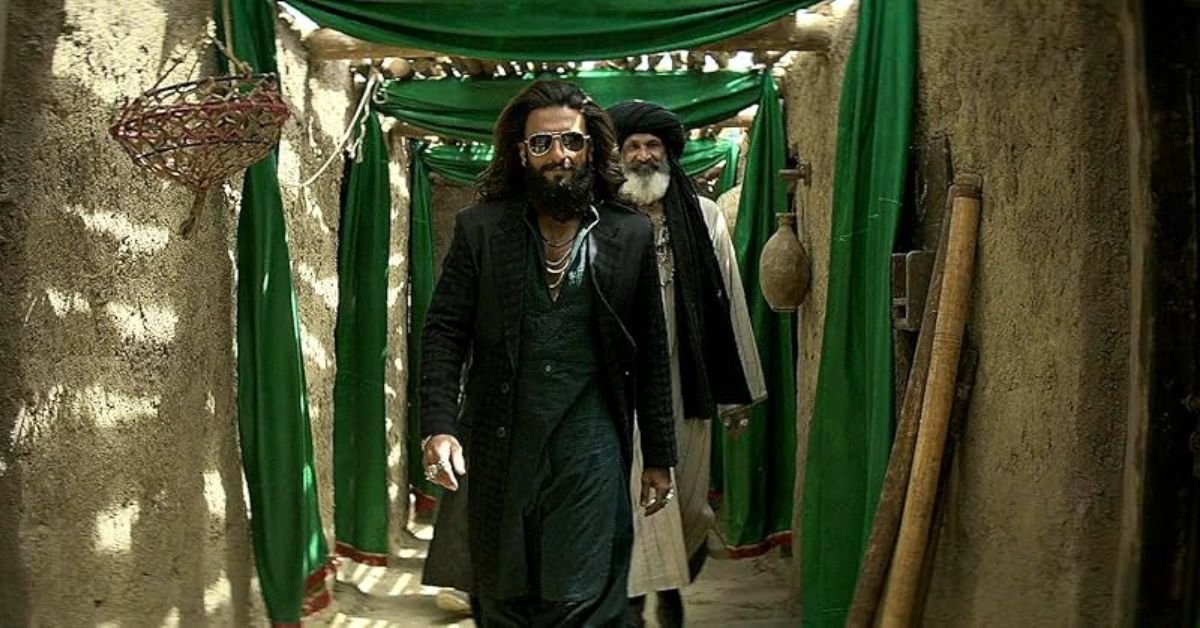
After diving deep into the raw, real-life chaos of the Lyari gang war, if you are craving that same adrenaline rush on the big screen, you have got to check out the upcoming Bollywood thriller Dhurandhar, starring Ranveer Singh, Sanjay Dutt, Akshaye Khanna, R Madhavan, and Arjun Rampal.
The film draws heavy inspiration from the daring real-life operations of India’s legendary spy chief Ajit Doval, packs goosebump-raising, powerful dialogues (the trailer lines are straight fire), features the soul-stirring Punjabi track “Na Dil De Pardesi Nu (Jogi)“, and even stars the super-talented Sara Arjun, who went from child prodigy to absolute scene-stealer.
Trust me, once you finish this Lyari story, you will want to binge all things Dhurandhar right away!
About Author