
Table Of Contents
Dhurandhar
(And why the box office is laughing all the way to the bank)
I walked out of the theatre last night after watching Dhurandhar, and the first thing I did was open Twitter (now X) to see the reactions.
What I found was a war.
On one side: thousands of regular movie-goers calling it a “beast”, “paisa vasool”, “Ranveer’s career-best”, “Aditya Dhar’s masterpiece after Uri”.
On the other side: a bunch of English-language film critics and “intellectual” portals giving it 2.5–3 stars, at best, 3.5 stars, calling it “jingoistic”, “overlong”, “propaganda”, “indulgent”.
The film has already done ₹27 crore net on Day 1 (second-biggest opener of 2025).
IMDb boasts a rating of 7.8/10 from real users.
BookMyShow rating is 9.1/10.
However, a section of the media is behaving as if the sky has fallen.
So what is really happening here?
1. The Film Is Too “Mass” For The Elite Critics
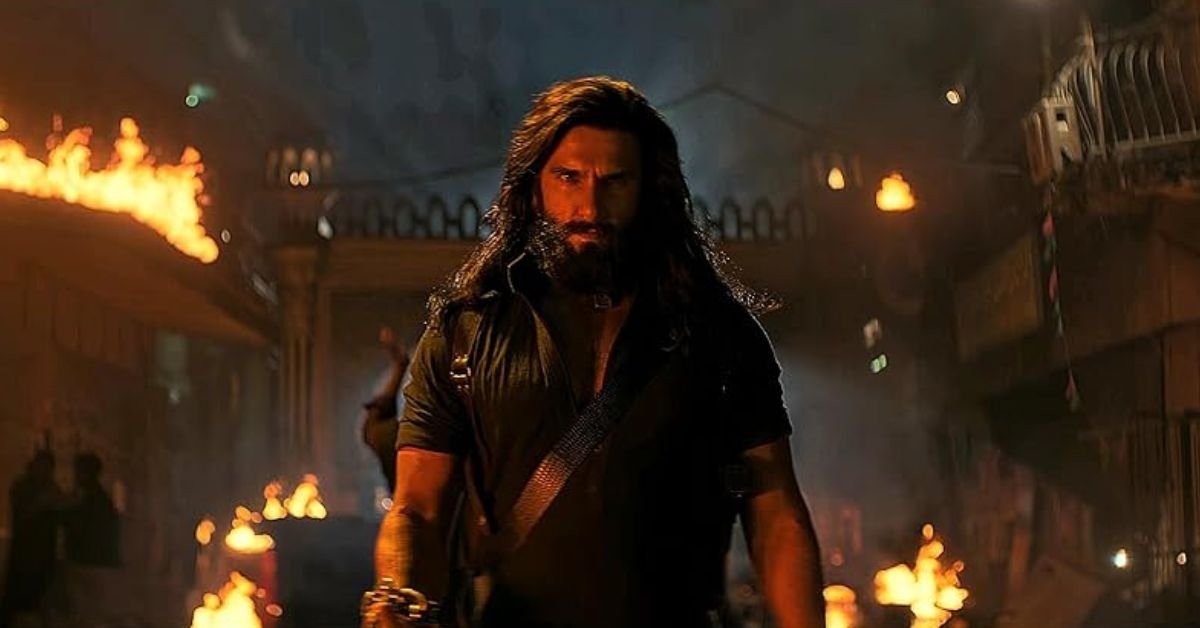
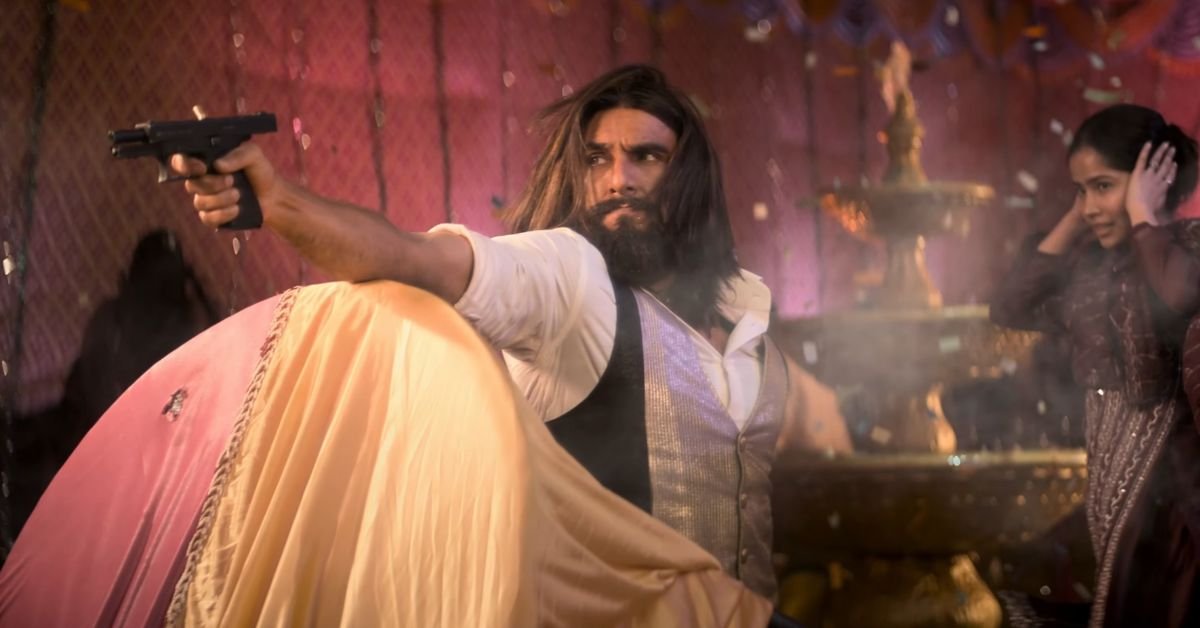
Dhurandhar is unapologetically loud, patriotic, violent, and proud of it.
It has slow-motion entries, chest-thumping dialogues, a hero who growls “Ghar mein ghus ke maarega”, and a villainous ISI that gets absolutely demolished.
In short, it is everything that today’s urban English critic loves to hate.
When Uri was released in 2019, the same circle referred to it as “chest-thumping propaganda.”
Uri ended at ₹244 crore domestically.
The pattern is repeating, only this time the budget is bigger, the scale is crazier, and Ranveer Singh is in beast mode.
2. The 214-Minute Runtime Became An Easy Target
Yes, the film is 3 hours and 34 minutes long.
Yes, the first half has multiple tracks running in parallel.
However, once the interval block hits (that IC-814 hijacking sequence), the film never looks back.
Critics wrote paragraphs about “pacing issues”.
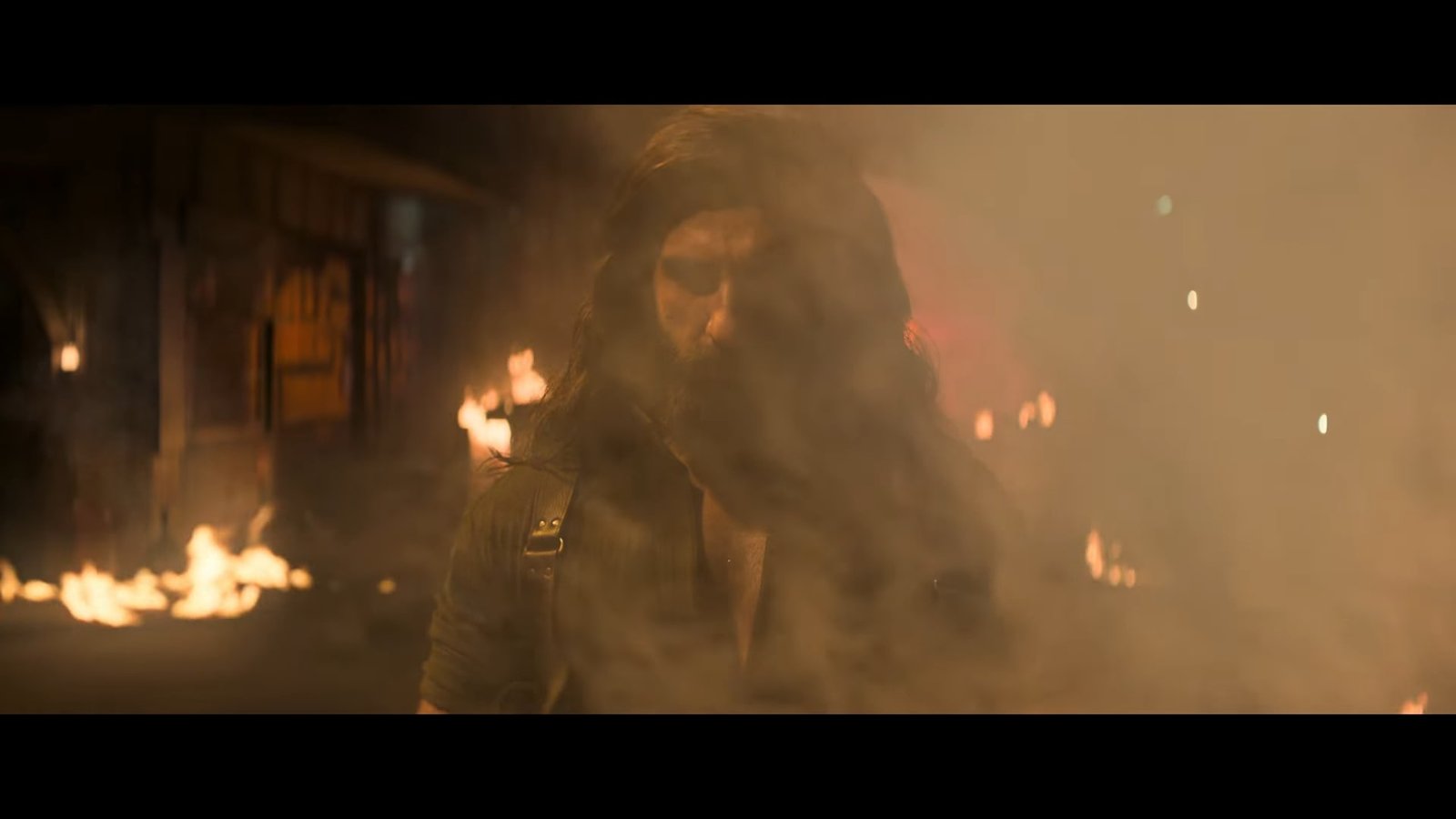
Audiences are posting videos of theatres erupting in whistles during the Libya rescue, the 26/11 retaliation, and the final 30-minute showdown in Lyari.
When the audience is standing up and clapping, “pacing issue” starts sounding like a first-world problem.
3. Pre-Release Negativity Campaign Worked, Until It Didn’t
Remember the cancelled press show “due to a technical glitch”? Within hours, half the internet was screaming “makers are scared”, “film is a disaster”, “boycott”.
Then came the paid PR controversy, the Kantara mimicry backlash, the “inspired by Major Mohit Sharma” lawsuit rumours – everything was thrown at the film.
The makers stayed quiet, dropped a killer trailer two weeks ago, and let the content speak for itself on Friday.
Result? Housefull boards everywhere, even on a working day.
4. The Jingoism Debate Is A Red Herring
Every second review mentions “hyper-nationalism” and “anti-Pakistan propaganda”.
Let us be honest: the film shows Pakistani terrorists and gangsters committing horrific crimes, and the Indian agency hitting back hard.
If that hurts someone’s sentiment, the problem is not the film.
The same critics had no issue with Hollywood’s Zero Dark Thirty or Homeland.
Suddenly, when an Indian film does it, it becomes “toxic patriotism”.
5. The Real Verdict Is At The Ticket Window
Day 1 – ₹27 cr net (Hindi + South dubbed versions) Day 2 (Saturday) trends – Booking higher than Day 1 Gujarat, Rajasthan, CP Berar, CI – Housefull in mass belts Even in multiplexes of Mumbai & Delhi, occupancy is 70–80% for evening & night shows.
When was the last time a 3.5-hour R-rated violent spy thriller opened like this in December?
Final Thoughts
Indian media (especially the English film-reviewing clique) has a long history of disconnect with mass audiences.
They trashed Animal (₹917 cr worldwide), pushed “Pathaan is propaganda” (₹1050 cr), and called Uri jingoistic (₹359 cr worldwide).
The list is endless.
Dhurandhar is the latest victim of this disconnect.
The film is raw, relentless, and refuses to apologize for its love of its country.
Moreover, the audience is rewarding it with love, money, and repeat viewings.
So if you trust paid critics who watched it on a laptop with a notepad, stay away.
If you trust the guy next to you in the theatre who was screaming “Bharat Mata Ki Jai” during the climax, go book your ticket right now.
The honest review of Dhurandhar is not written in 800-word think pieces.
It is written in the roar of 3000 people inside a single-screen theatre when Ranveer Singh finally confronts Rehman Dakait.
Moreover, that roar is deafening.
Jai Hind.
Moreover, I look forward to seeing you in the theatre (again).
About Author