
Table Of Contents
Hey folks, we enjoy breaking down big political stories that touch everyday lives.
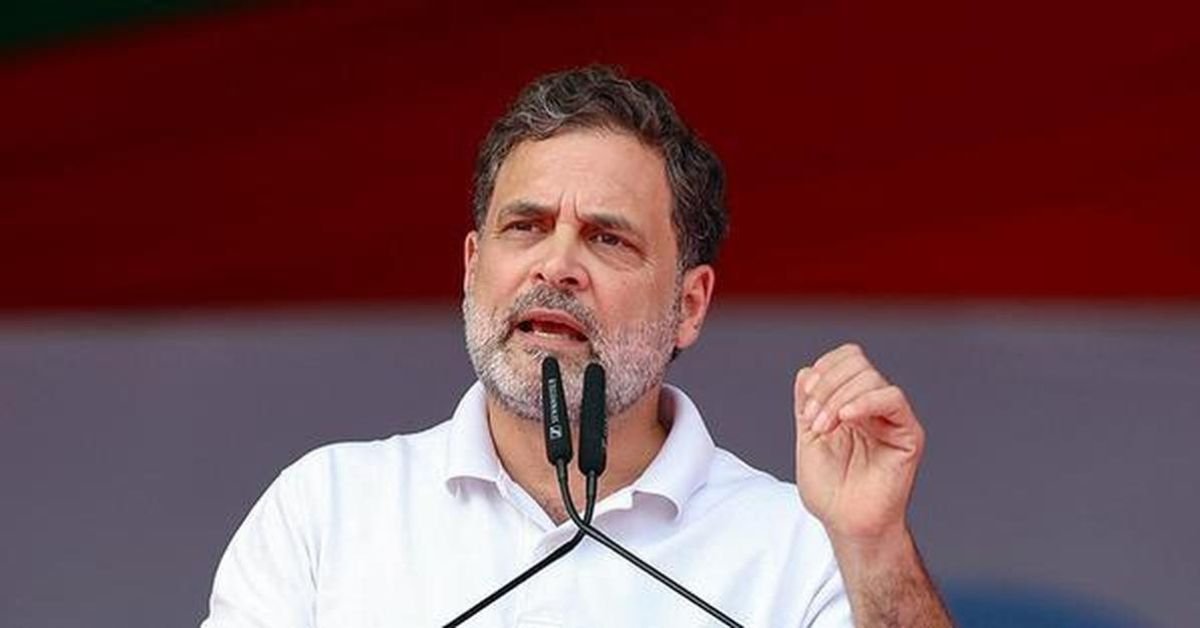
Indian politics has its share of drama, and one speech that’s sparked a lot of talk is Rahul Gandhi‘s address at a rally in Punjab.
As the Leader of the Opposition, he did not mince words, going after Prime Minister Narendra Modi on issues such as border security, economic deals, and alleged foreign pressure.
Imagine a packed rally in Punjab, with folks from all walks cheering on.
Rahul kicks off by tipping his hat to the state’s farmers and workers, crediting them for India’s food security through the Green Revolution.
That era turned Punjab into the nation’s breadbasket, introducing better seeds and farming tech that fed millions.
It is a nod to their hard work, and it leads right into his worries about policies that might undo those gains.
From there, he shifts to a tense border episode with China.
Drawing on former Army Chief General Manoj Mukund Naravane’s memoir, Rahul describes a moment when Chinese forces advanced, and the military sought urgent orders.
Calls went out to top officials, but clear directives were slow in coming.
Eventually, a vague response left decisions hanging.
This story sparked disruptions in Parliament when Rahul raised it, underscoring debates over leadership during crises.
It is a reminder of how national security stories can stir strong feelings.
The Core Issue: Decoding the India-US Trade Deal
The heart of Rahul’s speech? A trade pact between India and the US that he says was rushed under duress.
He claims it stalled over agriculture concerns but got sealed after a quick call from Modi to then-US President Donald Trump.
Trump even shared about the chat publicly, highlighting the speedy turnaround.
Breaking it down: The deal opens Indian markets to US products like soybeans, pulses, cotton, fruits, nuts, and more.
Rahul warns that small-scale Indian farmers with modest landholdings cannot match America’s vast, tech-heavy operations.
This could flood local markets, driving down prices and hurting livelihoods in farming hubs such as Punjab and Haryana.
Farmer groups have voiced similar fears, citing risks to staple crops.
However, it is not just farms.
Rahul spotlights data sharing, calling our digital info the “new oil.” With India’s huge online population, we generate tons of data daily, from messages to searches.
He argues the deal lets US firms access and store this treasure trove tax-free, potentially weakening our tech independence.
In a world where data powers AI and innovation, handing it over might limit India’s global edge.
Add to that pledges for massive annual purchases from the US, which could overwhelm local small- and medium-sized enterprises.
These businesses form the economic base in many regions, creating jobs and driving growth.
On energy, the agreement ties oil purchases to approved sources, possibly raising costs and reducing options.
It is painted as a one-sided bargain, with India giving much and getting little in return.
Digging Deeper: Claims Of External Pressure
Rahul does not just list problems; he explains why they happened.
He points to US leverage through high-profile cases.
One involves unsealed files from Jeffrey Epstein’s scandal, naming Indian figures and hinting at broader implications.
The other? Legal troubles for Gautam Adani’s group over bribery allegations in the US. Rahul suggests these are tools to pressure Modi, linking Adani to political funding networks.
Trump’s outspoken style adds fuel, with boasts about influencing leaders.
Rahul sees Modi’s muted responses as signs of constraint.
While these are bold accusations, they tap into wider discussions on international politics and transparency.
Supporters of the deal counter that it fosters stronger alliances and trade benefits, but critics like Rahul call it a sellout of key interests.
To help visualize, here is a simple table outlining the potential ripple effects Rahul highlights:
| Area Impacted | Key Concern | Why It Matters |
|---|---|---|
| Farming | The influx of US imports is undercutting local prices. | Threatens rural jobs and food systems built over decades. |
| Digital Data | Sharing India’s vast info reserves with foreign firms. | Risks privacy and stunts homegrown tech advancements. |
| Small Businesses | A flood of US goods from big purchase commitments. | Could shutter local outfits, spiking unemployment. |
| Energy Supplies | Limiting oil sources to US preferences. | Leads to higher costs for fuel and daily essentials. |
| Overall Sovereignty | Bowing to outside influences in deals. | Questions leadership’s focus on national priorities. |
This layout shows how interconnected these issues are, affecting everything from village economies to global standings.
Global Angles And Bigger Picture
Rahul ties it to global rivalries, such as US-China tensions playing out in conflicts elsewhere.
Data becomes a battleground, with India’s stash a prize in the race for tech dominance.
It is a solid angle; experts often compare data to past resources, such as oil, to shape economies.
If we do not guard it, we might miss out on future opportunities.
However, trade deals aim for mutual wins, such as lower tariffs and new markets.
The debate boils down to balance: Are we gaining enough, or sacrificing too much? Rahul urges a close look at leaders’ actions, questioning whether they are serving the people or other interests.
A Cool Trivia Tidbit
Here is something fun: Punjab’s Green Revolution did not just boost India; it influenced farming worldwide, inspiring similar pushes in places like Mexico and the Philippines. However, today, challenges such as water scarcity remind us that innovation must evolve to remain sustainable.
Final Thoughts
Wrapping up, Rahul Gandhi’s speech is a passionate plea to protect India’s core strengths: its people, resources, and independence.
It challenges us to think about policy impacts beyond headlines.
At THOUSIF Inc. – INDIA, we aim to make these topics approachable so you can connect the dots.
Loved this? Check out more on our site for insights into politics, the economy, and more.
Share your thoughts, we are all ears.
Stay informed and engaged!
About Author