
Table Of Contents
Have you ever heard of a place in India that feels like a slice of Iran right in the heart of Karnataka? That is Alipur for you, a small village that’s earned the affectionate nickname “Mini Iran.”
It is not just about the label; it is about a community that’s woven history, faith, and business into something truly unique.
Let us take a stroll through what makes this spot so special, from its roots centuries ago to the buzz it is creating today.
First off, Alipur sits in Chikkaballapur district, about 70 kilometers from Bengaluru.
It is a cozy village with around 20,000 folks, and what is striking is that nearly all of them, 99%, are Shia Muslims.
This is not your typical Indian village setup; it is a tight-knit community where traditions from across the seas feel right at home.
The streets echo with stories of migration, resilience, and global connections.
If you are planning a day trip from the city, it is worth the drive to see how cultures blend in unexpected ways.
A Glimpse Into Alipur’s History
To understand why Alipur is called Mini Iran, we need to rewind the clock.
The village’s story kicks off in the early 1700s, around 1700 AD, when a scholar named Moulana Syed Mustafa Hussain settled here.
He came from Bijapur, which was part of the Adil Shahi Sultanate, a kingdom that championed Shia culture back in the day.
However, things changed when Mughal emperor Aurangzeb took over in 1686, scattering many Shia families.
Hussain and others sought a haven to keep their faith alive, away from the pressures of the time.
They picked this remote, forested spot in what was then called Ballikunte, later renaming it Alipur in honor of Ali ibn Abi Talib, a central figure in Shia Islam.
Over the years, more families joined, building a haven for Shia practices in South India.
It is like they planted a seed from Iran and watched it grow into a full-fledged community.
Today, that heritage shows in everything from architecture to daily life.
For a quick overview of key moments, here is a simple timeline:
| Year/Period | Key Event | Impact On Alipur |
|---|---|---|
| 1686 AD | Mughal conquest of Bijapur | Triggered migration of Shia families to safer areas like Alipur’s founding site. |
| Early 1700s | Settlement by Moulana Syed Mustafa Hussain | Established the village as a Shia enclave, preserving religious traditions. |
| 1970s | Discovery of local rubies and start of gem trade | Transformed economy, connecting villagers to global markets like Dubai and Iran. |
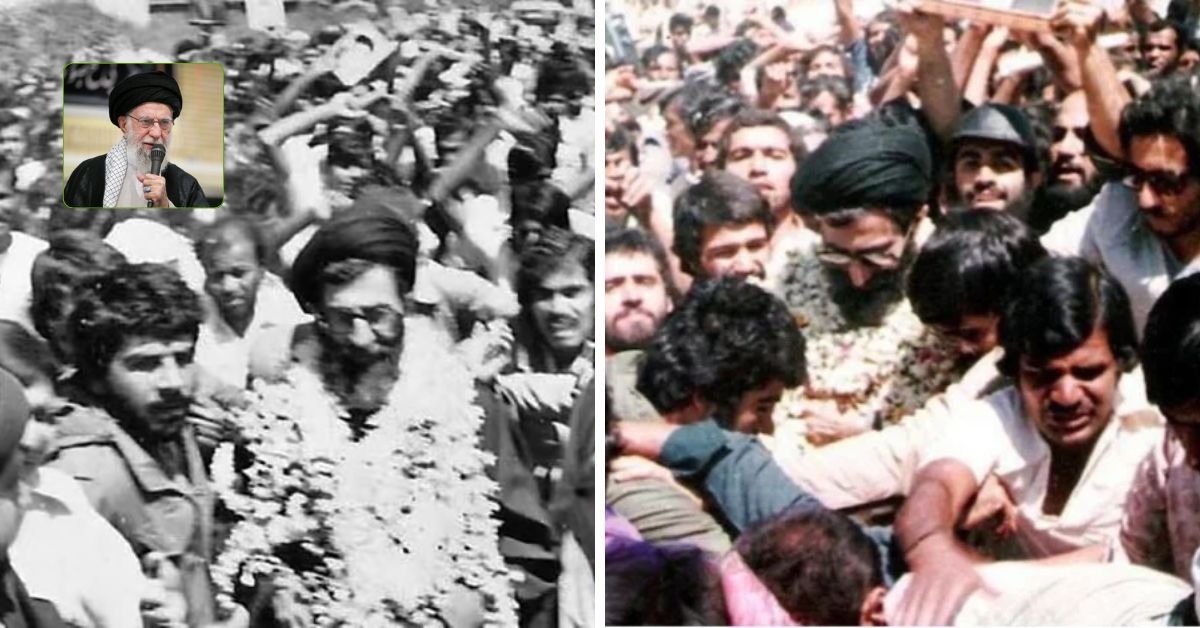
| 1981 | Visit by Ayatollah Ali Khamenei | Strengthened ties; he laid the foundation for Imam Khomeini Hospital. |
| 2023 | Formation of Alipur Gems & Jewellery Traders Association | Formalized the gem business, supporting hundreds of families. |
| 2025-2026 | Israel-Iran conflicts and Khamenei’s death | Heightened community concerns; led to mourning and protests in the village. |
This table scratches the surface, but it shows how Alipur has evolved while staying true to its roots.
Why The “Mini Iran” Nickname Sticks
So, what exactly earns Alipur that “Mini Iran” tag? It is all about the deep connections, spiritual, cultural, and even practical.
Walk down the main road, and you will spot Imam Khomeini Road, named after Iran’s revolutionary leader.
The mosques here have those classic onion-shaped domes you see in Iranian architecture, standing out against the Karnataka landscape.
There is the Anjuman-e-Jafria Trust, which handles community affairs much as similar groups in Iran do, and the Behisht-e-Ali graveyard, a peaceful spot that reflects Shia burial customs.
Education plays a big role, too.
Dozens of young people from Alipur head to Iran for studies, to theological seminaries in Qom or medical degrees in Tehran.
It is common for families to have kids abroad, who learn and bring back knowledge that enriches the village.
Moreover, let us not forget the pilgrimages; many travel to holy sites in Iran, Iraq, and Syria, keeping those religious bonds strong.
On the cultural side, festivals like Muharram are observed with passion.
Processions and mourning rituals are direct echoes of practices in Iran.
The community even follows guidance from Iranian leaders on religious matters, which adds to that “mini” feel.
It is not imitation; it is a genuine extension of Shia identity in a far-off land.
The Sparkling Side: Alipur’s Gem Trade
Alipur is not just about faith; it has a thriving business scene that puts it on the global map.
Back in the 1970s, locals discovered corundum rubies in nearby areas, kicking off a gemstone boom.
What started as small-scale mining turned into a full-blown industry.
Today, villagers trade gems with spots like Bangkok, Dubai, and yes, Iran.
Families run lapidary workshops, cutting and polishing stones that fetch good prices worldwide.
Rubies from here are prized for their color and hardness.
A regular corundum ruby might go for 2,500 to 5,000 rupees per carat, while star rubies start at 5,000 and up.
The Alipur Gems & Jewellery Traders Association, established in 2023, helps organize activities, from quality checks to market access.
It is amazing how this village went from farming to jet-setting business deals without losing its cultural core.
If you are into gems, Alipur could be your next shopping stop; chat with locals for the real deals.
Life In Alipur: Community And Challenges
Day-to-day life here revolves around that strong Shia bond.
The Imam Khomeini Hospital serves the health needs, while schools and trusts handle education and welfare.
It is inclusive too; there is even a village sign language that helps everyone communicate, whether deaf or hearing.
However, it is not all smooth; recent global tensions have hit close to home.
In 2025, during the Israel-Iran flare-ups, over 100 villagers were stranded in Iran for studies or business.
Thanks to India’s Operation Sindhu, they returned safely.
Moreover, just recently, on February 28, 2026, news broke of Ayatollah Ali Khamenei’s death in US-Israel strikes.
The village shut down for three days: shops closed, black flags flew, and peaceful protests filled the streets.
People carried his portraits, sharing stories of his 1981 visit when he mingled with locals and inspired many.
It is a reminder of how world events ripple into small places like this.
Despite the worries, resilience shines through.
Traders adapt to things like shipping delays, and the community pulls together in prayer and support.
It is heartfelt to see how they balance global ties with local life.
A Fun Trivia Tidbit
Did you know that Alipur is one of the few places in India where a foreign leader like Ayatollah Khamenei felt so at home that he laid the foundation for a local hospital during his visit? Back in 1981, his stop here not only boosted the village’s facilities but also created a lasting personal connection; many residents still see him as a mentor figure.
Wrapping this up, Alipur is more than a nickname; it is a living bridge between Karnataka and Iran, blending history, faith, and enterprise in an inspiring way.
If you are curious about cultural gems like this, it might spark a visit or a deeper dive.
At THOUSIF Inc. – INDIA, we love sharing stories that highlight our diverse heritage.
Check out our other articles for more hidden treasures across the country.
What is your take on places like Alipur? Drop a comment if you have been there!
About Author