
Table Of Contents
Indian cinema is changing, and not for the better.
What was once a source of entertainment, songs, and shared dreams is quietly transforming into something far darker.
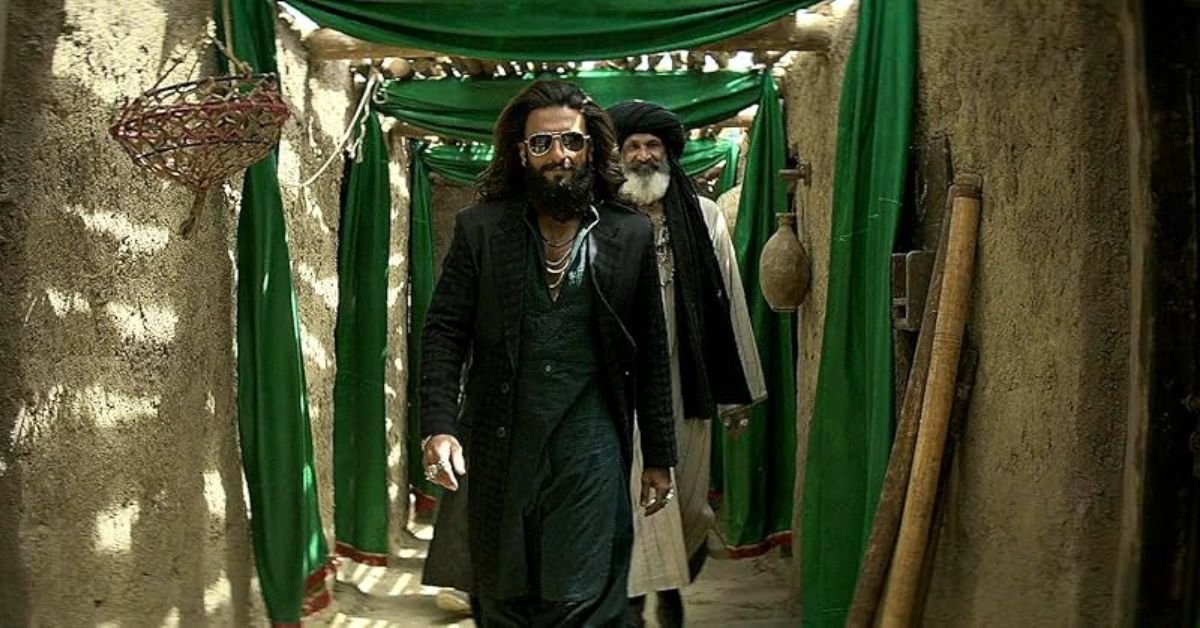
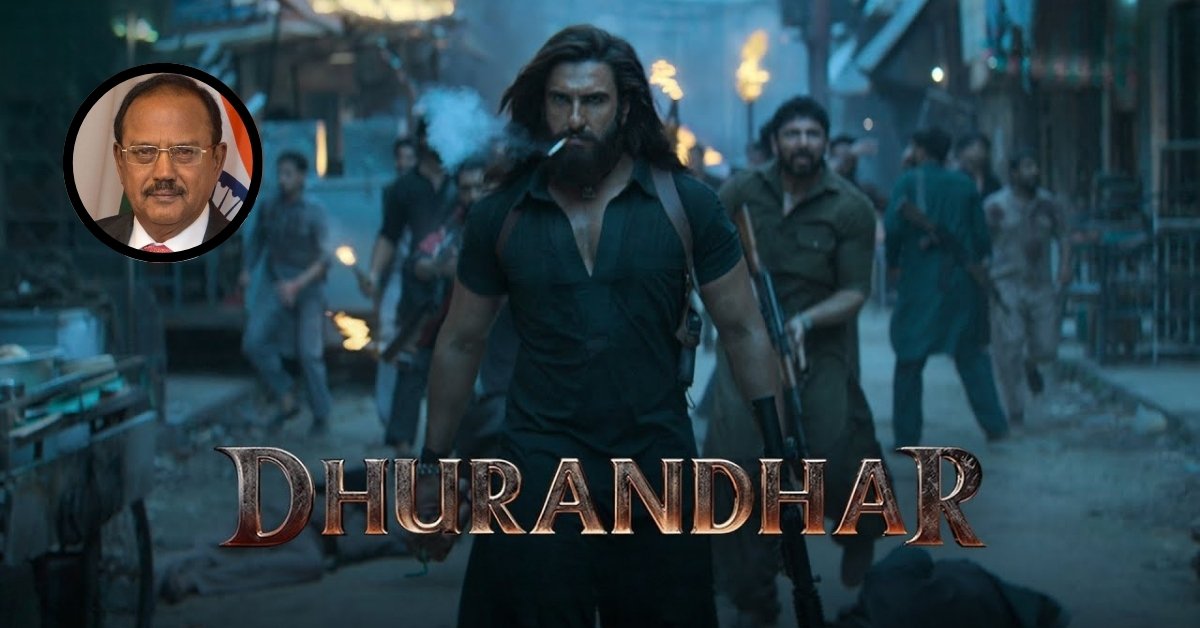
Filmmakers are openly calling it the “birth of a new cinematic order”, a bold new era where hate, extreme violence, and political propaganda are no longer hidden.
They are the main product.
This is not one film or one trend.
It is a complete shift in how Bollywood tells stories.
Entertainment is being replaced by indoctrination, and millions are being fed a steady diet of division disguised as cinema.
What Exactly Is This New Cinematic Order?
At its core, the new order turns cinema into a powerful propaganda tool.
Instead of offering escape or reflection, these films:
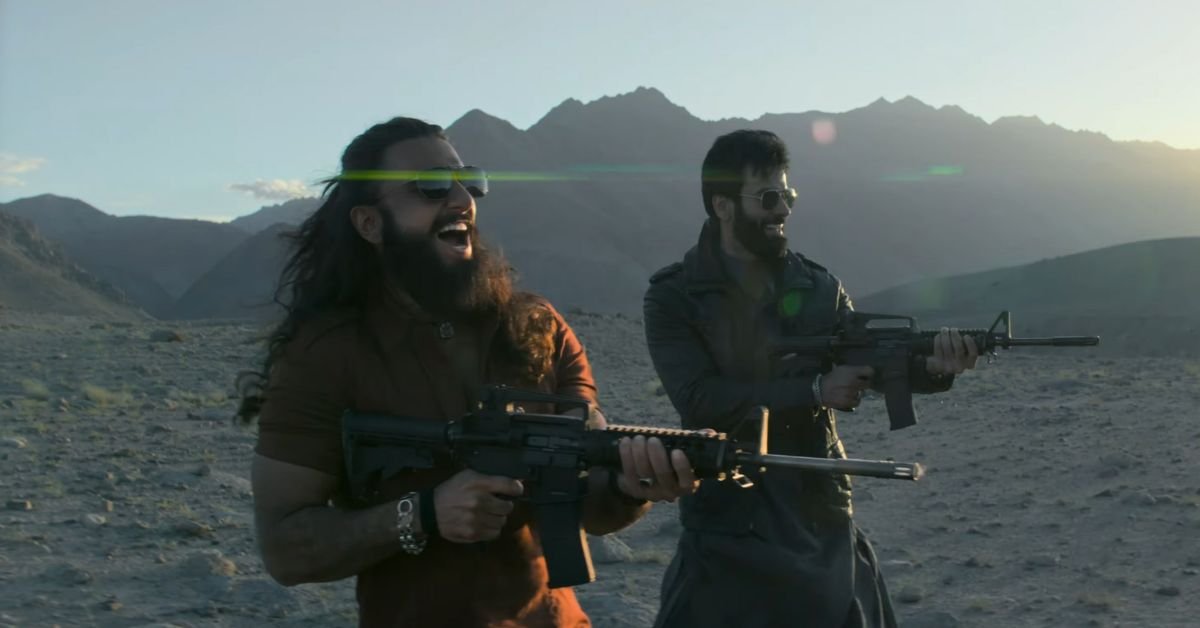
- Glorify brutal violence as heroic entertainment
- Channel public anger toward specific communities
- Promote toxic masculinity and misogyny
- Push clear political messages without apology
The result?
A four-hour experience that feels like a blockbuster but works like brainwashing.
The violence is packaged with glamorous music and visuals.
The hate feels justified.
Moreover, by the end, audiences leave feeling satisfied, without ever questioning the real problems in their lives.
This is the dangerous new formula.
Moreover, it is spreading fast.
Violence Is No Longer Tragedy, It Is Celebration
In this new cinematic world, extreme violence is not shown as a problem. It is celebrated.
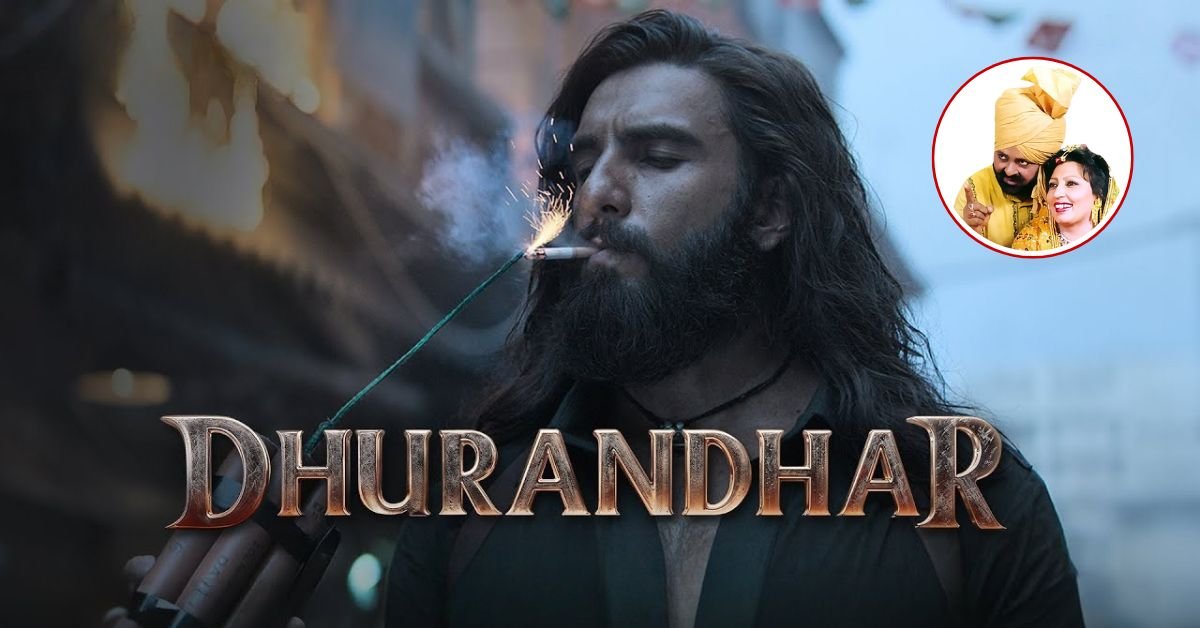
Beheadings, burnings, and mass killings unfold on screen with super-hit songs playing in the background.
Slow-motion shots make brutality look stylish.
The audience cheers.
The message is loud and clear: violence is cool, manly, and necessary.
What used to shock people now entertains them.
This deliberate rise in violence tolerance is one of the most disturbing features of the new order.
It numbs viewers and slowly makes hatred feel normal.
Public Anger Is Being Weaponised
India faces serious real-world problems, such as unemployment, inflation, inequality, poor education, and failures in healthcare.
People are angry and frustrated.
The new cinematic order offers a perfect distraction.
Instead of encouraging viewers to think about solutions or demand change from leaders, these films redirect all that rage toward a manufactured “enemy.”
Watch the violence, feel the catharsis, and go home convinced you have done something.
No need to fix society.
No need to question the system.
Just hate harder.
This anger-diversion tactic is at the heart of the new order, and it is frighteningly effective.
Misogyny And Hate Feed Each Other
Another consistent feature of this new order is the near-total absence of women.
In long films, you may see only one meaningful female character.
The rest is an all-male, hyper-aggressive world.
Dialogues constantly push toxic ideas: “Be a real man. Create chaos. Prove your strength through violence.”
Hate and misogyny work together here.
The films teach viewers to hate the “other” while celebrating aggressive masculinity.
It is a toxic combination designed to shape attitudes at the deepest level.
The Long-Term Danger: Poisoning Future Generations
This is where the new cinematic order becomes truly dangerous.
It is not just affecting adults today.
It is shaping tomorrow’s citizens.
Young people watching these films are learning that hatred is patriotism, violence is justice, and division is normal.
When the most popular medium in India starts raising an entire generation on hate, the damage is not temporary; it is generational.
The films may earn crores at the box office, but society will pay the real price for decades.
The Hidden Cost To Indian Society
The new cinematic order is creating several silent crises:
- Rising social division and communal tension
- Complete desensitisation to real violence
- Distraction from genuine national problems
- Erosion of cinema as a unifying art form
The films wrap themselves in patriotism, yet they weaken the country’s social fabric, which they claim to celebrate.
The Warning We Must Hear
We are watching the birth of something powerful and dangerous.
More films in this exact style are already being made and celebrated by big names in the industry.
The question is simple:
Do we accept a cinema that poisons minds and divides society?
Or do we demand better, stories that entertain without destroying, and inspire without hating?
The new cinematic order has arrived.
Whether it defines India’s future or becomes a dark chapter we moved past depends entirely on us, the audience, the viewers, the citizens.
What do you think?
Have you noticed this shift in recent films?
Share your thoughts in the comments below.
About Author