
Table Of Contents
Blackbuck Deaths At Kittur Rani Chennamma Mini Zoo
As of November 17, 2025, a tragic incident has unfolded at the Kittur Rani Chennamma Mini Zoo in Belagavi (also known as Belgaum), Karnataka, where 31 blackbucks (Antilope cervicapra) have died due to a suspected bacterial infection.
The zoo originally housed 38 blackbucks, leaving only 7 survivors.
The deaths began on November 13, 2025, and escalated rapidly over the following days.
Preliminary investigations point to Hemorrhagic Septicemia, a highly contagious bacterial disease typically affecting cattle and buffaloes, as the primary cause.
Authorities have initiated probes into potential negligence, contamination of food or water, and overall zoo management.
This event marks the first reported case of such a bacterial outbreak in captive animals in Karnataka, raising concerns about wildlife conservation and zoo protocols.
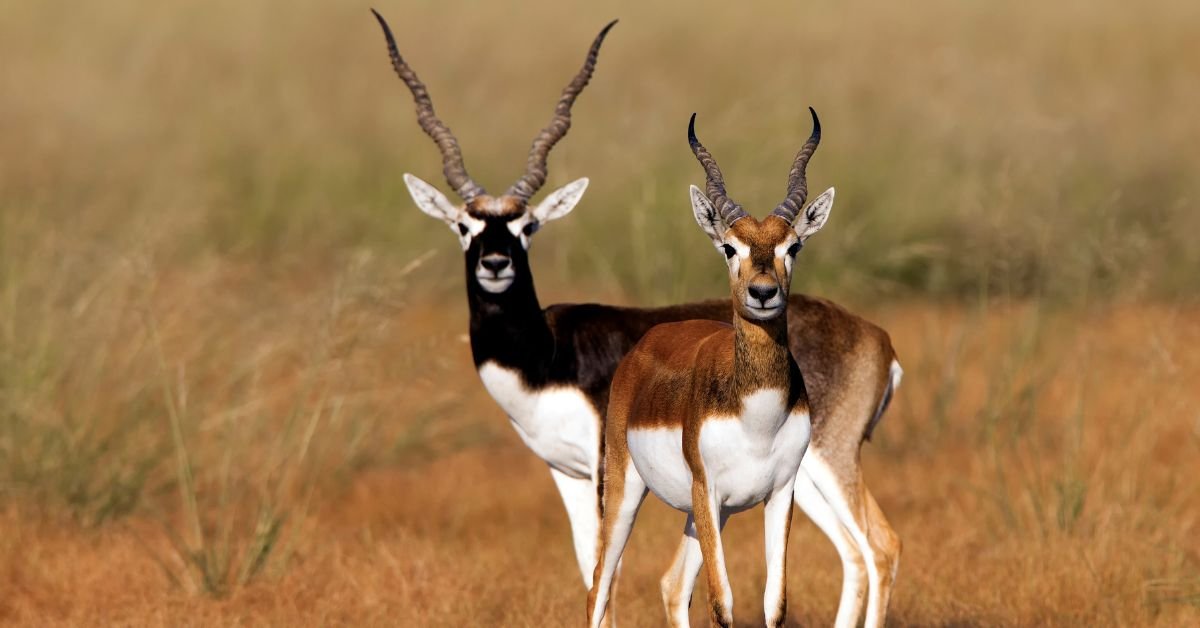
Blackbucks are an endangered species native to India, known for their distinctive spiral horns and agility.
They are protected under Schedule I of the Wildlife Protection Act, 1972, making this loss particularly significant for conservation efforts.
Background On The Zoo and Blackbucks
The Kittur Rani Chennamma Mini Zoo is a small wildlife facility located in the Belagavi district, managed by the Zoo Authority of Karnataka (ZAK).
It houses various animals, including deer species, birds, and reptiles, and serves as an educational and recreational site for locals and tourists.
The blackbuck enclosure was home to 38 individuals prior to the outbreak, consisting of males, females, and possibly juveniles.
Blackbucks are herbivores that thrive in grasslands and are sensitive to environmental changes, stress, and infections.
In captivity, they require proper nutrition, clean water, and hygiene to prevent diseases.
Overcrowding or poor sanitation can exacerbate vulnerability to bacterial outbreaks.
Timeline Of Events
The deaths occurred in a rapid sequence, highlighting the contagious nature of the suspected pathogen.
Below is a chronological breakdown based on available reports:
| Date | Deaths | Total | Details |
|---|---|---|---|
| November 13, 2025 (Thursday) | 8 | 8 | Initial deaths reported in the evening. Veterinary teams were alerted, and samples were collected for post-mortem analysis. |
| November 15, 2025 (Saturday) | 20 | 28 | Sharp increase in fatalities by morning. Zoo authorities intensified monitoring and isolated the remaining animals. |
| November 16, 2025 (Sunday) | 2 (or 1 in some reports) | 30 (or 29) | Additional deaths amid ongoing post-mortems. Public concern grew, with social media posts highlighting the crisis. |
| November 17, 2025 (Monday) | 1 | 31 | The latest death was reported in the morning, pushing the toll to 31. Investigations continue with heightened scrutiny. |
The rapid progression suggests a fast-spreading infection, possibly triggered by environmental factors like contaminated feed or water.
Suspected Cause And Ongoing Investigations
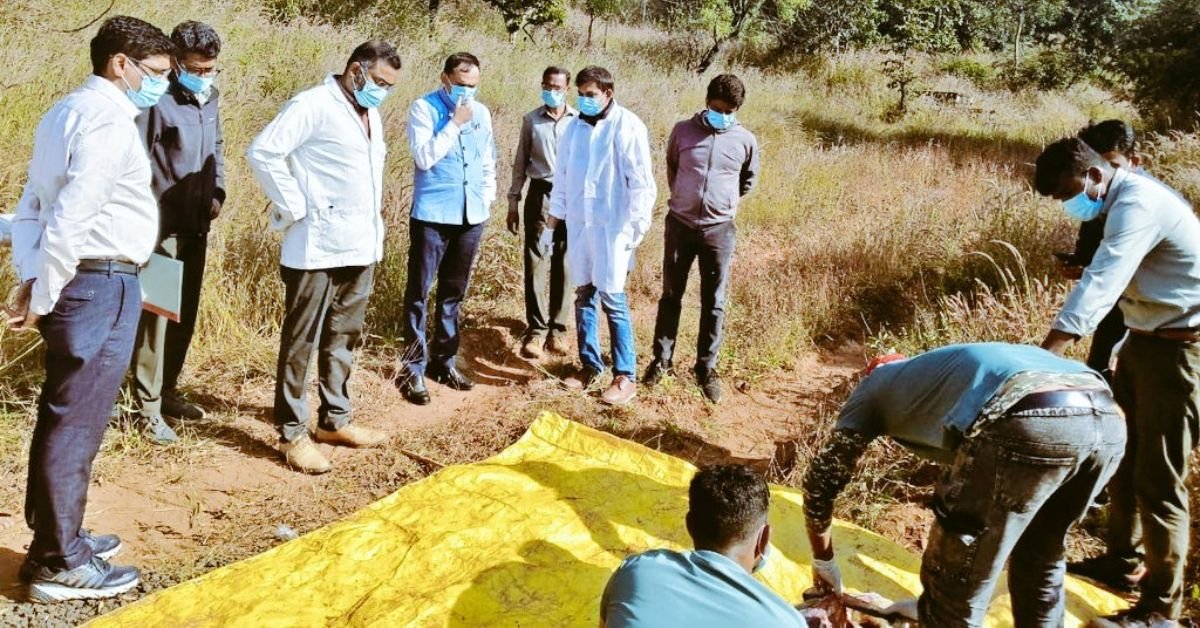
Veterinary experts, including teams from the Veterinary College in Bengaluru and Bannerghatta National Park, have identified Hemorrhagic Septicemia (caused by the bacterium Pasteurella multocida) as the likely culprit.
This disease leads to severe inflammation, fever, and respiratory distress, often fatal in ungulates if not treated promptly.
It is uncommon in captive blackbucks but can spread through contaminated water, feed, or close contact.
- Preliminary Findings: Post-mortems on the first eight blackbucks confirmed bacterial infection. Samples of food, water, and soil from the enclosure are being analyzed for contaminants.
- Negligence Allegations: While staff negligence has been alleged (e.g., poor hygiene or delayed response), experts have preliminarily ruled it out, emphasizing the disease’s contagious nature. However, if confirmed, disciplinary action will follow.
- Expert Involvement: A committee formed by Forest Minister Eshwar Khandre includes veterinarians from state institutes. Full post-mortem reports for the initial deaths are expected by November 18, 2025.
This is the first documented instance of Hemorrhagic Septicemia affecting captive animals in Karnataka, prompting a review of vaccination and hygiene protocols across state zoos.
Response From Authorities And Zoo Management
- Immediate Actions: The remaining seven blackbucks have been quarantined, and the enclosure has been closed to prevent further spread. Enhanced precautions, including disinfection and monitoring, are in place for other animals in the zoo.
- Government Intervention: District in-charge Minister Satish Jarkiholi convened a meeting with Forest Department officials on November 17, ordering a comprehensive probe and protective measures. Forest Minister Eshwar Khandre has sought a detailed report from ZAK Chairman Rangaswamy and established an expert committee.
- ZAK’s Role: Member-Secretary Dr. Sunil Panwar visited the site, overseeing the response and confirming that the Karnataka Government is actively involved.
- Public and Media Response: The incident has sparked outrage on social media, with calls for accountability. Animal welfare groups are monitoring the situation, and the zoo may face temporary closure or restrictions.
Current Status And Implications
As of 3:41 PM IST on November 17, 2025, no further deaths have been reported beyond the morning’s incident, but the situation remains critical.
The surviving blackbucks are under close veterinary observation, with potential relocation or enhanced care being considered.
This tragedy underscores vulnerabilities in captive wildlife management, including the need for regular health screenings, better disease prevention, and infrastructure improvements.
It may lead to policy changes in Karnataka’s zoos, such as mandatory vaccinations for bacterial diseases and stricter hygiene standards.
Conservationists emphasize that blackbucks, already threatened by habitat loss in the wild, face amplified risks in captivity.
Updates are expected as post-mortem results and probe findings emerge.
For the latest developments, monitoring official statements from the Karnataka Forest Department is recommended.
About Author