
Table Of Contents
Dhurandhar: Karachi’s Lyari Gang Wars
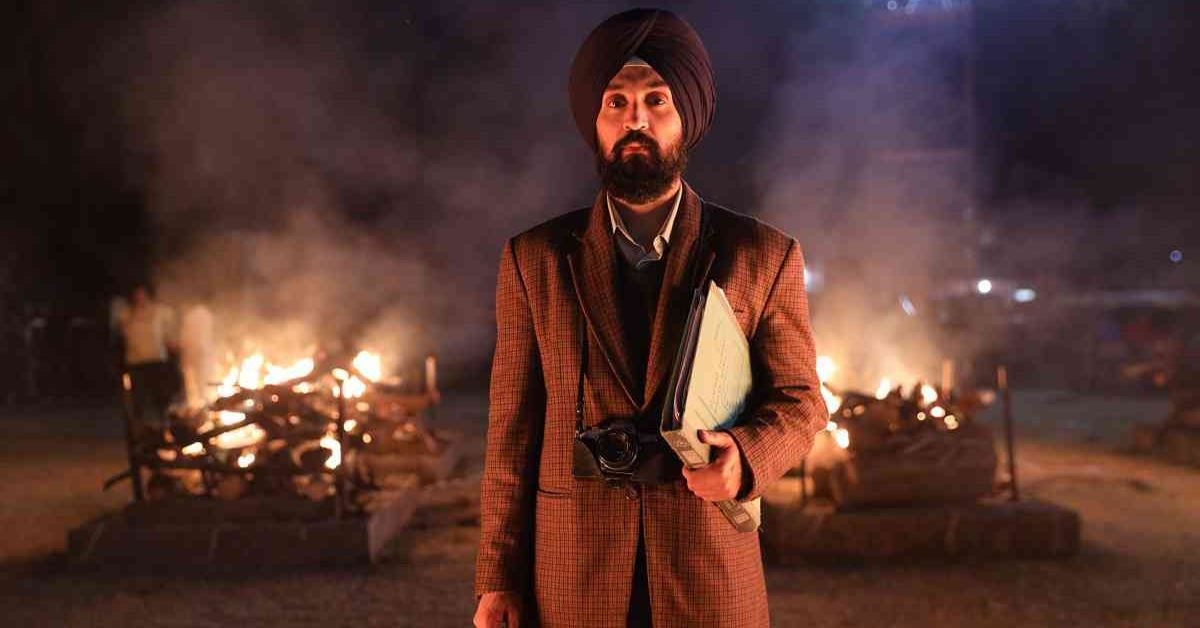
When Dhurandhar hit theaters on November 28, 2025, it did not just release a movie; it detonated a social media storm.
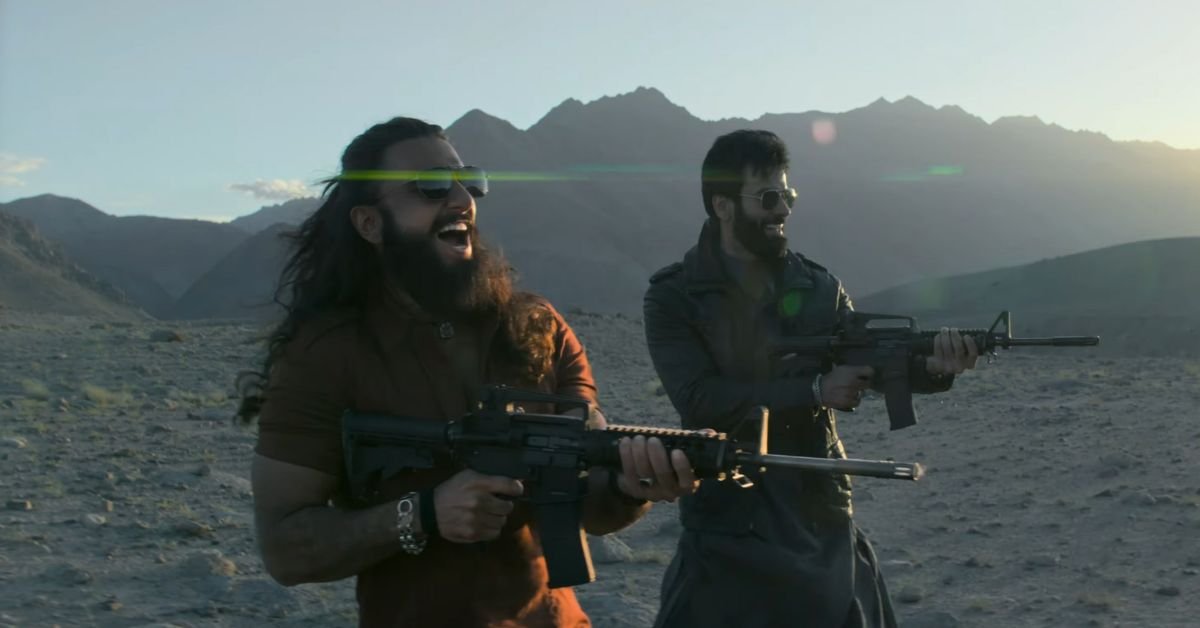
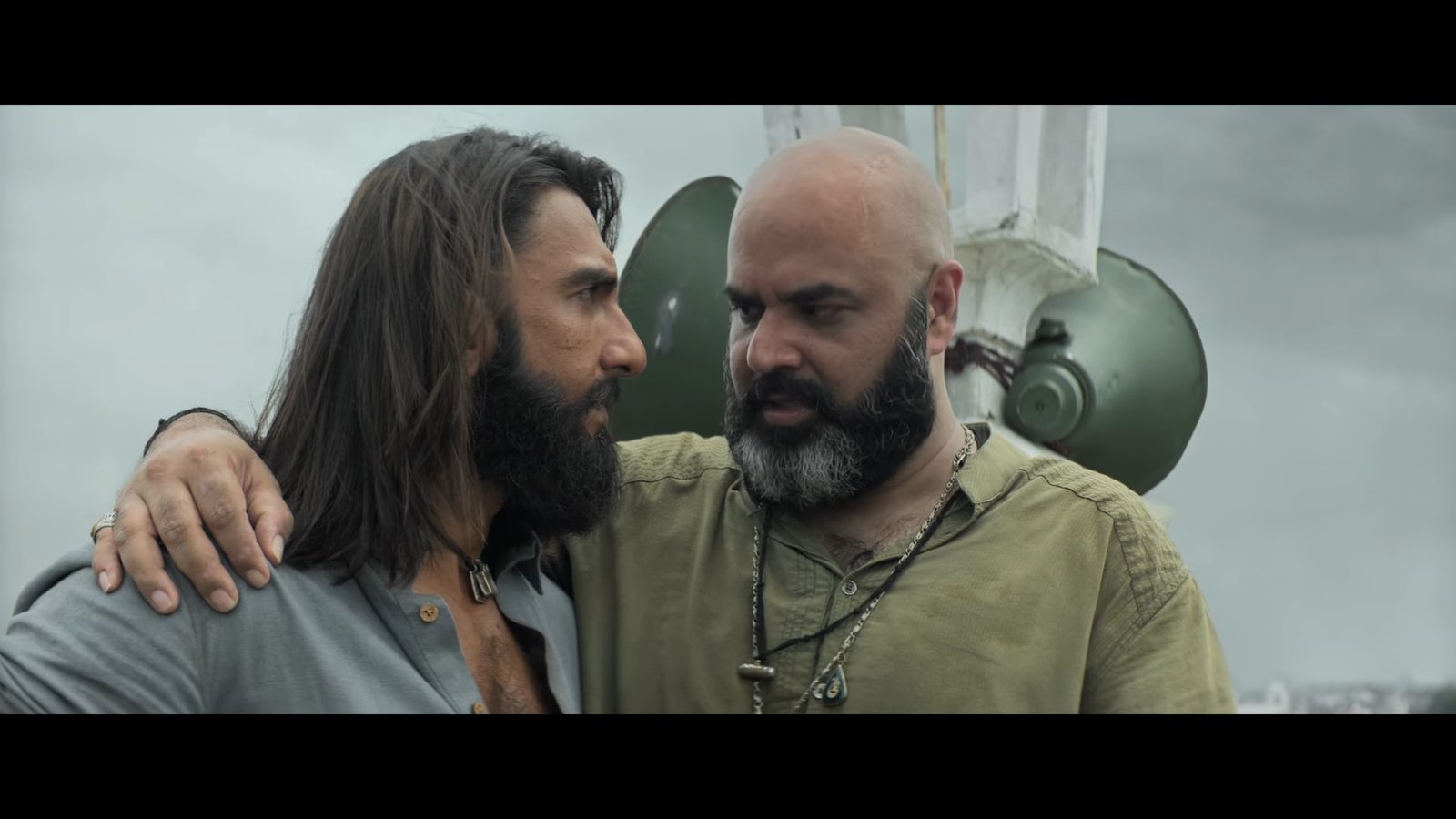
Ranveer Singh‘s high-octane spy thriller, loosely inspired by Karachi’s infamous Lyari gang wars, has left audiences in India and Pakistan asking the same question: how much of this blood-soaked spectacle is real, and how much is cinematic masala?
Dhurandhar: FAQ’s
Here are the 20 most frequently asked questions about the movie Dhurandhar, which are thoroughly answered.
Is Dhurandhar truly based on the real Lyari gang wars, or just loosely inspired by Operation Lyari?
It is loosely inspired. The film borrows the broad setting of Lyari during the 2008–2013 period, the People’s Amn Committee (PAC), Rehman Dakait, Baba Ladla, and the eventual police/ranger operation, but heavily fictionalizes the events. The Indian spy infiltrating Lyari and the climactic RAW-ISI showdown are pure invention.
What was the role of ethnic rivalries (Baloch vs. Pathan/Mohajir) in the actual Lyari gang dynamics?
Lyari is overwhelmingly Baloch. The main gangs (Rehman Dakait’s PAC, later Uzair Baloch’s faction) were Baloch-dominated and fought against Katchi (Pashtun/Mohajir) drug gangs from areas like Sohrab Goth and Banaras. The conflict had an intense ethnic color, with Lyari gangs positioning themselves as “defenders of Baloch rights” against “outsiders.”
How did political parties like PPP and MQM fuel the Lyari gang wars?
The PPP openly backed Rehman Dakait and the PAC until 2011, providing them with political protection in exchange for votes and influence. When Rehman was killed (2009), the relationship soured. MQM and ANP supported rival gangs. Politicians armed and shielded gangsters; gangsters delivered polling stations. Classic Karachi politics.
Who was Rehman Dakait in real life, and why is he portrayed as a “protector”?
Arshad Pappu’s rival, Uzair Baloch’s predecessor, Rehman Dakait (real name Abdul Rehman Baloch), was a feared gangster who controlled Lyari through extortion and drug money. To many poor residents, he was also a Robin Hood figure who built schools, clinics, and distributed rations. That duality is why some still call him “Bhai.”
What led to the 2013 Karachi Operation that ended the major Lyari gang violence?
By 2012–13, Lyari had become a no-go zone even for the police. After the PPP lost control of Uzair Baloch and gang wars paralyzed the city, the federal government launched a paramilitary (Rangers) operation in 2013. Thousands of arrests, hundreds killed in encounters, the backbone of gang networks was broken.
How did the Lyari gangs supply illegal arms, and was there any direct link to Indian intelligence like RAW?
Lyari gangs got arms mainly through the Afghan transit trade route (via Balochistan) and dhows from Muscat. Pakistani investigators have repeatedly accused Uzair Baloch of receiving funding and arms from RAW (claims he confessed to in custody), but hard, independent evidence has never been made public. India denies it.
Why did Bollywood choose to make a movie on Pakistan’s Lyari gang wars instead of Indian stories?
Because post-2019, jingoistic films set in Pakistan sell like hot cakes in India. Lyari offered a ready-made chaotic backdrop that could be spiced up with an Indian super-spy without offending any domestic Indian community.
Is the film’s Indian spy angle historically accurate, or pure fiction?
100 % fiction. No credible record exists of an Indian undercover officer operating inside Lyari during the gang wars.
Does Dhurandhar distort facts to push an anti-Pakistan narrative?
Yes, heavily. Real Lyari violence was an internal Pakistani law-and-order and political failure. The film reframes it as an Indian masterstroke, a classic Bollywood propaganda technique also seen in Uri and Phantom.
Is the movie based on Major Mohit Sharma’s life?
No. That was internet speculation because Major Mohit Sharma (Ashok Chakra) operated undercover in Kashmir. The filmmakers have never confirmed it.
How does Dhurandhar handle real figures like SP Chaudhry Aslam?
Chaudhry Aslam (the fearless cop assassinated by TTP in 2014) appears as a character. The film portrays him as a brutal but effective officer, a largely accurate portrayal that primarily reflects his honest reputation.
Why mix Lyari gang wars with Baloch insurgency and Kulbhushan Jadhav?
Because the filmmakers wanted a bigger canvas, merging Lyari’s urban gangsters with the broader “India destabilizing Balochistan” narrative (Jadhav’s arrest in 2016) creates a more “nationalist” climax for Indian audiences.
Why hasn’t Pakistan made its own big-budget film or Netflix series on the Lyari gang wars?
Fear. The subject is still too raw, too political, and too many influential people (politicians, police, ex-gangsters) are still alive. No one wants the backlash.
How has Dhurandhar put Lyari on the global map, good or bad for Pakistan?
Mostly bad in Pakistan’s view. It reinforces the image of Karachi as a lawless, violent city and of Pakistan as a failing state that needed an imaginary Indian spy to clean it up.
Does the film glorify the gangsters too much?
Yes. Real Lyari encounters were gruesome: bodies dumped in gutters, limbs chopped off. The film stylizes the violence and gives gangsters heroic slow-motion entries.
How does Lyari’s underground rap scene tie into the gang war culture shown in the movie?
Artists like Talha Anjum, Faris Shafi, and Young Stunners grew up in or around Lyari during the era of gang wars. Their lyrics are full of references to “bhai log,” AK-47s, and no-go zones. The film uses a fictionalized version of that soundtrack.
Is the 3-hour runtime justified?
For the action and set pieces, yes. For historical accuracy, no. Most viewers say the last hour drags.
Why recreate Lyari’s entire town in India?
Pakistan refused shooting permission, and even if it had allowed it, no insurance company would have covered a Bollywood crew in the actual Lyari. They built massive sets in Mumbai’s Film City, including the famous Lyari arched gate.
Did the censor board cut sensitive parts?
In India: no significant cuts. In Pakistan, the film is effectively banned (no formal release).
How does Dhurandhar compare to URI or Raazi?
It is louder and more exaggerated than both. URI stayed closer to documented events; Raazi was subtle. Dhurandhar is pure adrenaline, logic optional.
Final Verdict
Dhurandhar is not a documentary.
It is a high-octane, patriotic popcorn flick that uses the very real tragedy of Lyari as exotic wallpaper for Ranveer Singh to flex, shoot, and romance his way through Pakistan.
If you go in expecting gritty realism, you will be disappointed.
If you go in expecting a desi John Wick with extra masala and anti-Pakistan Easter eggs, you will probably love it.
The Lyari gangs destroyed thousands of lives.
Bollywood just turned their story into box-office gold.
About Author