
Table Of Contents
Dhurandhar’s Cheel Chowk
Hey there, ever wondered about Cheel Chowk, the eagle-watching heart of Lyari in Karachi?
This spot has got roots in Partition heroism and gang wars, now buzzing in Bollywood’s Dhurandhar with stars like Ranveer Singh.
Dive into the real story of resilience and rebirth, perfect for history buffs seeking clear and insightful perspectives.
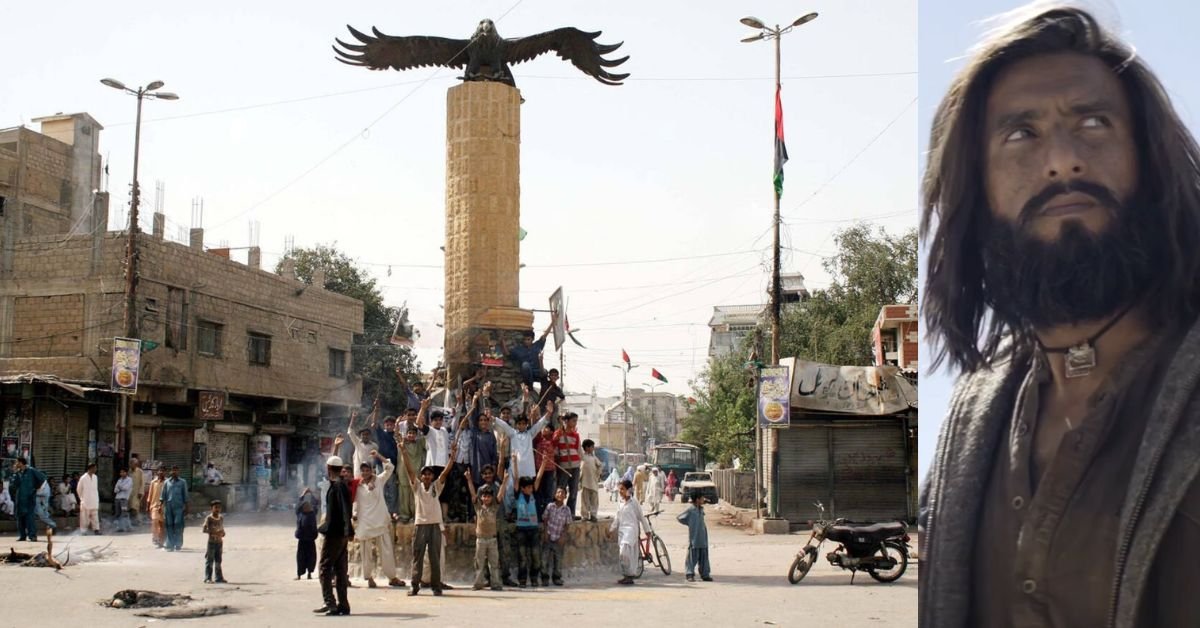
Picture this: a massive concrete eagle perched high above a bustling roundabout, its wings spread wide like it is ready to swoop down on the chaos below.
That is Cheel Chowk for you, the iconic gateway to Lyari, one of Karachi’s oldest neighborhoods.
I have always been fascinated by places like this, where history is not just in dusty books but etched into the streets, the statues, and even the movies we watch today.
Today, we are taking a relaxed stroll through the whole story of Cheel Chowk in Lyari, Karachi, and how it skyrocketed to fame with the Dhurandhar.
Lyari is not just any part of Karachi; locals proudly refer to it as the “Mother of Karachi.”
Tucked along the Lyari River, this neighborhood has been home to fishermen, nomads, and dreamers since the early 1700s.
Cheel Chowk sits right at the entrance, a symbol that has watched over the area through partitions, protests, and everything in between.
Let us start at the beginning and work our way up to why this eagle is suddenly flapping its wings on the big screen.
The Humble Roots: From Grass Sellers To Eagle’s Watch
Before anyone called it Cheel Chowk, the place was officially known as Ibrahim Chowk, named after a quiet hero named Ibrahim Hussain Baloch.
Ibrahim was a social worker from Nawa Lane in Lyari, the kind of guy who built schools, fixed water problems, and kept kids out of trouble without ever chasing fame.
When the Partition hit in 1947, and millions were uprooted, he was on the front lines organizing relief for the refugees pouring into Lyari.
He passed away shortly after, but the city honored him by naming the roundabout in his memory.
Lyari itself started small.
Around 1725, Sindhi fishermen and Baloch nomads were the first to settle along the riverbanks.
By the time of the British era, it had become a hardworking, working-class area populated by dockworkers and traders.
The population grew rapidly, from approximately 24,600 in 1886 to the crowded, vibrant maze we know today, home to Baloch, Sindhis, Kutchis, Pashtuns, Muhajirs, and many more.
The eagle statue arrived much later, in the mid-1990s.
Karachi’s municipal corporation decided to beautify the city’s roundabouts with bold symbols.
For Ibrahim Chowk, they chose a cheel (eagle or falcon), partly inspired by Allama Iqbal’s famous “shaheen” poetry, which describes soaring high and remaining fierce.
The statue was erected around 1995, and although one feather started drooping over the years (some jokingly referred to it as a vulture after that), the nickname stuck: Cheel Chowk was born.
Key Milestones In Cheel Chowk’s Early History
| 1725 | First Sindhi and Baloch settlers arrive in Lyari |
| 1947 | Partition; Ibrahim Hussain Baloch helps refugees; the roundabout was later named after him |
| 1886 | Lyari’s population reaches ~24,600 |
| 1995 | Giant concrete eagle statue installed → Cheel Chowk nickname begins |
The Dark Years: Gang Wars Under The Eagle’s Gaze
If the 1990s gave Lyari its eagle, the 2000s turned Cheel Chowk into a frontline symbol of survival.
Poverty, joblessness, and political games fueled brutal gang wars.
Names like Rehman Dakait, Uzair Baloch, and Arshad Pappu became feared across the city.
Cheel Chowk marked the invisible border; taxis often refused to cross it, and even the police hesitated.
The violence peaked between 2008 and 2013.
Rival gangs fought for control of drugs, extortion, and arms routes.
The People’s Aman Committee (PAC), initially formed for peace, became entangled in the chaos.
In 2012, the eight-day “Operation Lyari” turned the area around Cheel Chowk into a war zone, with armored vehicles, rooftop snipers, and live television coverage.
More than 30 civilians and several officers lost their lives.
Legendary (and controversial) cop SP Chaudhry Aslam led many of the raids.
Through every shootout and curfew, the concrete eagle just stood there, watching.
Locals started saying the cheel was their guardian, sharp-eyed and unbreakable.
Trivia
During the worst of the 2012 operation, authorities actually considered removing the eagle because it was “in the way.” Residents protested loudly, saying, “Our cheel has seen worse storms than this,” and the statue stayed exactly where it was.
Bollywood Lands In Lyari: Cheel Chowk Stars In Dhurandhar
Fast-forward to 2025, and Cheel Chowk suddenly became a movie star.
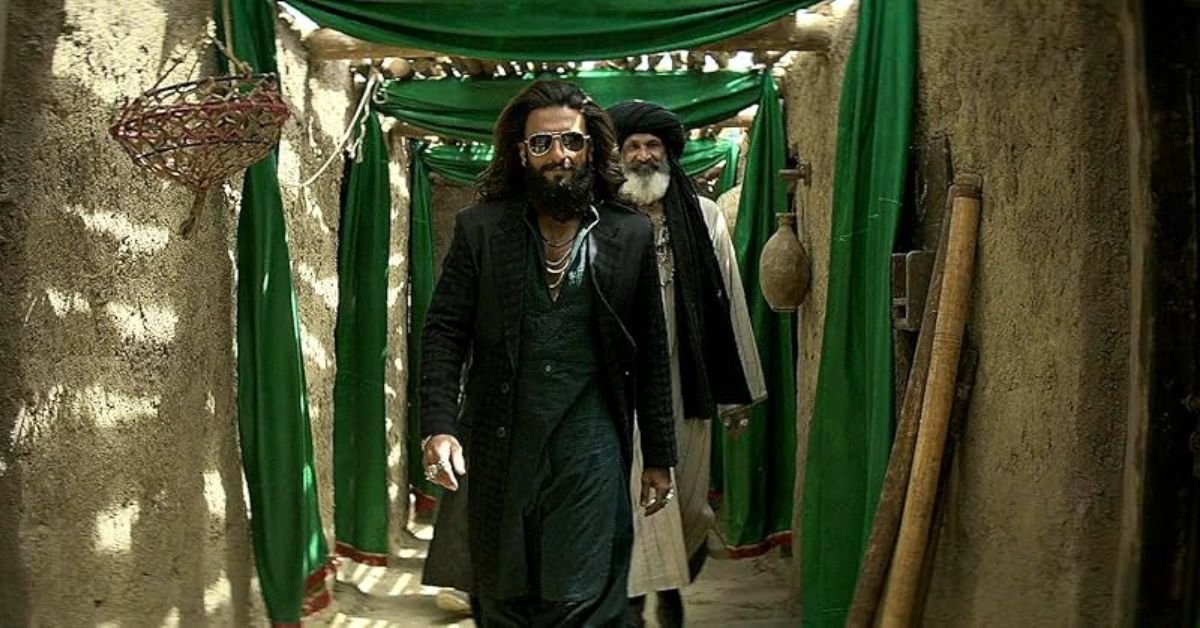
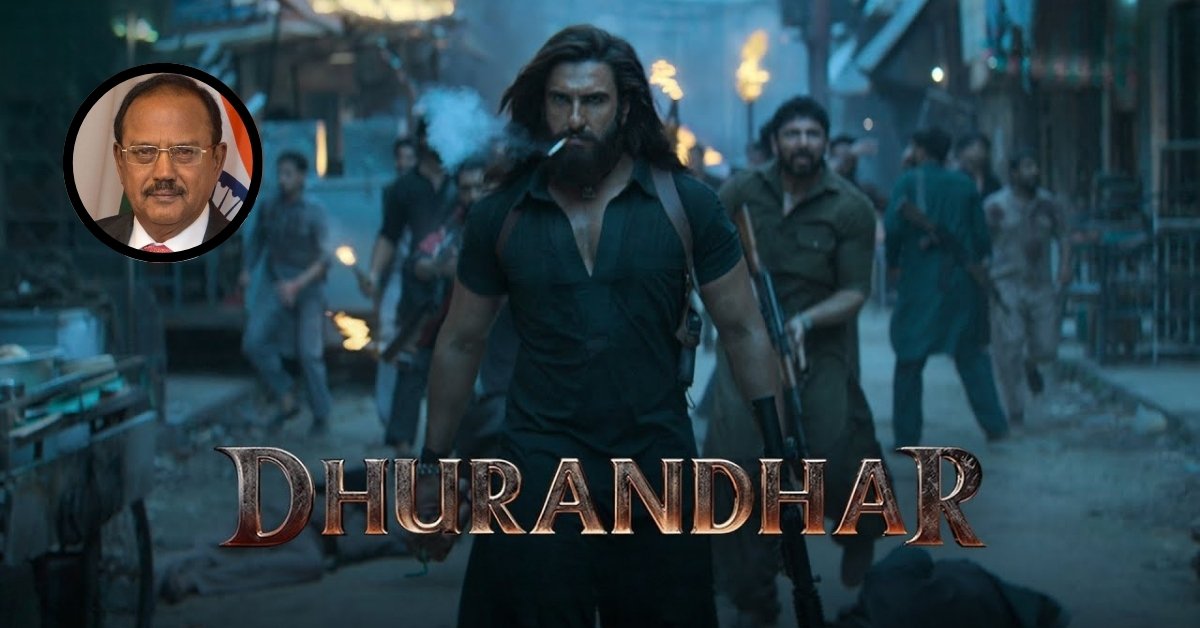
Aditya Dhar‘s spy thriller Dhurandhar, starring Ranveer Singh, Akshaye Khanna, Sanjay Dutt, R. Madhavan, and Arjun Rampal, puts Lyari and its famous eagle at the forefront.
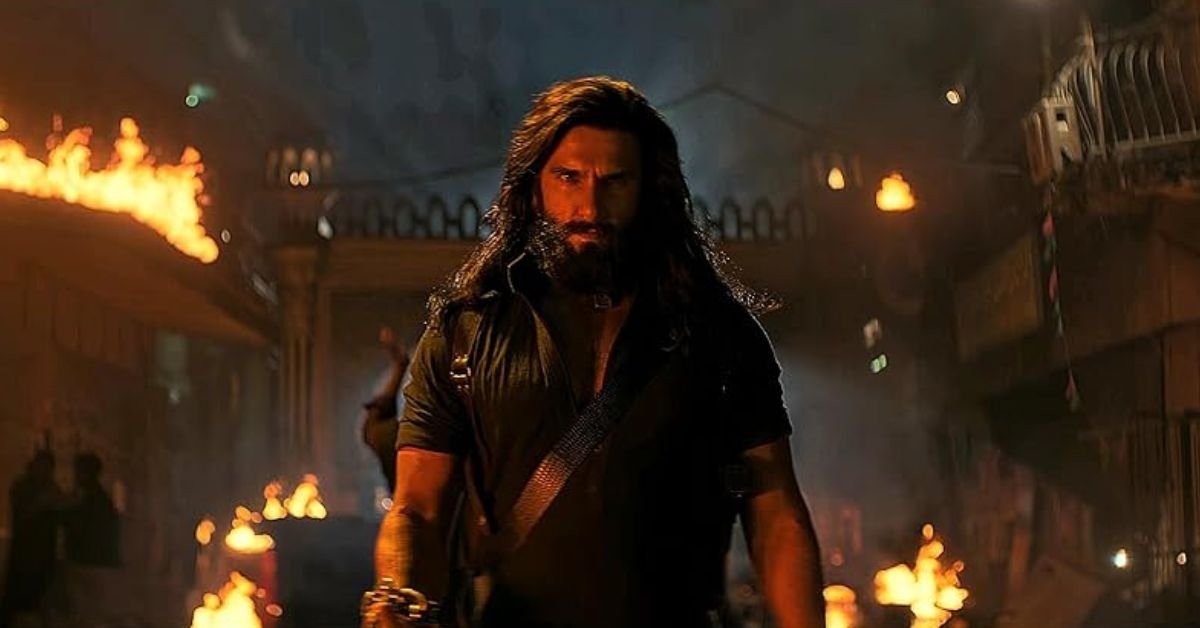
Since filming in the genuine Karachi was not possible, the team built a jaw-dropping 1:1 replica of Lyari in India, complete with the arched gateway and the giant eagle looming over everything.
In the film, Ranveer plays a RAW agent who infiltrates the underworld; Akshaye Khanna channels a character inspired by Rehman Dakait; Sanjay Dutt plays a tough cop clearly modeled on Chaudhry Aslam.
The trailer alone gave me goosebumps, with Ranveer’s character walking beneath those massive wings as tension builds.
The movie mixes real events (the gang wars, Operation Lyari) with high-octane spy fiction.
It has already crossed ₹100 crore at the box office and sparked endless conversations on both sides of the border.
Some Karachiites love that their neighborhood has finally received the big-screen treatment; others say Bollywood got the chaos right but missed the soul, the football madness, the late-night poetry gatherings, and the unbreakable community spirit.
Cheel Chowk Today: Rebirth And Hope
Walk past Cheel Chowk in late 2025, and things feel different.
Football is roaring back; matches at People’s Stadium pull bigger crowds than many pro leagues.
New community universities and tech centers are popping up in those same narrow lanes that once echoed with gunfire.
The eagle got a fresh coat of paint; the droopy feather is still there, but now it is celebrated as a symbol of resilience, bent but never broken.
Yes, challenges remain: unemployment is stubborn, and old tensions have not vanished overnight.
However, the vibe has shifted.
Murals of Iqbal’s shaheen share wall space with peace slogans and portraits of local football heroes.
Chheel Chowk is no longer just a statue or a film location.
It is living proof that neighborhoods, like people, can take unbelievable punishment and still rise again, wings spread, eyes sharp, ready for whatever comes next.
Thank you for joining me on this ride through one of Karachi’s most unforgettable corners.
If the story of Cheel Chowk and Lyari inspires you, share it with a friend who loves real, gritty history.
Until the next adventure, keep exploring the hidden stories all around us!
About Author