Table Of Contents
Dr. Raj Phanden

Imagine pedaling through snow-capped mountains, bustling cities, and vast deserts, all while carrying a message of hope for our planet.
That is the everyday reality for Dr. Raj Phanden, better known to the world as Cycle Baba.
This unassuming man from a small town in India has transformed personal tragedy into a global mission, cycling over 140,000 kilometers across more than 130 countries to raise awareness about environmental issues.
His story is not just about adventure; it is a testament to resilience, sustainability, and the power of one person’s actions to inspire millions.
Born in the rural heartland of Haryana, India, Dr. Phanden’s life took an unexpected turn in 2016.
What started as a quest for personal healing evolved into the “Wheels for Green” initiative, a bicycle-powered campaign against pollution, global warming, and climate change.
Through seminars, tree plantations, and social media, he has planted over 120,000 saplings and saved more than 70 tons of carbon emissions.
As we explore his biography, we will uncover the man behind the moniker, his motivations, and the profound impact he is making on the world.
Early Life And Roots In Rural India
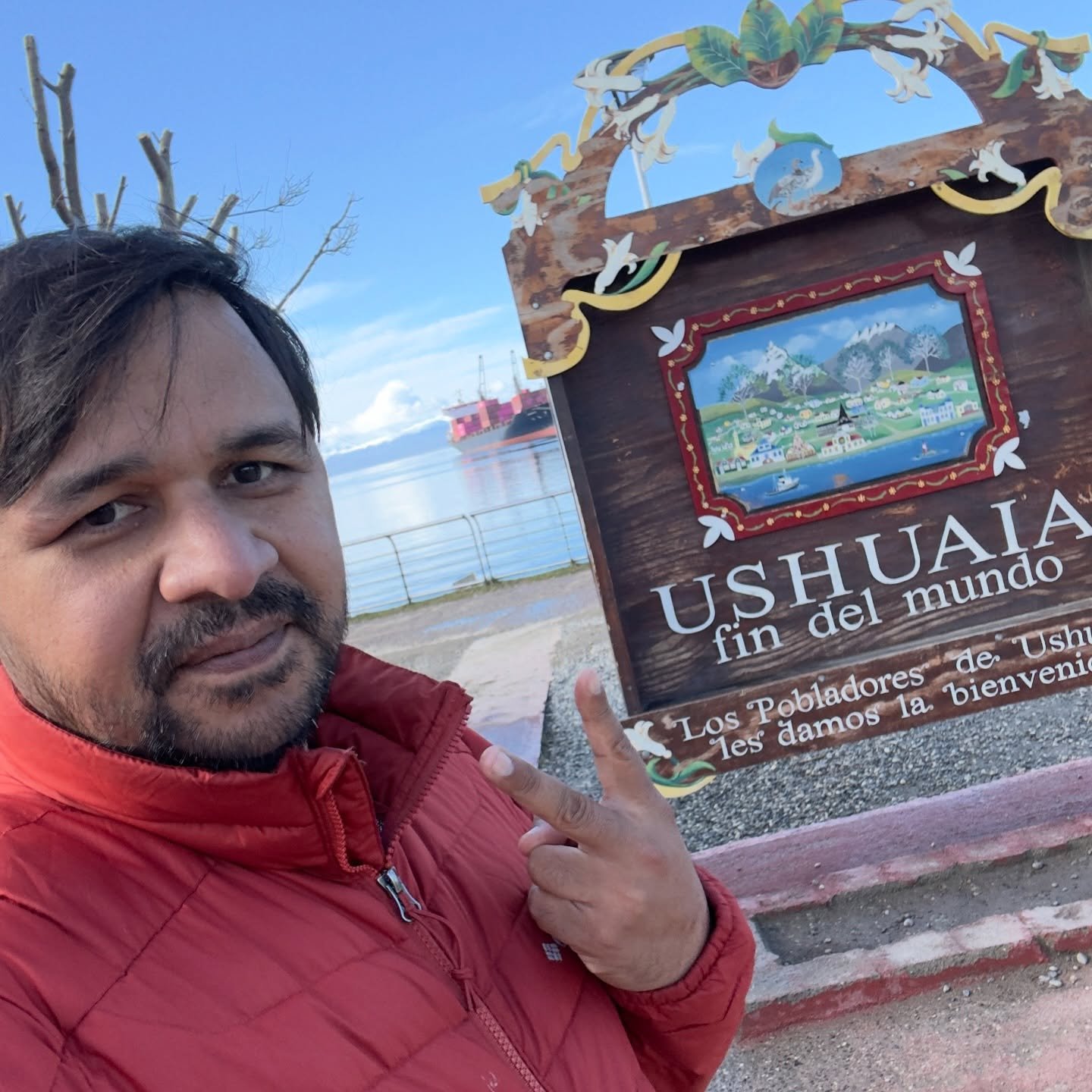
Dr. Raj Phanden’s story begins in Bhuna, a modest town in the Fatehabad district of Haryana, India.
Growing up in a farmer’s family, he was no stranger to the rhythms of nature, the changing seasons, the toil of the soil, and the harsh realities of environmental degradation.
Haryana’s agricultural landscape, dotted with fields of wheat and rice, instilled in him an early appreciation for the Earth.
However, it also exposed him to the growing threats of pollution and climate shifts, which he would later address head-on.
From a young age, Raj showed a keen interest in health and well-being.
His family’s farming background meant long days under the sun, where he witnessed firsthand how environmental factors like air quality and water scarcity affected daily life.
These experiences shaped his worldview, planting the seeds, quite literally, for his future environmental activism.
Little did he know that the simple bicycle rides around his village would one day become a symbol of global change.
In his formative years, Raj navigated the challenges typical of rural Indian life: limited resources, a focus on education as a pathway to better opportunities, and a strong sense of community.
He often speaks of the values instilled by his parents: hard work, humility, and respect for nature, which became the foundation of his character.
These roots in Bhuna not only grounded him but also fueled his empathy for those suffering from environmental ills, a theme that recurs throughout his medical career and beyond.
As a child, Raj was curious and adventurous, exploring the countryside on foot or by bike.
Stories from locals about distant lands sparked his imagination, though he could not have foreseen cycling through them himself.
His early education in local schools emphasized discipline and learning, setting him on a path toward higher studies.
This period of his life, though unremarkable on the surface, was crucial in building the resilience needed for his epic journeys.
Expanding on his upbringing, it is worth noting how rural Haryana’s environmental challenges mirrored global issues.
Deforestation, soil erosion, and pesticide overuse were commonplace, affecting health and livelihoods.
Raj’s observations here likely influenced his later focus on linking human health to planetary health.
In interviews, he recalls helping on the farm, where crop failures due to erratic weather patterns highlighted climate change’s real-world impacts.
Education And Entry Into Ayurveda

Pursuing a career in medicine was a natural choice for someone as compassionate as Dr. Phanden.
He earned his degree in Ayurveda, an ancient Indian system of medicine that emphasizes holistic health, natural remedies, and harmony with the environment.
This field resonated deeply with his background, blending traditional knowledge with a respect for nature’s healing powers.
Dr. Phanden completed his MD in Ayurveda, equipping him with expertise in herbal treatments, lifestyle advice, and preventive care.
Ayurveda, meaning “science of life,” taught him that true health extends beyond the body to include the mind, spirit, and surroundings.
This philosophy would later become the bedrock of his environmental advocacy, as he saw parallels between personal wellness and planetary sustainability.
During his studies, he delved into texts like the Charaka Samhita and Sushruta Samhita, learning about the balance of doshas (body energies) and the role of diet, exercise, and environment in well-being.
Cycling, ironically, aligns perfectly with Ayurvedic principles, promoting physical activity, fresh air, and minimalism.
His education was not just academic; it was transformative, honing his ability to connect with people and explain complex ideas simply.
Post-graduation, Dr. Phanden practiced Ayurveda in India, treating patients with conditions often linked to environmental factors, such as respiratory issues from pollution or stress-related ailments from urban life.
He noticed a pattern: many illnesses stemmed from humanity’s disconnect from nature.
This insight gnawed at him, especially as he dealt with personal losses that amplified his sense of purpose.
In his practice, he advocated for natural lifestyles, encouraging patients to incorporate walking or cycling into their routines.
Little did his patients know that their doctor would soon embody this advice on a grand scale.
His educational journey also included continuous learning; even today, he draws on Ayurvedic wisdom in his seminars, linking ancient knowledge to modern environmental challenges.
Professional Career As An Ayurvedic Doctor
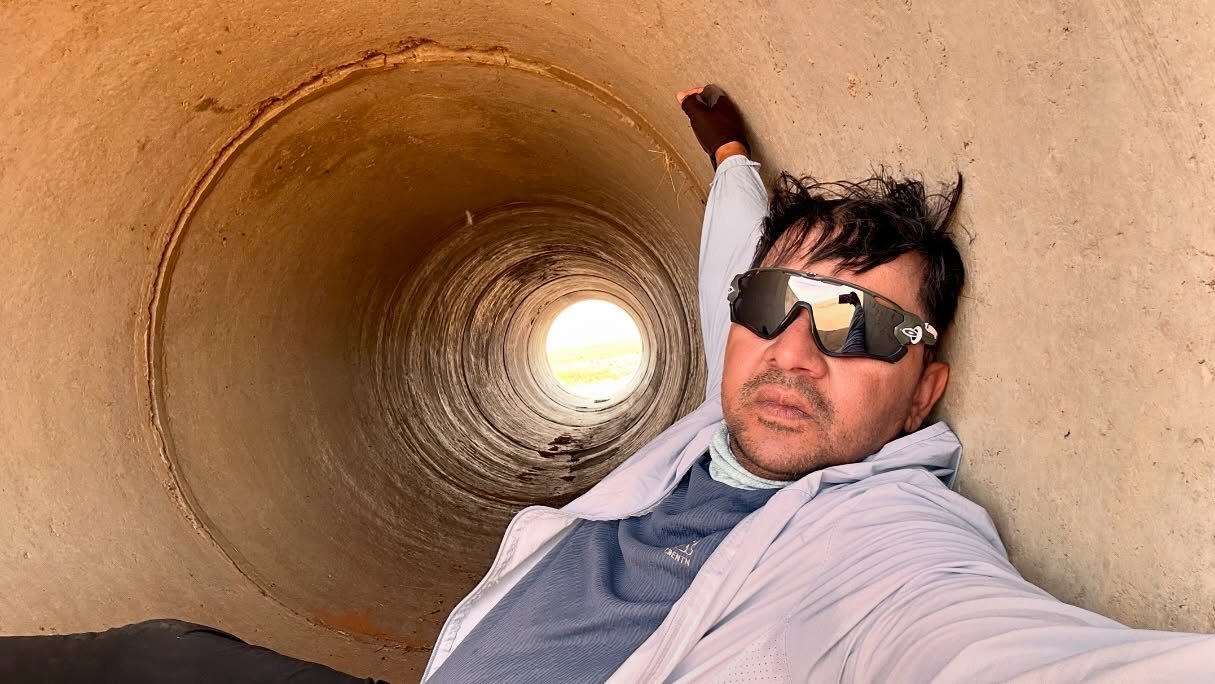
Before becoming Cycle Baba, Dr. Phanden built a respected career as an Ayurvedic practitioner.
Working in clinics and perhaps even his own practice in Haryana, he focused on holistic treatments that addressed root causes rather than symptoms.
His patients ranged from farmers dealing with occupational hazards to urban dwellers battling lifestyle diseases.
One key aspect of his work was observing the health impacts of environmental degradation.
In rural areas, he treated cases of asthma exacerbated by agricultural pollutants, while in cities, he saw rising incidences of cancer and heart disease tied to air quality.
These experiences were eye-opening, reinforcing his belief that medicine alone could not solve problems rooted in planetary harm.
Dr. Phanden’s approach was patient-centered, emphasizing education.
He would explain how simple changes, like planting trees or reducing waste, could improve health outcomes.
This educational bent foreshadowed his global seminars.
Financially stable from his practice and family land, he had the means to fund his journey later.
However, tragedy struck.
The loss of his wife in a car accident years earlier, followed by his parents’ deaths in 2016, plunged him into depression.
Feeling isolated, he questioned his life’s direction. Medicine helped others, but he yearned for a broader impact.
This turning point led him to sell ancestral land to finance his adventure, marking the end of his traditional career and the birth of a new mission.
During this phase, he also explored ways to integrate environmental awareness into his practice, perhaps organizing local health camps with tree-planting activities.
His career, though cut short by his journey, laid the groundwork for his message: health and environment are inseparable.
The Turning Point: From Grief To Global Mission

2016 was a pivotal year for Dr. Phanden.
Reeling from the deaths of his parents and still mourning his wife, he found himself at a crossroads.
“I was alone and in depression, and I decided that this was not my life. I needed to work for society and for this motherland, Earth,” he shared in an interview.
This profound realization came amid reflections on his medical observations of patients suffering from diseases linked to climate change, like heat stress and pollution-related cancers.
Seeking solace and purpose, he turned to the bicycle, a simple tool from his childhood.
On September 5, 2016, he set off from Bhuna on what would become the “Wheels for Green” project.
The goal?
Cycle to every country in the world, spreading awareness about environmental threats and encouraging sustainable actions.
This was not a whim; it was a calculated response to personal pain and global crises.
The decision involved sacrifices: leaving his practice, selling land, and embracing uncertainty.
However, it brought clarity.
By choosing the bicycle, a zero-emission vehicle, he embodied his message.
Early rides through India, visiting over 1,000 schools and colleges, tested his resolve and honed his outreach skills.
This period also saw the emergence of his online presence.
Starting a YouTube channel to document his travels, he quickly gained followers inspired by his authenticity.
The channel, now boasting over 800,000 subscribers, became a revenue source, sustaining his journey.
Launching “Wheels for Green”
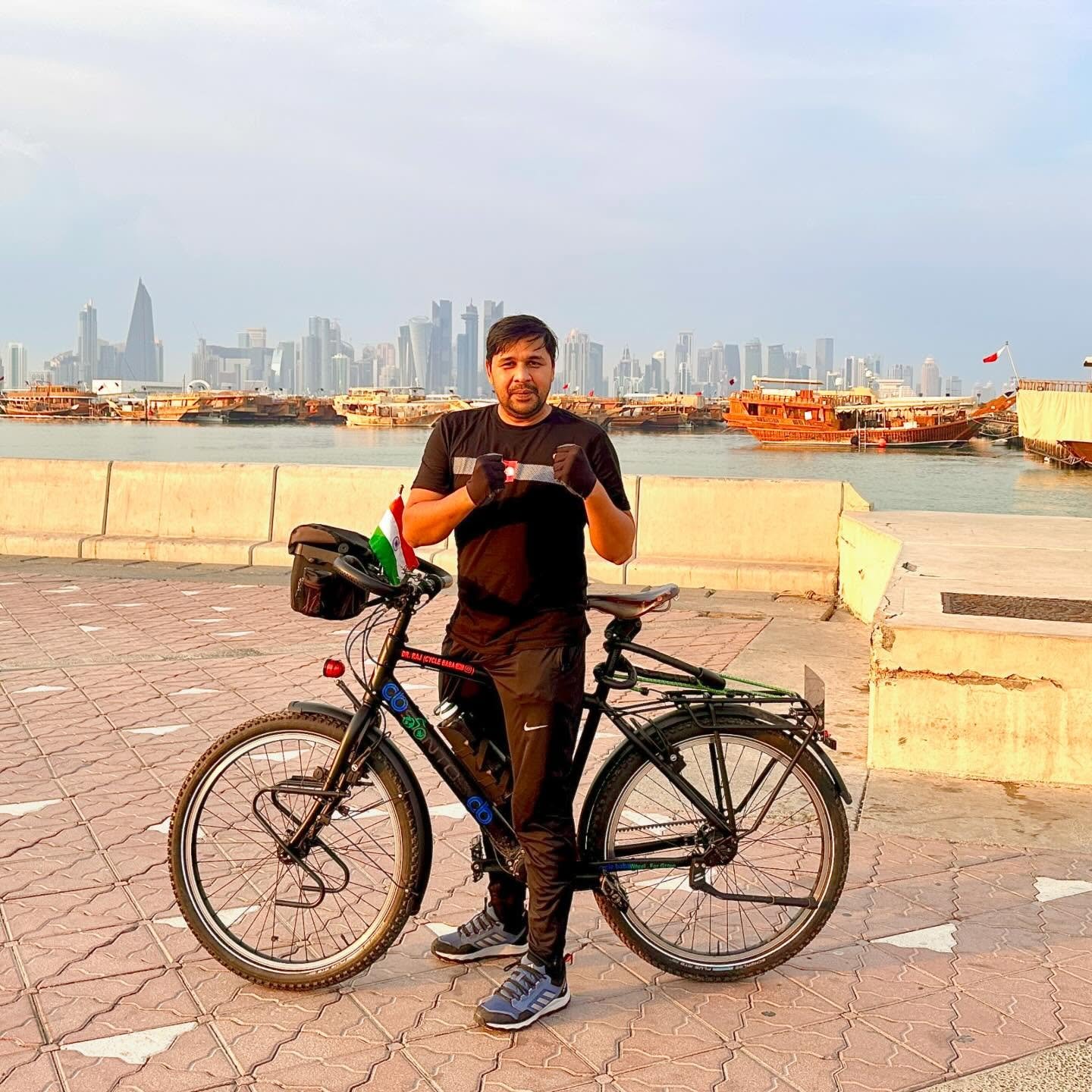
“Wheels for Green” is more than a journey; it is a movement.
Launched in 2016, it aims to highlight the urgency of climate action through cycling.
Dr. Phanden’s mantra: Use the bicycle to promote carbon-free travel, plant trees, and educate on sustainability.
The initiative’s core activities include:
- Tree Planting: Over 120,000 saplings planted worldwide, combating deforestation.
- Seminars: More than 1,350 sessions in schools, colleges, and communities, discussing global warming’s health effects.
- Awareness Campaigns: Promoting cycling’s benefits, like reducing heart attack risk by 50% with just 5km daily.
By 2025, the project will have spanned 9+ years, with Dr. Phanden cycling 140,500+ km and visiting 130+ countries.
He has saved 70+ tons of carbon, proving individual actions matter.
The name “Cycle Baba” originated in the Philippines, where the Indian ambassador likened his simple, sage-like lifestyle to a “baba” (holy man) on wheels.
This moniker stuck, endearing him to global audiences.
Global Adventures

Dr. Phanden’s journey is a tapestry of diverse landscapes and cultures.
Starting in Asia, he cycled through neighbors like Sri Lanka, Bangladesh, Bhutan, Myanmar, Vietnam, Cambodia, Nepal, Singapore, Thailand, Malaysia, Laos, Indonesia, Taiwan, Japan, South Korea, Hong Kong, China, Oman, Iran, Azerbaijan, Turkey, Macau, the Philippines, Georgia, and Uzbekistan.
In Asia, he navigated bustling markets and serene temples, planting trees and holding seminars.
Challenges included language barriers and hilly terrains, but the hospitality from locals fueled him.
Moving to Europe, he covered the UK, the Netherlands, and 15 other countries, including Scotland.
Visa hurdles in the Schengen zone required creative routing, like exiting to Scotland and re-entering.
European legs highlighted contrasts, from urban Amsterdam to rural countryside, while emphasizing shared environmental concerns.
Africa brought adventures in South Africa, where he marveled at wildlife and addressed deforestation.
The continent’s vastness tested his endurance, with extreme heat and sparse roads.
In the Middle East, experiences in Saudi Arabia stood out.
Entering from Qatar in December 2023, he was overwhelmed by hospitality, offers of food, water, and shelter, which extended his stay.
He described the Kingdom as “one of the best places” he had visited, an eye-opener beyond expectations.
Oceania saw him in Australia, starting from Perth in 2024, cycling over 2,000 km in a month.
He praised Australia’s peace and environmental respect, contrasting it with deforestation elsewhere. Plans included New Zealand and Fiji.
The Americas featured recent visits to Argentina in October 2025, where he thanked the Indian Embassy for support in spreading his message.
Throughout, he has endured temperatures from -20°C to 50°C, fostering a belief in global unity.
Timeline Of Key Milestones

| Year | Milestone | Details |
|---|---|---|
| 2016 | Journey Begins | Starts from Bhuna, India, on September 5; initial focus on Asia. |
| 2018 | Middle East Entry | Cycles through Oman, Iran, and earns “Cycle Baba” in the Philippines. |
| 2020 | COVID Interruption | Returns to India during lockdowns; only the second break in the journey. |
| 2022 | Surgery Break | Brief return for health reasons; resumes promptly. |
| 2023 | Saudi Arabia Visit | Extended stay due to hospitality; crosses 100 countries. |
| 2024 | Australia Leg | Starts in Perth; covers 2,000+ km, plans for New Zealand. |
| 2025 | 9 Years Mark | Visits Argentina; continues the Balkan region; and undergoes teeth surgery recovery. |
Environmental Impact And Achievements

Dr. Phanden’s efforts have tangible results.
Beyond stats, his work inspires action.
In schools, his seminars motivate students to plant trees and adopt green habits.
Communities worldwide have started local initiatives, echoing his message.
Key Achievements:
- Plantations: 120,000+ saplings, contributing to reforestation.
- Education: 1,350+ seminars, reaching thousands.
- Carbon Savings: 70+ tons, equivalent to removing dozens of cars from roads.
- Media Reach: YouTube with 800k+ subscribers; Instagram (391k followers), X (2.8k followers), sharing stories that humanize climate issues.
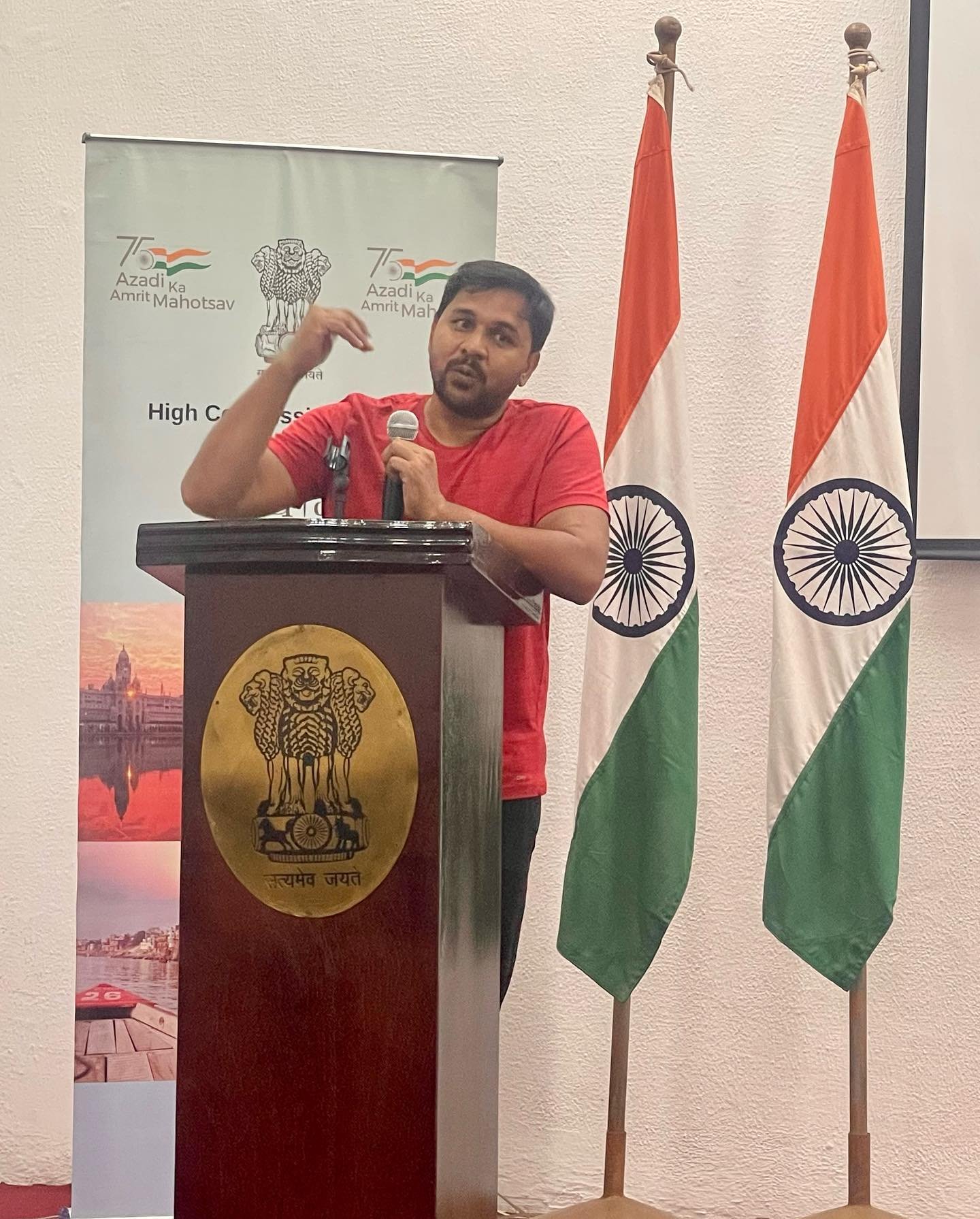
His impact extends to policy; Indian embassies support his travels, amplifying India’s eco-diplomacy.
Plans: Complete 196 countries by 2030, visit Poles, write a book.
Key Achievements Table
| Category | Achievement | Impact |
|---|---|---|
| Travel | 140,500+ km, 130+ countries | Global exposure to environmental message. |
| Plantation | 120,000+ saplings | Aids biodiversity, combats erosion. |
| Education | 1,350+ seminars | Empowers youth on sustainability. |
| Carbon | 70+ tons saved | Reduces greenhouse gases. |
| Media | 800k+ YouTube subs | Inspires millions online. |
Challenges Faced On The Road
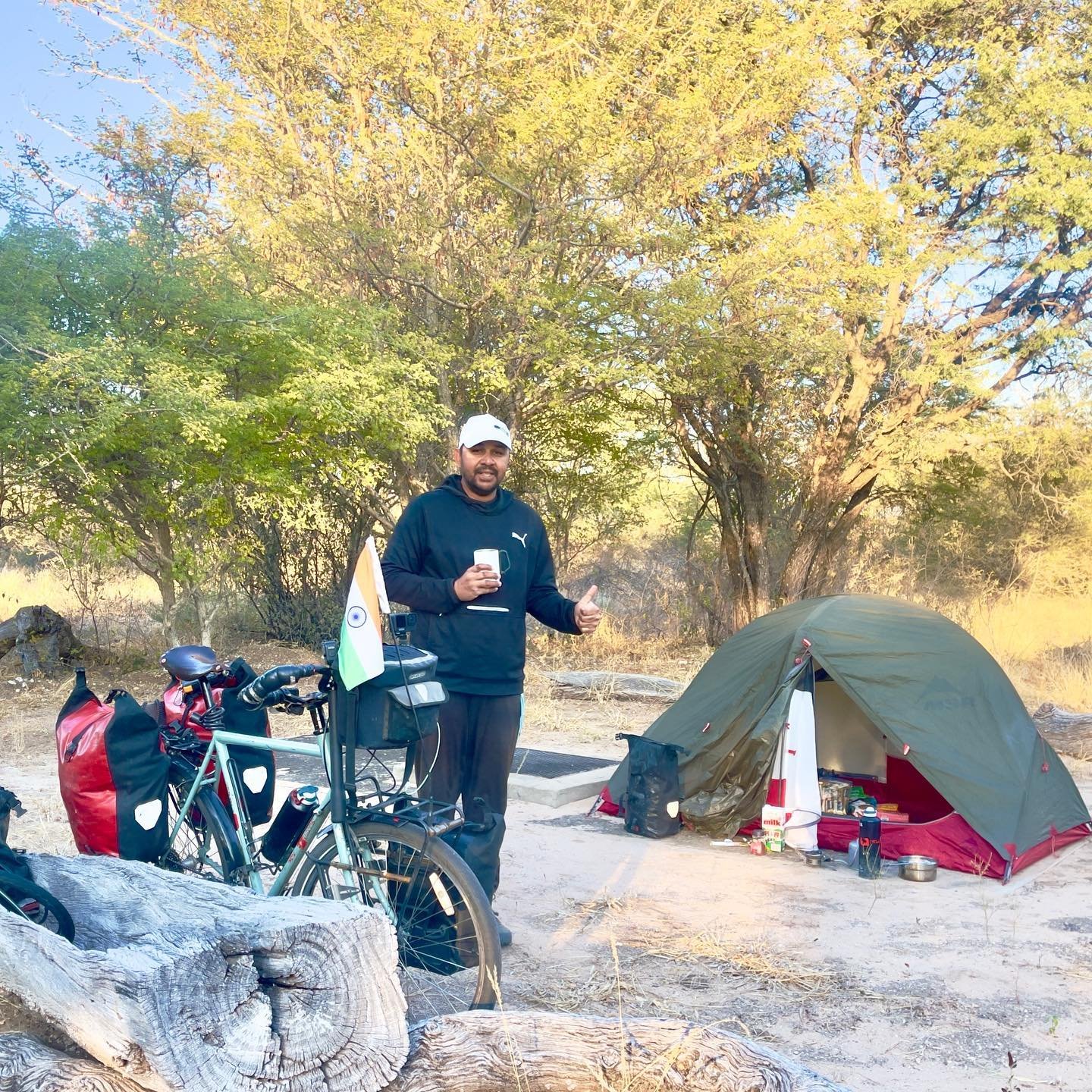
No epic tale is without hurdles.
Dr. Phanden has braved extreme weather, from Siberian chills to desert heat.
Visa restrictions, like Schengen limits, forced reroutes.
The COVID-19 pandemic halted progress in 2020, and a 2022 surgery required recovery.
Physical tolls include fatigue and injuries; a 2025 teeth surgery sidelined him briefly.
However, he persists with motivational mantras: “Consistency is key.”
Emotional challenges, loneliness, and doubt are countered by global kindness, like Saudi hospitality.
His philosophy: “Hadsay gawah hain, zindagi ka koi bharosa nahi” (Accidents are witnesses; life has no guarantee).
Personal Insights And Philosophy
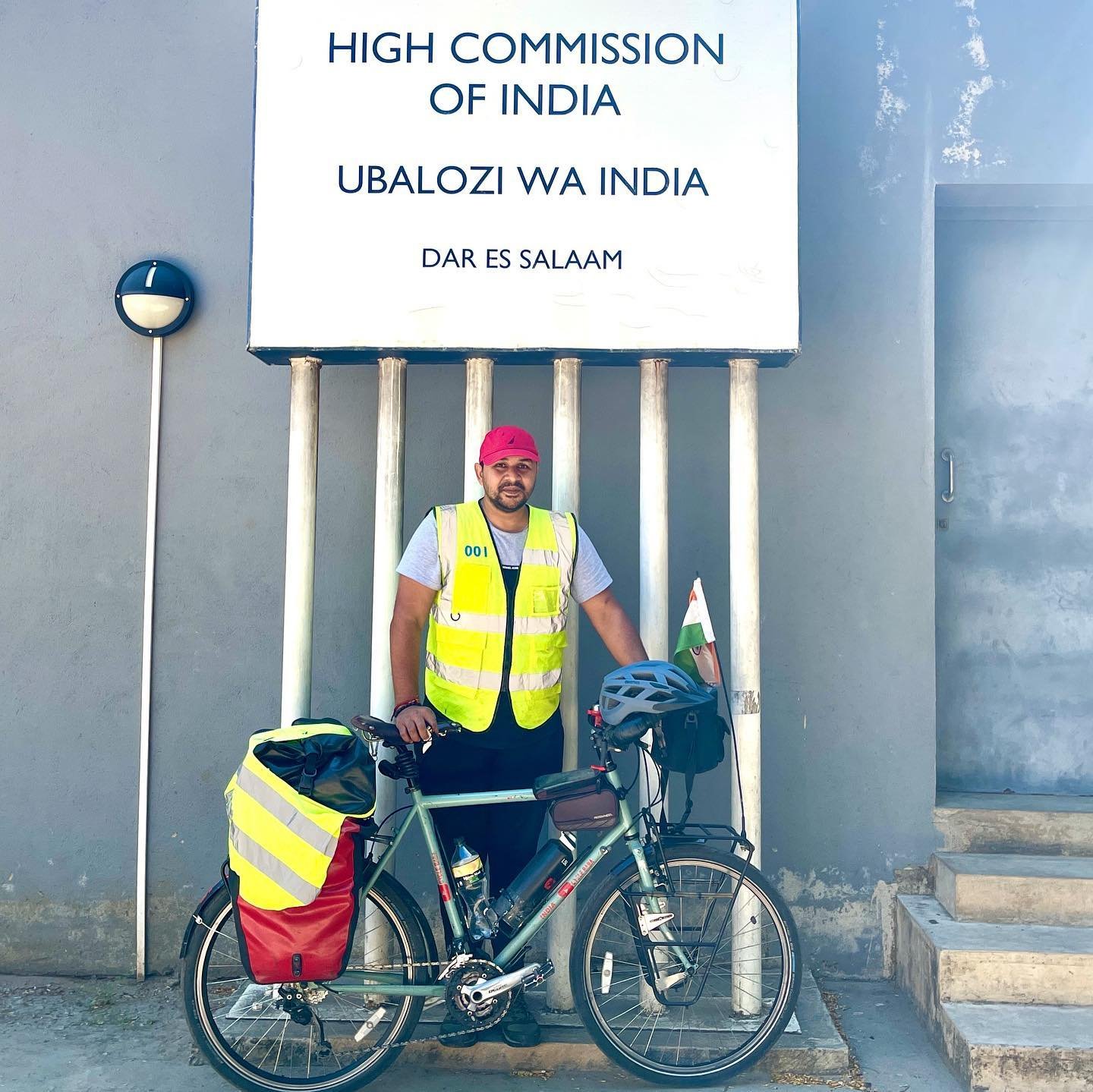
At heart, Dr. Phanden is a philosopher-cyclist.
His X posts blend motivation and wisdom: “Sabke bina kaam chal hi jata hai, aap bhram mein hain ki aap khaas hain” (Life goes on without anyone; you are deluded if you think you are special).
He lives minimally, camping with bike supplies, embodying Ayurvedic simplicity.
His encounters with diverse cultures reinforce unity: “I have met different people, cultures, religions… we need to work together.”
Personal anecdotes, like being hosted by strangers, underscore humanity’s goodness.
He credits his journey for healing: from depression to purpose, showing the power of resilience.
Trivia: A Surprising Fact
Did you know? Dr. Raj Phanden earned his “Cycle Baba” nickname not in India, but in the Philippines, where the Indian ambassador compared his ascetic, bicycle-bound lifestyle to that of a wandering sage, or “baba.” This moniker has since become synonymous with his mission, turning a simple observation into a global brand.
Conclusion

Dr. Raj Phanden’s life as Cycle Baba is a beacon of hope in turbulent times.
From a grieving doctor in Haryana to a world-traveler planting seeds of change, his story reminds us that one pedal at a time can move mountains.
As he aims for 196 countries by 2030, his message resonates: Protect our planet for future generations.
If this tale inspired you, dive deeper into more biographies and eco-stories on our site.
Who knows?
It might spark your own green adventure.
Keep exploring, and remember, every action counts!
About Author