
Table Of Contents
Hey there, folks!
This is coming straight from the team at THOUSIF Inc. – INDIA, where we break down big global stories into bite-sized, easy-to-digest pieces.
Imagine we are chatting over a cup of coffee about the latest buzz: Has India really lost its stake in Chabahar Port? With US sanctions tightening, budget cuts making headlines, and now those explosive US-Israel airstrikes on Iran today, it is a whirlwind out there.
However, let us not jump to conclusions.
We will guide you through the facts, the drama, and what it all means for India’s strategic plays.
We will keep it simple, straightforward, and packed with insights.
Ready? Let us dive in.
The Basics: What is Chabahar Port?
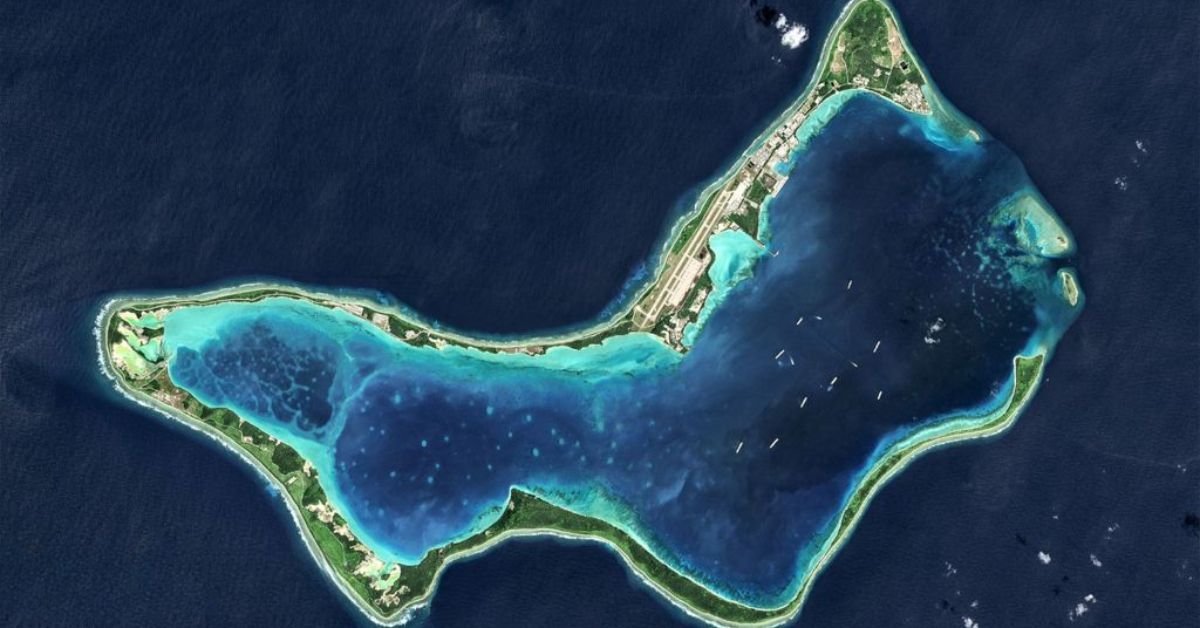
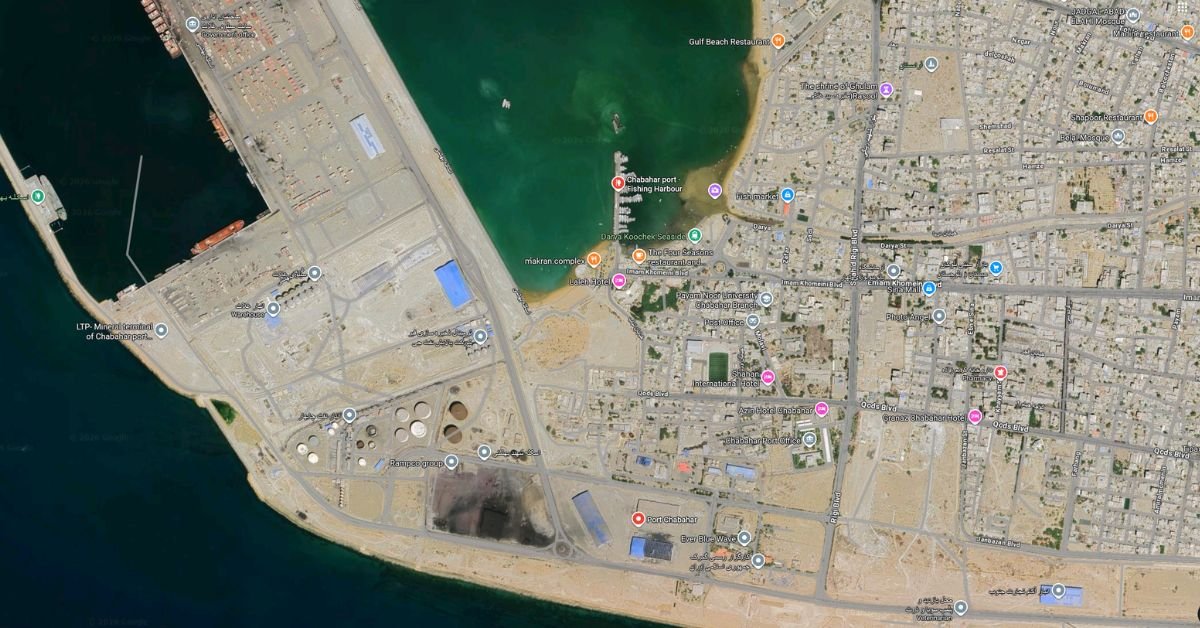
First things first, Chabahar Port is Iran’s gem on its southeastern coast, in the Sistan-Baluchestan region.
For India, it is a game-changer, a direct route to Afghanistan, Central Asia, and even Europe, skipping the tricky path through Pakistan.
Picture it as India’s clever workaround in a neighborhood full of roadblocks.
The story began in 2016 with a trilateral pact among India, Iran, and Afghanistan.
Fast-forward to May 2024, and India sealed a 10-year deal to run the Shahid Beheshti Terminal via India Ports Global Ltd (IPGL).
We have invested around $120 million in equipment such as cranes and containers, boosting cargo from about 9,000 units in 2022 to over 80,000 in 2025.
That is not just numbers; it is real trade flowing, wheat, pulses, and aid zipping to needy spots.
Sanctions Squeeze: The US Factor
Now, enter the complications.
The US has been piling on sanctions against Iran, basically rules that punish anyone doing big business there.
Under the Trump administration, things got stricter in September 2025, when they yanked a special pass for Chabahar and imposed tariffs.
India snagged a six-month grace period to wind down by April 26, 2026.
That is why the February 1, 2026, Union Budget showed zero funding for the port, a first after years of annual injections of around Rs 100 crore.
Iran’s Foreign Minister Abbas Araghchi called it “disappointing,” highlighting how Chabahar could be a “golden gateway” linking the Indian Ocean to Europe.
However, India is not backing out entirely.
Officials insist, “Exiting is not an option.”
We have fulfilled our cash commitments, and the port is now self-sustaining, with local Iranian teams handling ops to sidestep sanctions snags.
Modi’s Israel Trip: Shifting Alliances?
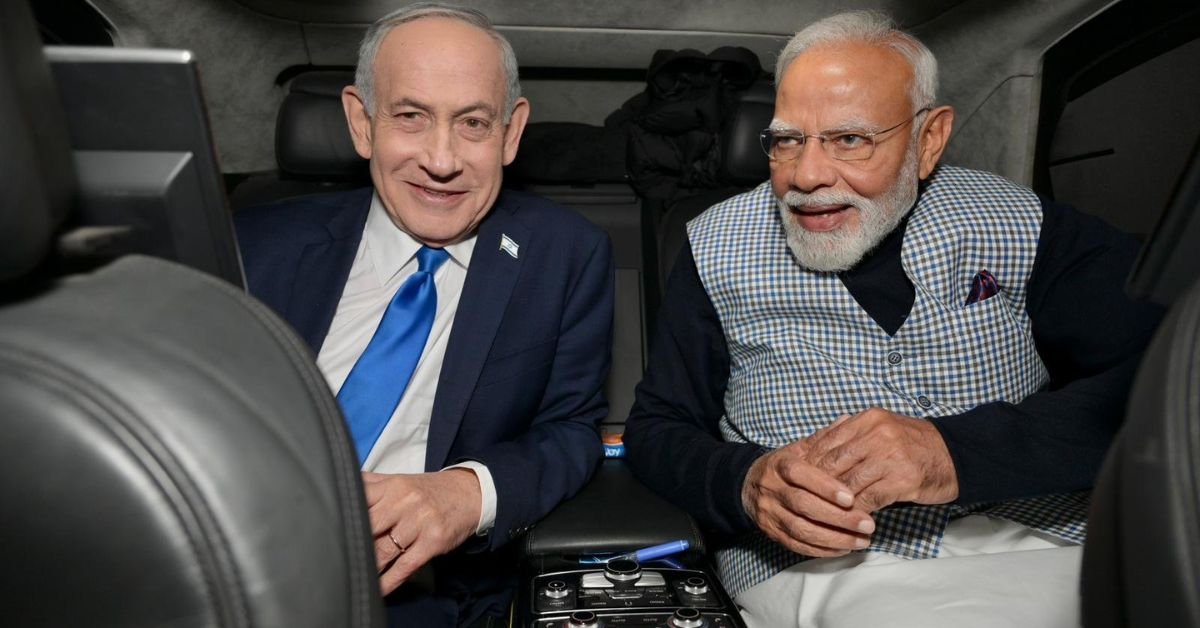
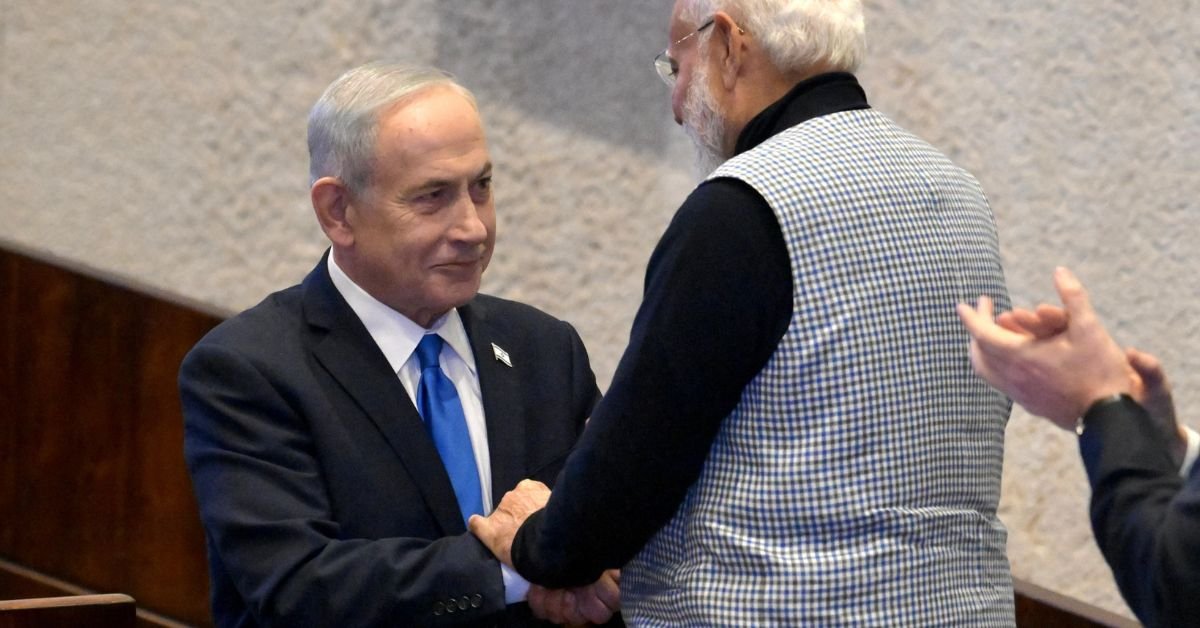
Adding layers to this puzzle is Prime Minister Narendra Modi’s visit to Israel on February 25-26, 2026.
It was all about deepening ties and securing deals in AI, cybersecurity, defense tech, and even joint missile projects like the Iron Dome.
Modi addressed the Knesset, showing strong support amid regional tensions.
Iran was not pleased and urged India to mediate instead.
This move underscores India’s tightrope walk: cozying up to Israel and the US for cutting-edge tech and security, while trying to keep Iran as a reliable partner for energy and routes.
We have dialed back Iranian oil imports due to sanctions, but Chabahar remains a key puzzle piece in countering China’s Gwadar Port in Pakistan.
Breaking News: US-Israel Airstrikes Hit Iran
Hold onto your hats, the situation escalated dramatically today, February 28, 2026.
In a joint operation dubbed “Operation Epic Fury” by the US and “Roaring Lion” by Israel, airstrikes pounded Iranian sites early this morning.
Reports confirm hits on Tehran, Qom, Isfahan, Karaj, and spots near Supreme Leader Ayatollah Ali Khamenei’s compound.
President Trump announced it as a push to dismantle Iran’s missile and naval power, aiming to curb nuclear ambitions.
Iran fired back, launching missiles at US bases in Bahrain, including the Fifth Fleet.
No direct reports of strikes on Chabahar yet, but with attacks on military and naval spots, the port’s infrastructure could be at risk.
Indian airlines are feeling the heat too; flights to Tel Aviv are being diverted, and airspace closures are disrupting routes.
Over 3,000 Indians in Iran, including port staff, got embassy alerts to stay safe and skip non-essential travel.
How This Affects India: Risks and Realities
For India, this is a gut punch to our $120 million investment and the port’s role in the International North-South Transport Corridor (INSTC).
Disruptions could halt trade, spike costs, and force reroutes.
Energy security is on the line, too; any chaos in the Strait of Hormuz means oil shortages and inflation headaches.
Diplomatically, India’s Deputy NSA visited Tehran in January 2026 to reaffirm ties, and we are still pushing the US to extend sanctions.
However, with F-22 jets deployed to Israel and talks of broader conflict, Chabahar’s future looks shaky.
Private firms like Adani Ports might step in for indirect management, keeping our foot in the door.
Timeline Of Key Events
To keep things clear, here is a quick snapshot of how we got here:
| Date/Event | What Happened | Impact On India |
|---|---|---|
| May 2024 | 10-year deal signed for Shahid Beheshti Terminal | Locked in ops; cargo surged to 80,000 units by 2025 |
| September 2025 | US pulls exemption; gives 6-month waiver | Rushed $120M payout; ops on thin ice |
| January 2026 | Deputy NSA’s Tehran trip | Bolstered ties amid rising tensions |
| February 1, 2026 | Zero budget allocation | Fueled exit rumors; Iran voiced disappointment |
| February 25-26, 2026 | Modi’s Israel visit | Boosted US-Israel bonds; Iran relations strained |
| February 28, 2026 | US-Israel airstrikes; Iran retaliates | Potential port disruptions; flight chaos; safety alerts |
This timeline shows the rapid buildup; today’s strikes could be a tipping point.
Looking Ahead: India’s Options
So, has India lost Chabahar? Not yet, the contract stands, and no one has called it quits.
However, it is on shaky ground.
We might lobby harder for US relief, invest in post-conflict fixes, or shift gears to the India-Middle East-Europe Corridor (IMEC), which bypasses Iran.
India’s known for “strategic patience,” weathering storms to protect interests.
Keep watching; with retaliations ongoing, things could change by the hour.
Fun Trivia
Here is a cool fact to lighten things up: “Chabahar” translates to “four springs” in Persian, thanks to its year-round mild weather and natural springs. It has been a trade hotspot since ancient times, long before today’s headlines!
In closing, while the clouds over Chabahar are dark right now, India is not throwing in the towel.
This port is too crucial for our trade dreams to let go easily.
Thanks for hanging out with me on this, hope it cleared the fog!
If global twists like this intrigue you, head over to THOUSIF Inc. – INDIA for more no-nonsense breakdowns on international affairs.
What is your take on the strikes? Drop a comment, and check out our other pieces.
Stay informed and stay awesome!
About Author