
Table Of Contents
From urban lifestyles to simple dietary tweaks, learn how to protect yourself and your family in this eye-opening read.
The Quiet Storm Brewing In Indian Homes
Picture this: You are in one of India’s bustling cities, like Delhi or Mumbai, surrounded by skyscrapers and endless traffic.
The sun beats down outside, but you are stuck indoors at your desk, sipping coffee under fluorescent lights.
Sound familiar? This everyday scene is part of a bigger problem that’s affecting millions of us without much fanfare.
Vitamin D deficiency has become a silent epidemic in India, sneaking up on people through routine blood tests and leaving them feeling off-kilter.
As someone digging into health trends at THOUSIF Inc. – INDIA, we have seen this issue pop up time and again.
It is not just a minor glitch; it is widespread, hitting urban folks hardest, especially women in their 20s to 40s.
Routine checkups are revealing severe deficiencies, with levels dipping as low as 5-10 ng/mL when they should be cruising between 30 and 100.
Moreover, it is not isolated; it is intertwined with low calcium and iron stores, which can be affected, affecting everything from daily energy to long-term bone health.
What is alarming is how invisible it starts.
No big red flags at first, just nagging fatigue, joint pains that will not quit, or hair that’s thinning out.
By the time you notice, it is often brewing for months.
But the good news? It is fixable with some smart changes.
Let us break it down step by step.
The Numbers That Tell The Story
Recent studies paint a stark picture.
Across India, vitamin D deficiency affects 70% to 100% of the population, with rates as high as 90% to 94% in urban areas.
In a massive survey of over 22 lakh people, nearly half showed deficient levels, and another quarter had insufficient amounts.
South India tops the charts at around 52%, with states like Kerala and Tamil Nadu crossing 50%.
Central and North India are not far behind at 48% and 45%, while the West and Northeast fare better, possibly due to more outdoor time.
Teenagers and young adults are getting hit hardest, with up to 84% of those under 25 affected.
Women face higher risks, with over 50% dealing with iron deficiency, which leads to compounded issues like anemia.
Even in sunny spots, hospital data shows 37-99% prevalence.
It is a paradox: We have year-round sunshine, yet deficiencies are epidemic.
To make sense of regional variations, here is a quick overview:
| Region | Deficiency Rate (%) | Key Notes |
|---|---|---|
| South India | 51.6 | Highest: Kerala, Tamil Nadu, over 50% |
| Central India | 48.1 | Urban centers drive numbers up |
| North India | 44.9 | Delhi at 72%, youth heavily affected |
| West India | 42.9 | Maharashtra better due to coastal diets |
| Northeast | 36.9 | Outdoor lifestyles may help |
These figures come from patterns observed in 2019-2025 data, showing a slight dip nationally, from 51% to 43%, but it is still a massive concern.
Why Urban Indians Are Paying The Price
India’s got sunshine in spades, so why the shortfall? It boils down to a mix of modern life and environmental hurdles.
Most city dwellers spend their days indoors, in office jobs, at schools, or at home with AC, which keeps us away from those vital UVB rays.
Add sunscreen (great for skin protection, but it blocks vitamin D production) and heavy pollution in places like Bengaluru or Delhi, which filters out sunlight before it even reaches us.
Darker skin tones, common here, need more exposure to produce the same amount of vitamin D as lighter skin tones.
Cultural factors play a role in the use of long clothing or veils, which reduce skin exposure.
Diets are lean and heavily plant-based, omitting natural sources like fatty fish and organ meats.
Even if you are eating dairy, without enough D, your body cannot properly absorb the calcium.
Urbanization amps it up: High-rises block rays, and indoor-centric routines mean less time outside.
In rural areas, rates drop to 20-66%, thanks to more outdoor work.
Other culprits? Obesity traps vitamin D in fat cells; high-fiber diets speed its elimination, and even medications like antiepileptics can help.
It is a perfect storm, especially for women with monthly iron losses exacerbating low ferritin (iron stores), often sitting below 30 ng/mL and causing brain fog or hair loss without full-blown anemia.
The Ripple Effects On Health
This is not just about feeling tired; vitamin D is a powerhouse hormone (yep, it is more hormone than vitamin) that touches everything.
It governs calcium absorption, so deficiencies lead to borderline low calcium levels, weakening bones over time and increasing the risk of osteoporosis or fractures.
In kids, it can cause rickets, those beaded rib swellings known as “rachitic rosary.”
Beyond bones, low D hampers immunity, making you prone to infections; affects mood, contributing to that vague “not quite right” feeling; and links to chronic issues like diabetes, heart disease, and even dyslipidemia (unhealthy cholesterol).
Functionally low iron adds to the mix fatigue, dizziness, and numbness, often dismissed as stress.
In pregnant women or the elderly, it is even riskier, impacting fetal development or fall risks.
Trivia: Did you know vitamin D is not just a vitamin, it is a hormone your body produces like a pro? In fact, ancient civilizations unknowingly treated deficiencies by eating fish livers, a practice that dates back thousands of years!
Power Foods To Fight Back: Non-Vegetarian Edition
If you are open to non-veg options, nature has got your back with bioavailable sources that pack a punch.
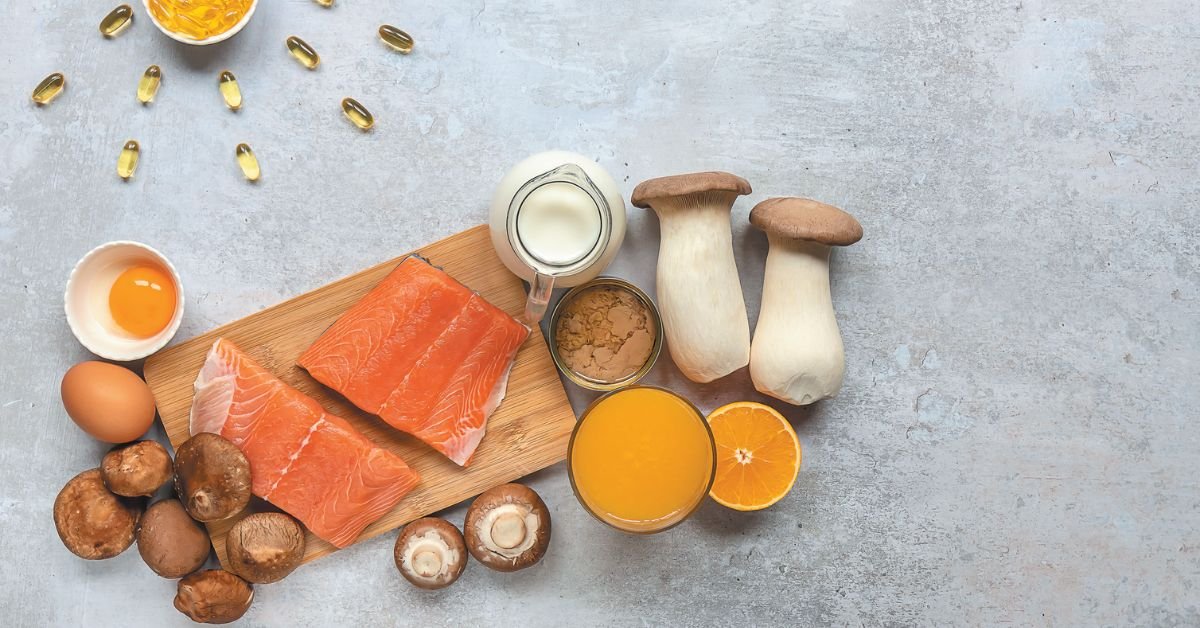
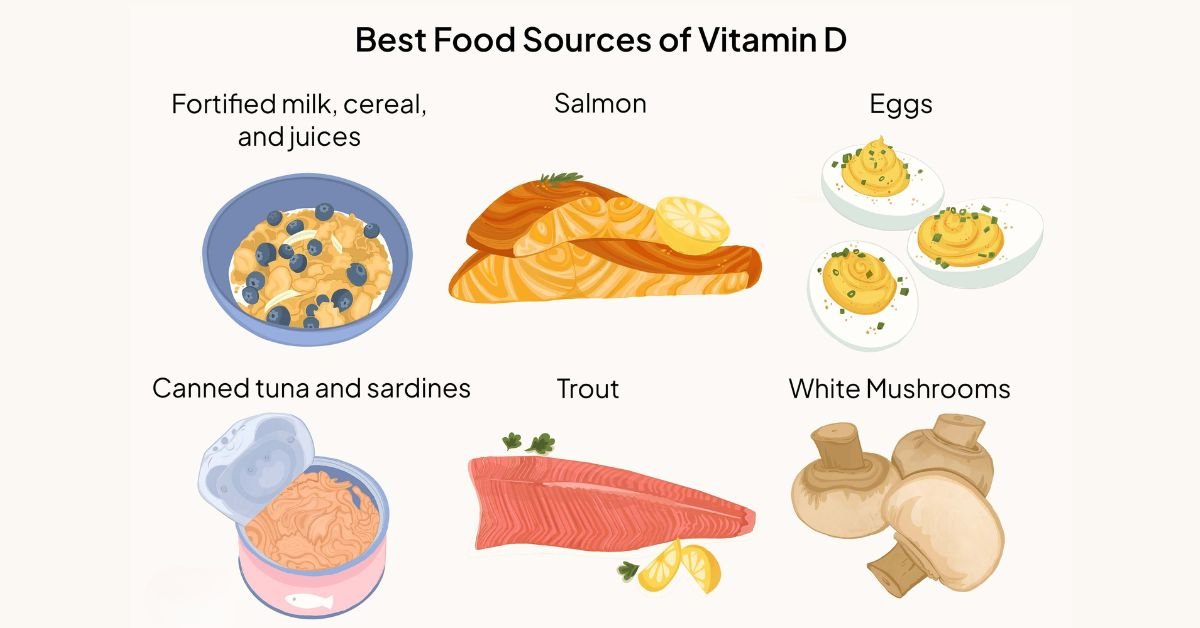
Fatty fish like salmon, mackerel, sardines, rohu, or katla are gold; aim for 3-4 servings a week to ramp up D3 levels.
Whole eggs (yolk included) daily add a steady boost. For iron and ferritin, goat or chicken liver is unbeatable; just once a week can shift those stores.
Mutton or red meat, 2-3 times weekly, provides heme iron that’s easily absorbed.
Do not forget calcium heroes: Small bone-in fish like sardines or anchovies deliver it naturally, perfect for Indian curries or stir-fries.
Prawns are another easy add.
Pro Tip: Pair iron-rich meals with vitamin C (lemon juice or oranges) to enhance absorption, and skip tea/coffee for an hour around meals, as they can block absorption.
For variety, try canned tuna or sardines, affordable and convenient.
If you are coastal, fresh river fish fit right in.
Remember, food alone will not fix severe cases, but it is key for maintenance.
Smart Supplementation: What Doctors Suggest
For confirmed deficiencies (below 20 ng/mL; severe, below 12), supplements are a must.
Typical Indian protocols start with a loading dose: 60,000 IU of D3 weekly for 8-12 weeks, then 1,000-2,000 IU daily to maintain.
Pair it with K2 to direct calcium to bones rather than arteries.
No need for extra calcium pills if diet is solid and D is up, your body handles it better.
For iron, focus on diet first; if needed, supplements with C can help.
Always retest after 3 months under a doctor’s watch. Kids and pregnant women might need tailored doses.
Moreover, hey, do not overdo it, toxicity is rare but possible above 100 ng/mL.
A Practical Weekly Plan To Get Started
Here is a simple, realistic routine to weave in fixes:
- Monday-Wednesday-Friday: Fatty fish meal (e.g., grilled mackerel or sardine curry) + daily egg.
- Tuesday-Thursday: Mutton or chicken stir-fry; add prawns if available.
- Saturday: Goat liver dish, keep portions small for max impact.
- Sunday: Bone-in small fish; relax with a vitamin C-rich salad.
- Daily: 15-20 minutes morning sun, arms and legs out (before 10 AM to avoid harsh rays).
- Ongoing: Weekly supplement as prescribed; pair meals with lemon, avoid caffeine blockers.
Adjust for preferences while maintaining consistency.
Track how you feel, energy up, aches down?
Wrapping It Up: Take Charge Today
Vitamin D deficiency might be silent, but it is not unbeatable.
With India’s unique mix of sun and challenges, small steps like adopting better sun habits, eating nutrient-packed meals, and taking timely supplements can make a world of difference.
Your body has an amazing knack for bouncing back when given the right tools.
If this resonates, why not get a quick blood test? It is the best first step.
Moreover, hey, swing by THOUSIF Inc. – INDIA for more down-to-earth health reads.
We have plenty of nutrition, wellness, and preventive tips to keep you thriving.
Stay healthy out there!
About Author