
Table Of Contents
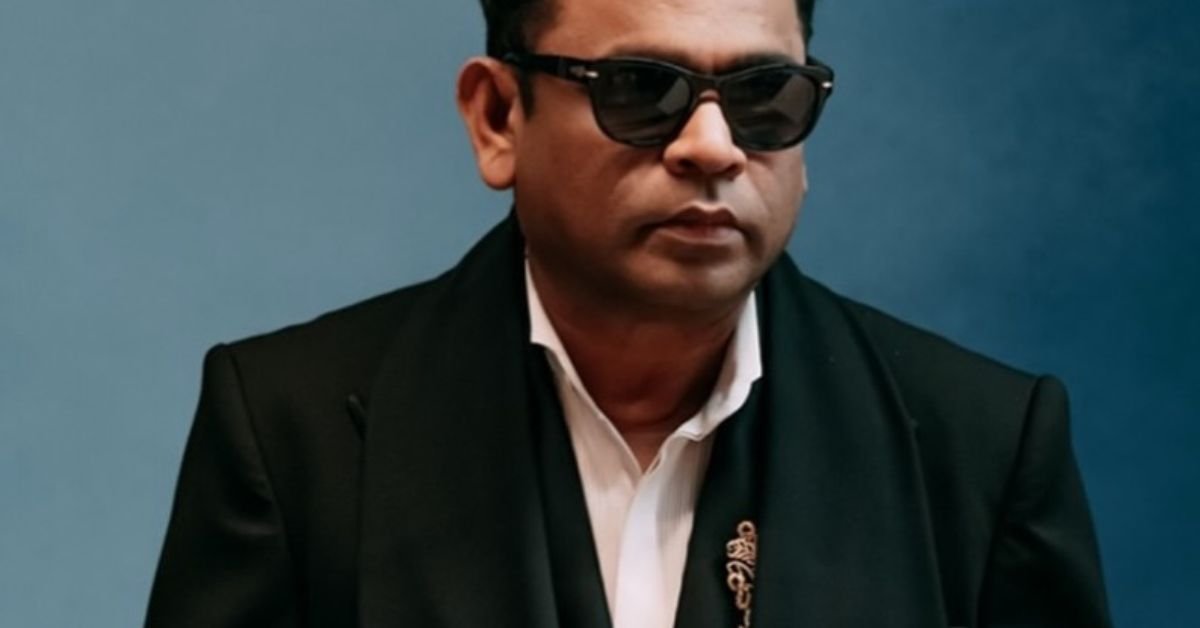
A.R. Rahman
Music fans, let us talk about something that often sparks lively debates in the world of Indian cinema: similarities in film songs.
A.R. Rahman, the genius behind countless chart-toppers and two Oscars, is known for his unique fusion of Indian classical, folk, global pop, and electronic sounds.
His style revolutionised Bollywood and Tamil music, but like many composers, some of his tracks have been compared to existing pieces over the years.
It is important to note upfront that these are mostly allegations or fan observations, often from online forums and music enthusiast sites.
Music inspiration is common across the world; artists build on what came before.
Rahman has far fewer such discussions compared to many peers, and most claims label similarities as “inspirations” rather than outright copies. Only a few have led to legal disputes.
We will look at some of the most frequently mentioned ones with context for a fair view.
Notable Songs And Discussed Similarities
Here is a curated list of some well-known examples drawn from popular discussions over the years.
Many date back to Rahman’s early career in the 1990s, when global influences were freshly entering Indian film music.
| Song | Film | Similar | Context |
|---|---|---|---|
| Ishq Bina | Taal (1999) | Don McLean’s “Vincent (Starry Starry Night)” | One of the most cited; the English version “Love’s Never Easy” highlights melodic overlaps, especially in the chorus. Often seen as inspiration. |
| Veera Raja Veera | Ponniyin Selvan 2 (2023) | Dhrupad composition “Shiva Stuti” by Junior Dagar Brothers | High-profile legal case; classical singer Ustad Faiyaz Wasifuddin Dagar claimed similarities. Court ruled in 2025 requiring costs/deposit, though Rahman maintains originality rooted in tradition. |
| Pudhu Vellai Mazhai | Roja (1992) | Yanni’s “Quiet Man” (1989) | Recent social media buzz; fans pointed out resemblances in melody. A fresh discussion on one of Rahman’s earliest hits. |
| Ottagatha Kattikko | Gentleman (1993) | Malgadi Shubha’s “Eddem Ante Teddam Antav” (1991) or older Malayalam folk tunes | Early career track; flow of opening lines noted as highly inspired, later enhanced in Rahman’s style. |
| Hello Mr. Ethirkatchi | Iruvar (1997) | Dave Grusin’s “Memphis Stomp” (The Firm OST, 1993) | Piano intro sequence considered a direct lift; rest of the tune original. |
| Shakalaka Baby | Mudhalvan (1999) | Tracks by State of Bengal or Apollo 440 | Rhythm loops with an underground vibe; possibly from commercial samples, with Rahman’s improvisations. |
| Thillana Thillana | Muthu (1995) | Deep Forest’s “Night Bird” | Opening African-style humming similar; limited to initial part. |
| Sevvanam | Pavitra (2013) | Wham’s “Wake Me Up Before You Go-Go” | Background elements and feel compared in older forums. |
These examples come from dedicated music analysis sites and fan comparisons.
In most cases, only specific parts, like intros, rhythms, or beats, show overlaps, while the overall composition remains distinctly Rahman’s.
Understanding Inspiration In Music
Rahman’s magic lies in blending diverse influences: Western pop, African rhythms, Middle Eastern scales, and Indian ragas.
In the 90s, when he burst onto the scene, access to international music grew, leading to more fusion experiments.
What some call “copying,” others view as homage or evolution.
Rahman has spoken about drawing from global sounds to create something fresh for Indian audiences.
Notably, his work has inspired others, too; Hollywood films have sampled his tracks, and international artists have covered his songs.
Legal wins for plagiarism against him are rare; the Ponniyin Selvan case stands out because it involved traditional classical roots.
Why These Debates Persist
Online platforms amplify side-by-side comparisons, turning minor similarities into big deals.
However, Rahman’s catalog of over 200 films is overwhelmingly praised for originality.
Hits like “Jai Ho,” “Chaiyya Chaiyya,” and “Kun Faya Kun” are celebrated worldwide without such shadows.
Trivia
Did you know that A.R. Rahman was the first Indian to win two Oscars in one night? His score and song for Slumdog Millionaire in 2009 marked a global milestone, proving his innovative sound transcends borders.
Final Thoughts
These discussions add an extra layer to appreciating music, but they do not overshadow A.R. Rahman’s incredible contributions.
His melodies have defined generations, evoked deep emotions, and united cultures.
Whether through pure creation or masterful fusion, his legacy shines bright.
What is your favourite Rahman song, and have you noticed any fun similarities? Share in the comments, we love hearing from fellow fans!
For more engaging stories on music legends, film insights, and cultural topics, browse our other articles here at THOUSIF Inc. – INDIA.
More tunes and tales await!
About Author