
Table Of Contents
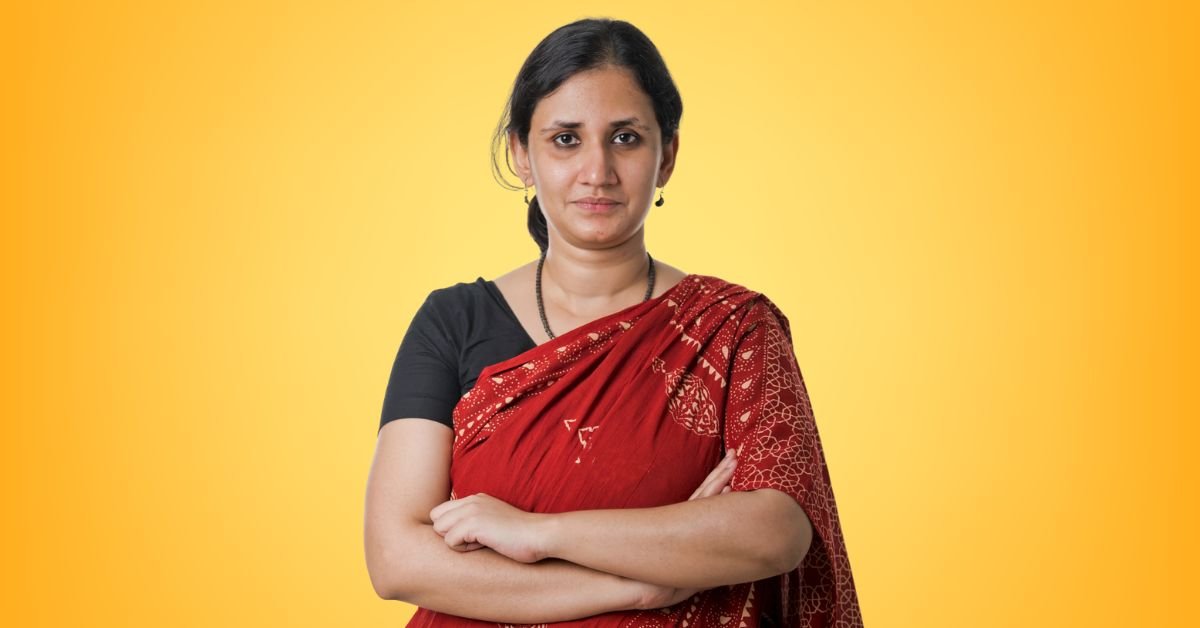
Meera Visvanathan
Have you ever wondered how we really know about life in ancient India, beyond the grand kings and empires?
It is through quiet clues like stone inscriptions that historians piece together the everyday world of people thousands of years ago.
That is where scholars like Meera Visvanathan shine.
She is one of those dedicated experts who make the past feel alive and relevant today.
Meera Visvanathan is an acclaimed historian specializing in early India, with a sharp focus on epigraphy, the study of ancient inscriptions.
She is an Associate Professor in the Department of History and Archaeology at Shiv Nadar Institution of Eminence in India.
Her work digs deep into the social fabric of ancient societies, looking at things like caste, gender roles, writing systems, and how people interacted through gifts and endowments.
What makes her stand out is her ability to turn dry stone carvings into fascinating stories about real people.
She does not just study rulers; she uncovers the lives of ordinary donors, scribes, and communities who left their marks on rocks and caves.
Her Journey Into History
Meera’s academic path led her to earn her Ph.D. in Ancient History from the prestigious Jawaharlal Nehru University in New Delhi in 2014.
Her doctoral research centered on early Brahmi votive inscriptions from around 300 BCE to 250 CE.
These are some of the earliest written records in India, often short notes about donations to Buddhist or Jain sites.
Before that, she completed an M.Phil. at JNU, exploring how writing, gifting, and identities intertwined in these ancient texts.
Her passion for historical linguistics, manuscript studies, and classical Indology shows in everything she does.
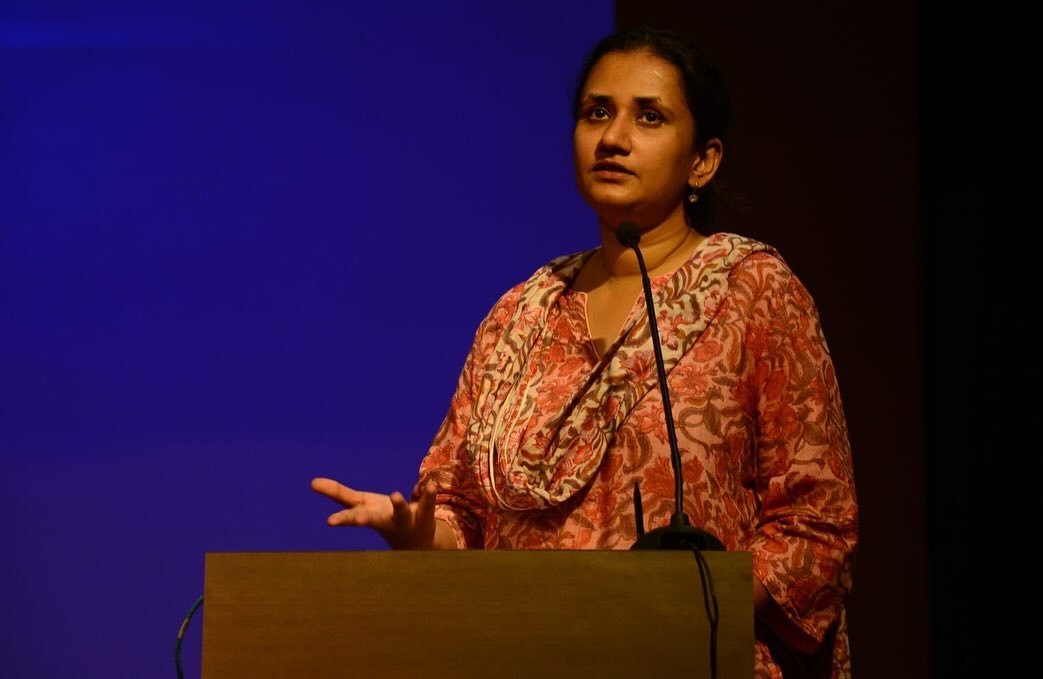
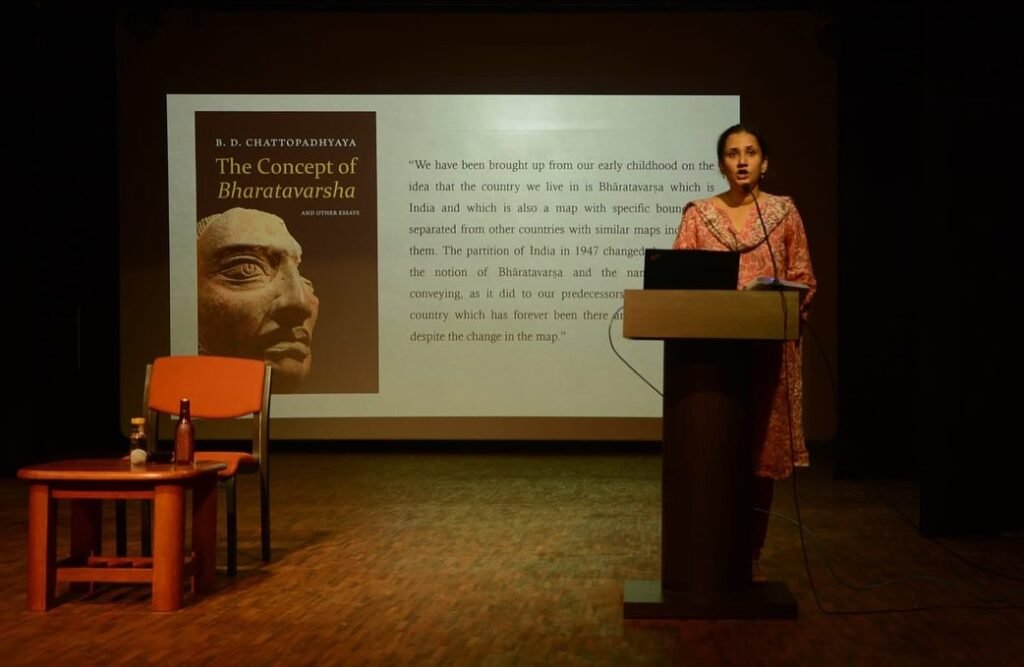
Today, at Shiv Nadar University, Meera teaches and researches, inspiring students to think critically about how we interpret the ancient past.
She emphasizes that history is not just facts; it is about understanding the contexts and voices behind them.
What She Researches And Why It Matters
Meera’s expertise lies in the early historic period of India, especially after the Mauryan Empire (post-Aśoka era).
This was a time when writing exploded across the landscape, with thousands of inscriptions popping up in caves, on pillars, and at religious sites.
Key areas of her research include:
- Epigraphy and Writing Systems: How Brahmi script evolved and spread, and what it tells us about literacy and communication.
- Social History: Exploring caste structures, gender dynamics, and family descent in ancient records.
- Gifts and Endowments: Many inscriptions record “eternal” donations (like the akhayanivi) to support monks or temples forever. Meera examines these as windows into the economy, piety, and power.
- Scribes and Society: From lekhaka (writers) to early kayasthas, she studies the role of scribes in courts and communities between 200 BCE and 200 CE.
Her work challenges simple narratives.
For instance, while many focus on Aśoka’s famous edicts, Meera highlights the boom in personal donations that followed, showing a more diverse, decentralized society supporting Buddhism and Jainism.
Notable Contributions And Publications
Meera has authored and co-edited several influential works.
Here are some highlights:
- Co-editor of The Social Worlds of Premodern Transactions: Perspectives from Indian Epigraphy and History (2020), which looks at land grants and economic exchanges through inscriptions.
- “Uṣavadāta’s Akhayanivi: The Eternal Endowment in the Early Historic Deccan” (2018) delves into perpetual gifts.
- “From the Lekhaka to the Kāyastha: Scribes in Early Historic Court and Society” (2014) is a key paper on the evolution of writing professionals.
- Contributions to Oxford Bibliographies on early historic inscriptions.
- Thought-provoking reviews and essays, including critiques of popular history-writing trends.
She’s also created educational materials on topics like Aśoka’s Dhamma, early Tamil society, and bhakti movements for online lectures.
Beyond academia, Meera engages the public.
She wrote a sharp piece for The Caravan magazine, critiquing attempts to rewrite India’s past through selective lenses.
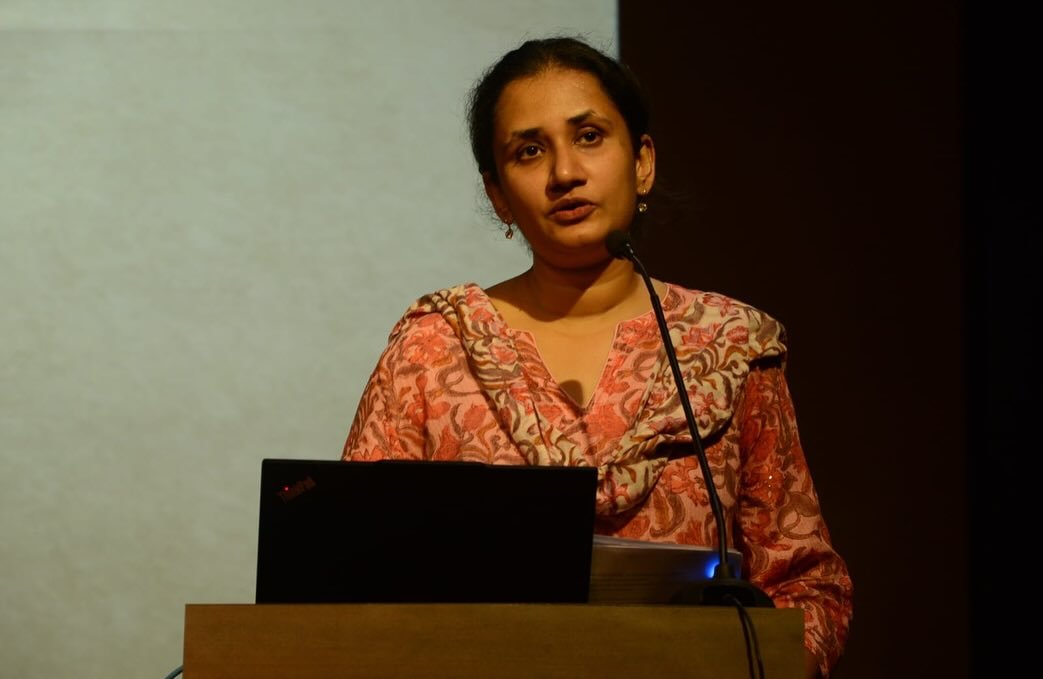
More recently, she appeared on popular podcasts, discussing early India’s social structures with humor and depth, making complex history accessible to everyone.
Trivia
Did you know that many early Indian inscriptions were not from kings but from everyday people, like merchants, families, and even women, donating to religious sites? Meera’s research reveals this “democratization” of writing, where non-elites could leave permanent records of their generosity, challenging the idea that ancient history was only about the powerful.
Wrapping It Up
Meera Visvanathan is more than a historian; she is a bridge connecting us to ancient voices that might otherwise stay silent.
Through her careful, insightful work on inscriptions, she helps us appreciate the richness and complexity of early Indian society, from evolving scripts to enduring social questions.
If you are fascinated by ancient history or just curious about India’s roots, her contributions are a great place to start.
They remind us that the past is not static; it is full of lessons for today.
Thanks for reading!
If you enjoyed this dive into the world of a remarkable historian, check out more inspiring profiles and stories on THOUSIF Inc. – INDIA.
We would love to hear your thoughts in the comments.
What part of ancient India intrigues you the most?
About Author