Table Of Contents
The images and reports from Gaza are heartbreaking.
As of late February 2026, Gaza‘s Health Ministry reports over 72,000 Palestinians killed and more than 171,000 injured since October 2023, with independent estimates in journals like The Lancet suggesting even higher figures for violent deaths.
Children, families, and entire communities have suffered immensely amid ongoing conflict.
Against this backdrop, Prime Minister Narendra Modi‘s two-day visit to Israel on February 25-26, 2026, raised tough questions: Why now? Why meet Benjamin Netanyahu? This trip has divided opinions, with some hailing it as a strategic win for India and others calling it a betrayal of long-held values.
Drawing on official statements, global reports, social media buzz, and expert analyses (updated as of February 28, 2026), let us break it down in simple terms: the highlights, benefits, criticisms, and the bigger picture.
What Happened During The Visit?
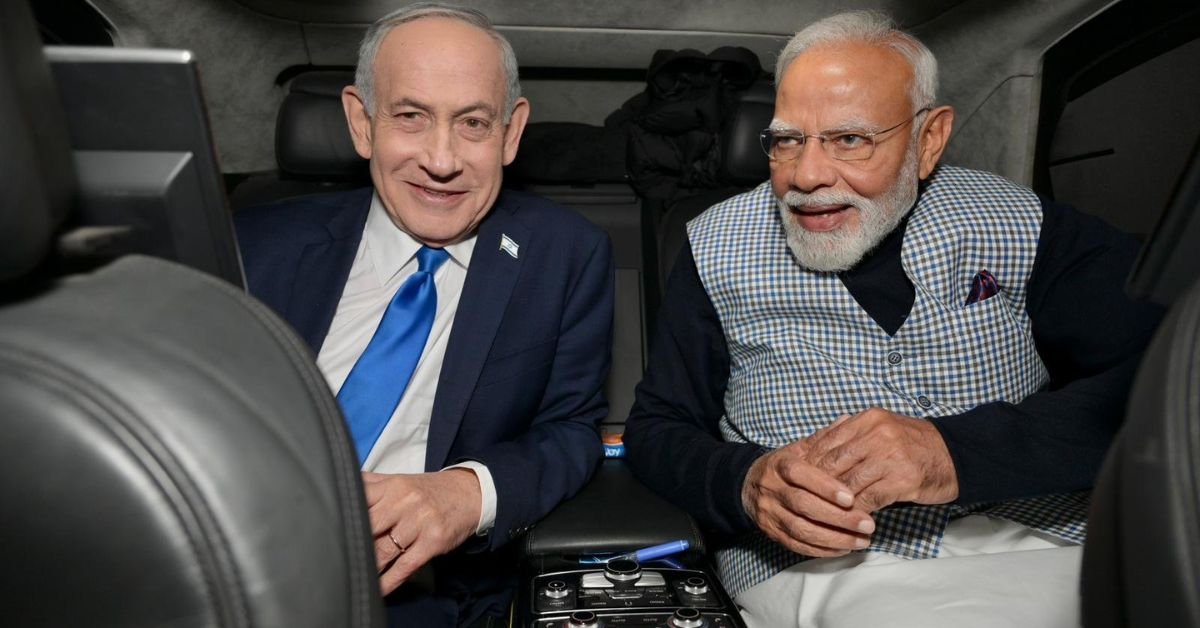
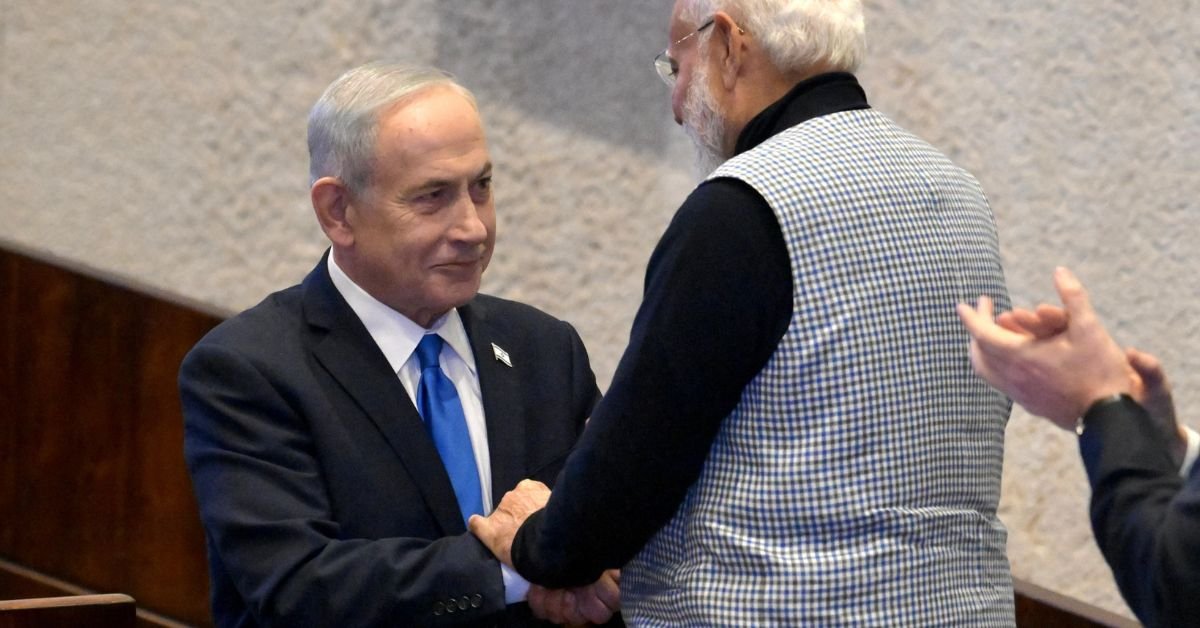
Modi arrived in Tel Aviv for his second official visit as PM (the first was in 2017).
He met Netanyahu, visited the Yad Vashem Holocaust memorial to honor victims, and became the first Indian leader to address Israel’s Parliament (Knesset), where he received a standing ovation.
The two leaders upgraded bilateral ties to a “Special Strategic Partnership for Peace, Innovation & Prosperity,” signing 16 agreements and announcing 27 outcomes across defense, technology, agriculture, and trade.
In his speeches, Modi condemned terrorism, referencing the October 7, 2023, Hamas attack on Israel and a 2025 incident in Kashmir.
He supported the US-backed Gaza Peace Plan (endorsed by former President Trump), describing it as a path to “just and durable peace” that addresses the Palestinian issue.
Notably, he did not directly reference the high civilian death toll in Gaza, which has fueled much of the backlash.
The event featured symbolic gestures: The Knesset was lit in India’s tricolor, and there were public displays of camaraderie between the leaders.
Media like The Jerusalem Post highlighted the “historic” nature, but global outlets focused on the timing amid Gaza’s crisis.
- India-Israel Special Partnership: Modi-Netanyahu Summit
- Netanyahu Hails PM Modi As ‘Brother’ In Knesset Speech
The Strategic Wins: What India Gains
From India’s perspective, the visit is about practical needs in a volatile world, securing borders, boosting agriculture, creating jobs, and advancing technology.
Israel, known for its innovations in defense and arid farming, aligns well with these goals.
Here is a closer look:
- Defense And Security Enhancements: New deals potentially worth $10 billion for joint production of missiles, drones, radars, and cyber tools. Israel supplies about 13% of India’s arms imports (behind Russia’s 36% and France’s share), but this includes proven tech like Heron drones and Barak missiles, which have been used in operations against threats from China and Pakistan. The agreements emphasize “Make in India,” meaning local manufacturing that creates jobs and reduces dependency.
- Agriculture And Water Solutions: Expanded cooperation on drip irrigation and precision farming through innovation centers. Israel has already helped over 1 million Indian farmers via 35 Centres of Excellence, saving up to 60% water and increasing yields by 30-50% in drought-prone areas. This is crucial for regions facing climate challenges.
- Jobs And Economic Ties: Up to 50,000 additional work visas for Indians in Israel over the next five years, focusing on manufacturing, services, and caregiving. UPI payments will now work in Israel, easing things for tourists and students. Free Trade Agreement (FTA) talks are accelerating, aiming to grow bilateral trade from $5-8 billion (a small slice of India’s $1+ trillion total trade).
- Technology and Innovation: Collaborations in AI, cybersecurity, space (between ISRO and Israel’s space agency), and clean energy. This could spur startups and digital growth in India.
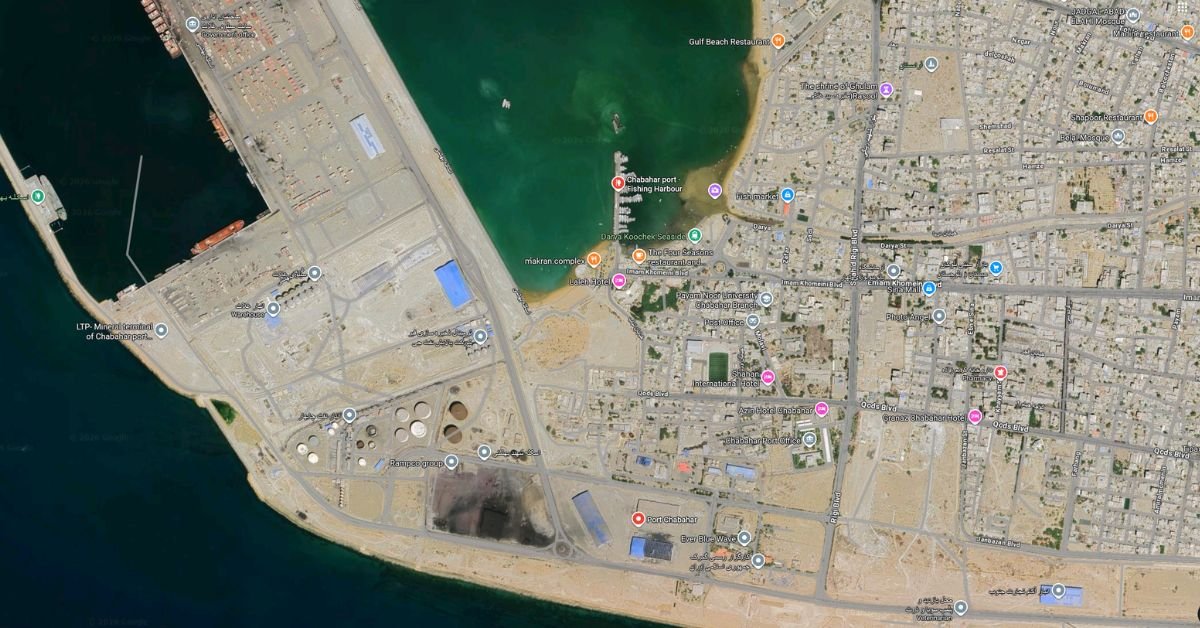
India maintains its sovereignty: It supports a two-state solution for Palestine (recognized since 1988), trades heavily with Arab nations like the UAE and Saudi Arabia for energy, and continues deals with Iran (like Chabahar port) and Russia (for oil and weapons), even amid Western sanctions.
The Controversies: Gaza’s Pain And Moral Questions
The visit’s timing has drawn sharp criticism, especially given the scale of suffering in Gaza, hospitals destroyed, aid blocked, and widespread displacement.
Many argue Modi should have postponed or used the platform to condemn civilian deaths more forcefully.
- Domestic Backlash: Opposition leaders were vocal. Congress MP Imran Masood called for Modi to address “the deaths of children in Gaza.” Priyanka Gandhi Vadra urged demanding justice in the Knesset. CPM’s Marian Alexander Baby labeled it a “betrayal of India’s anti-colonial legacy.” AIMIM chief Asaduddin Owaisi questioned the ethics amid Gaza killings, while Jairam Ramesh accused Modi of abandoning Palestine. In Kashmir, leaders saw it as ignoring similar struggles, linking it to surveillance and demolitions in India.
- Global Reactions: Outlets like Al Jazeera described it as support for Israel’s “genocide.” Middle East Eye called it an “embrace of fascism.” The BBC noted it tests India’s delicate Middle East balance. Iran’s Foreign Ministry criticized India for overlooking Palestinian suffering. Even in Israel, opposition parties partially boycotted Modi’s speech due to domestic politics.
- Deeper Concerns: The “Israel Model” In India: Analysts point to ideological parallels between Hindutva and Zionism, claiming India is adopting Israel’s tactics, like Pegasus spyware for surveillance, bulldozer demolitions of homes, and treating certain communities as “hostile.” Reports suggest Indian police have trained in Israel, and policies in Kashmir echo occupation strategies. Experts like Anwar Alam warn this “legitimizes apartheid,” eroding India’s moral standing in the Global South.
Social media reflects the divide: X posts amplify Owaisi’s criticisms, with users calling it “standing on the wrong side of history,” while others defend it on national security grounds.
Conspiracy Theories: Separating Fact From Fiction
Fringe narratives suggest Israel “controls” India through Mossad blackmail, Pegasus hacks, or links to Jeffrey Epstein‘s files (public since 2024, with no proven Modi involvement).
Claims include EVM tampering for elections, Rothschild influence on India’s economy, or Adani selling weapons to Israel.
Some label the alliance a “fascism and racism” bond against Muslims, importing “Islamophobia” like lynchings or discriminatory laws.
However, these lack solid evidence.
Pegasus was investigated by India’s Supreme Court, with no Mossad “control” proven.
Theories often draw from antisemitic tropes and circulate on social platforms without verification.
India remains the dominant partner: its economy is seven times Israel’s size, and arms deals are buyer-driven.
A Balanced Perspective: Security vs. Ethics
This visit highlights India’s evolving foreign policy, shifting from strict non-alignment to pragmatic alliances.
Pros include bolstering defenses against real threats and tech for development.
Cons involve risking ties with old friends like Iran, losing credibility in the Arab world and Global South, and moral compromises amid Gaza’s “genocide” accusations at the International Court of Justice.
As one analyst noted, Modi has “crossed a Rubicon” by fully embracing Israel, potentially at the expense of India’s anti-colonial roots.
Public opinion in India is split: some street views support it for security, while others decry its insensitivity.
Here is a quick comparison table:
| Aspect | Pros (Strategic View) | Cons (Critical View) |
|---|---|---|
| Defense | Joint tech strengthens borders | Aligns with state accused of war crimes |
| Agriculture/Jobs | Water-saving tools, 50K+ visas | Ignores Gaza’s humanitarian crisis |
| Foreign Policy | Diversifies partnerships | Betrays pro-Palestine legacy, hurts Arab ties |
| Ideology | Shared anti-terror focus | Promotes divisive “Hindutva-Zionism” bond |
One Interesting Trivia
Did you know? Israel’s covert support to India goes back to the 1962 war with China, when it supplied arms quietly despite no formal ties. This “hidden history” built early trust and has been declassified over the years.
Wrapping It Up
Modi’s 2026 Israel visit is a complex mix: Tangible gains for India’s security and economy, but overshadowed by Gaza’s profound tragedy and ethical debates.
Foreign policy often involves tough trade-offs, protecting national interests while upholding values.
Whether this was the right move depends on your perspective: Pragmatic progress or moral misstep?
What do you think? Share your views in the comments below.
Stay informed and thoughtful as global events unfold.
Jai Hind!
About Author