
Table Of Contents
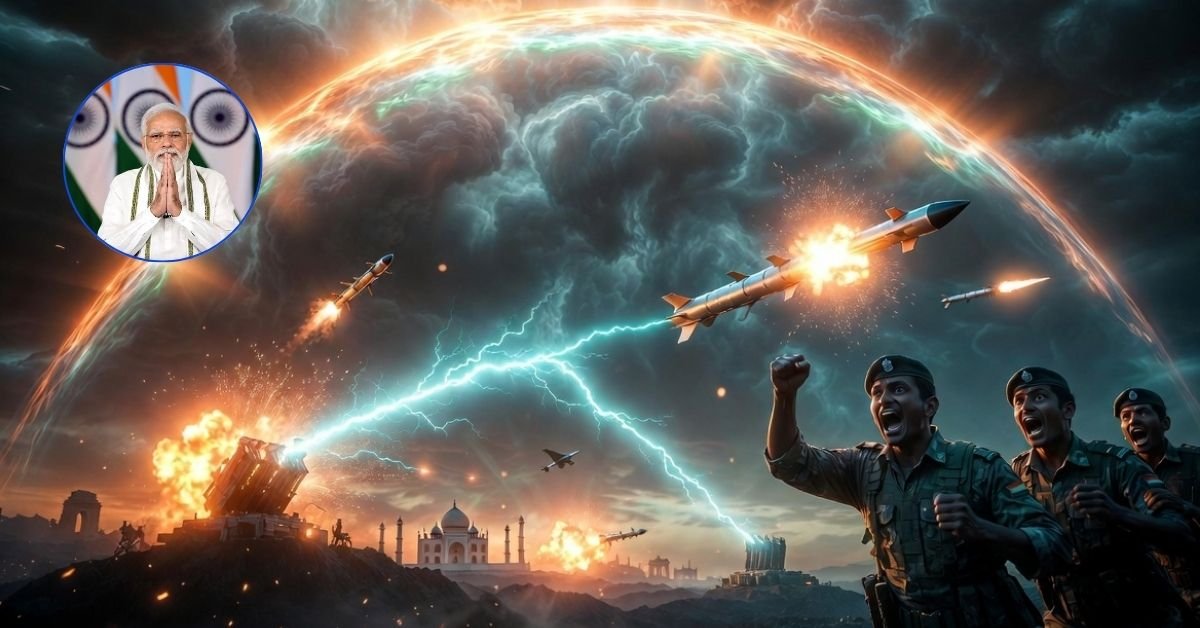
Narendra Modi Brings Iron Dome
Prime Minister Narendra Modi’s two-day visit to Israel on 25 February 2026 has delivered a major boost for India’s air defence.
Israel has agreed to full technology transfer of the Iron Dome short-range missile system and its advanced laser-based version, Iron Beam.
This is not an off-the-shelf purchase.
Indian companies will manufacture both systems in India, integrate them with existing platforms, and customise them for Indian conditions.
The expected package is valued at $8–10 billion, with an MoU to be signed during the visit.
What Iron Dome And Iron Beam Actually Do
Iron Dome has intercepted more than 90 % of rockets, mortars, and drones in real combat since 2011.
It uses radar to detect threats, calculates their path in seconds, and fires only when the projectile is heading toward populated or critical areas.
Iron Beam takes it further.
It uses a high-energy laser to destroy incoming threats at the speed of light.
Each shot costs just ₹150–800, compared to ₹40–80 lakh for a missile.
This makes it ideal against low-cost drone swarms that adversaries increasingly use.
Perfect Fit For Mission Sudarshan Chakra
India is building a comprehensive multi-layered air defence shield under Mission Sudarshan Chakra, aiming for full coverage by 2035.
The Israeli systems will form the short-range, low-cost layer that complements:
- Akash (medium range)
- Barak-8 (naval and land)
- S-400 (long range)
The result: one seamless system that handles everything from cheap drones to ballistic missiles.
Direct Benefits For India
- Lower Defence Costs: Laser shots provide sustained protection without depleting expensive missile stocks.
- Manufacturing In India: New production lines will create thousands of skilled jobs in defence corridors across Gujarat, Karnataka, Uttar Pradesh, and Telangana.
- Technology Gain: Indian engineers will master radar algorithms, laser systems, and command-and-control software.
- Border And City Protection: Faster response to threats along the Line of Control and Line of Actual Control, plus safer coverage for airports, power plants, and major cities.
- Self Reliance Boost: Full Atmanirbhar capability means India can export these systems in future.
Quick Comparison
| Feature | Traditional Missile | Iron Beam Laser | Benefit |
|---|---|---|---|
| Cost per interception | ₹40–80 lakh | ₹150–800 | Massive savings on routine threats |
| Best against | Rockets & mortars | Drone swarms | Handles modern low-cost attacks |
| Unlimited firing | No | Yes (needs power) | Sustained defence capability |
| Manufacturing | Imported | Made in India | Jobs + tech independence |
| Integration | Standalone | With Sudarshan Chakra | Complete national shield |
Trivia
The Iron Dome once intercepted 400+ rockets in a single day during the conflict, saving countless lives. Its laser version changes the economics of war: the old tactic of “flood with cheap rockets to exhaust expensive interceptors” no longer works.
This technology transfer marks one of the most significant defence collaborations in India’s history.
It strengthens security, creates jobs, and accelerates self-reliance – all at once.
Thanks for reading this clear, fact-based update.
For more straightforward explanations on defence, technology, and national developments, explore the other articles on THOUSIF Inc. – INDIA.
We keep it simple so every Indian can stay informed and proud.
About Author