
Table Of Contents
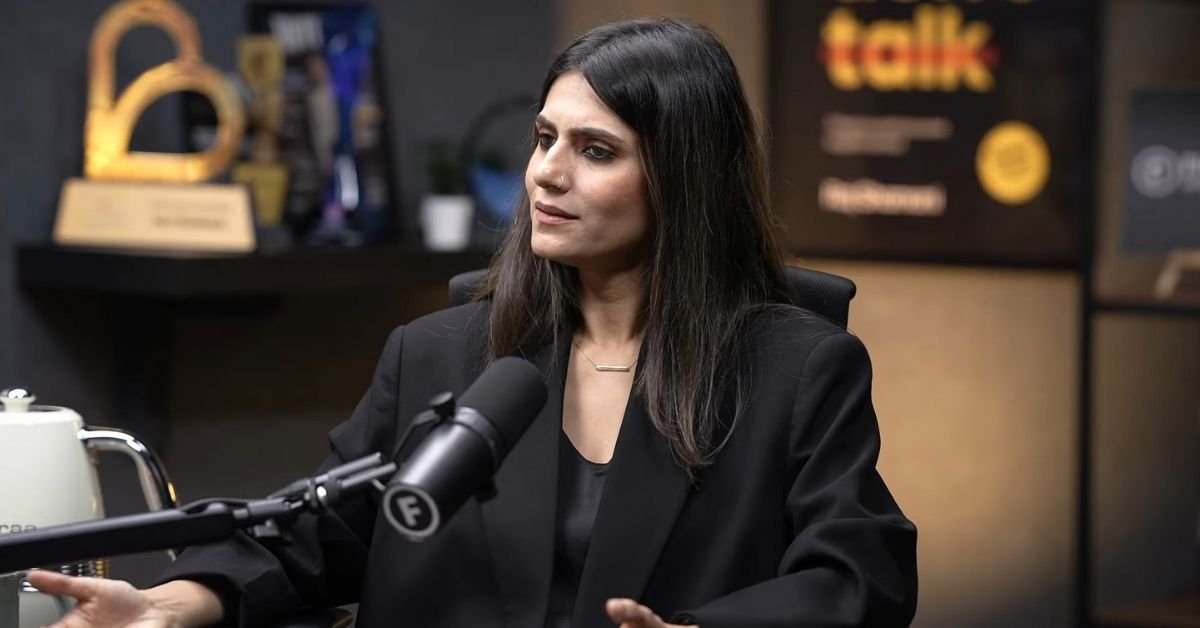
Snigdha Poonam
Hello there!
If you have ever picked up a book or article that made you pause and think, “This is exactly what is happening around us,” then Snigdha Poonam’s writing probably feels familiar.
At THOUSIF Inc. – INDIA, we are passionate about sharing stories of remarkable Indians who shine a light on the everyday realities shaping our country.
Snigdha Poonam is one such voice, clear, compassionate, and deeply rooted in the places many of us come from.
Whether you are a student wondering about career paths, a parent hoping for better opportunities for your kids, or simply someone curious about modern India, her work feels like a conversation with a wise friend.
Today, we are diving deep into her life, her books, and the lessons she offers us all.
Grab a cup of chai, settle in, and let us explore together.
A Childhood Built On Books And Resilience
Imagine growing up in tiny administrative blocks of what was then undivided Bihar, places so remote that electricity flickered on and off, and television was a distant dream.
That was Snigdha’s world in the early 1980s.
Her father’s job in the civil services meant the family moved often, sometimes to villages where the nearest town felt worlds away.
Instead of screens, books became her constant companions.
Her father would lose himself in English classics like Thomas Hardy’s tales of rural England, while her mother shared heartfelt Hindi and Urdu stories from writers like Munshi Premchand and Ismat Chughtai.
Snigdha read everything she could get her hands on, classics one day, true-crime stories the next.
Those frequent school switches between Hindi-medium and English-medium classrooms made her bilingual and tough.
By the time she was in ninth grade, when the family settled in Ranchi, she was already a curious observer of the world.
Middle-class pressure nudged her toward science.
She tried medical entrance coaching but did not make the cut.
A degree in Agricultural Sciences followed in Hyderabad, yet her heart was not in it.
News events like 9/11 and India’s opening economy pulled her toward stories and people.
That bookish, adaptable childhood planted seeds for the patient, immersive reporting she is known for today.
Stepping Into Journalism: Curiosity Meets Craft
After college, Snigdha moved to Bangalore and landed a copy-editor role at The Hindu.
Late-night shifts rewriting stories gave way to pitching her own pieces on local theatre and events.
She spent evenings browsing bookstores, soaking up long-form journalism from The New Yorker and The Caravan.
A move to The Caravan as assistant editor proved transformative.
Workshops with thinkers like Pankaj Mishra sharpened her skills.
One early assignment, posing as a user on online dating sites, flooded her inbox with messages from young men in small towns and villages.
It opened her eyes to a whole world of aspirations that mainstream English media often overlooked.
Soon, she was contributing columns to The New York Times on personality development classes and budding small-town authors.
An editor at Penguin suggested she follow a few “dreamers” over time.
Using Ranchi as her base, she spent years travelling, listening, and noting details.
Funding dried up occasionally, so she took side gigs, but the commitment paid off.
Her bylines later appeared in The Guardian, Granta, Financial Times, and more.
She even won recognition for investigating student suicides.
What stands out is her approach: she does not just report facts, she lives the stories.
Whether chatting with cow-protection groups or sitting in content farms churning out viral lists, she builds trust slowly and honestly.
Dreamers: Capturing A Generation’s Big Hopes
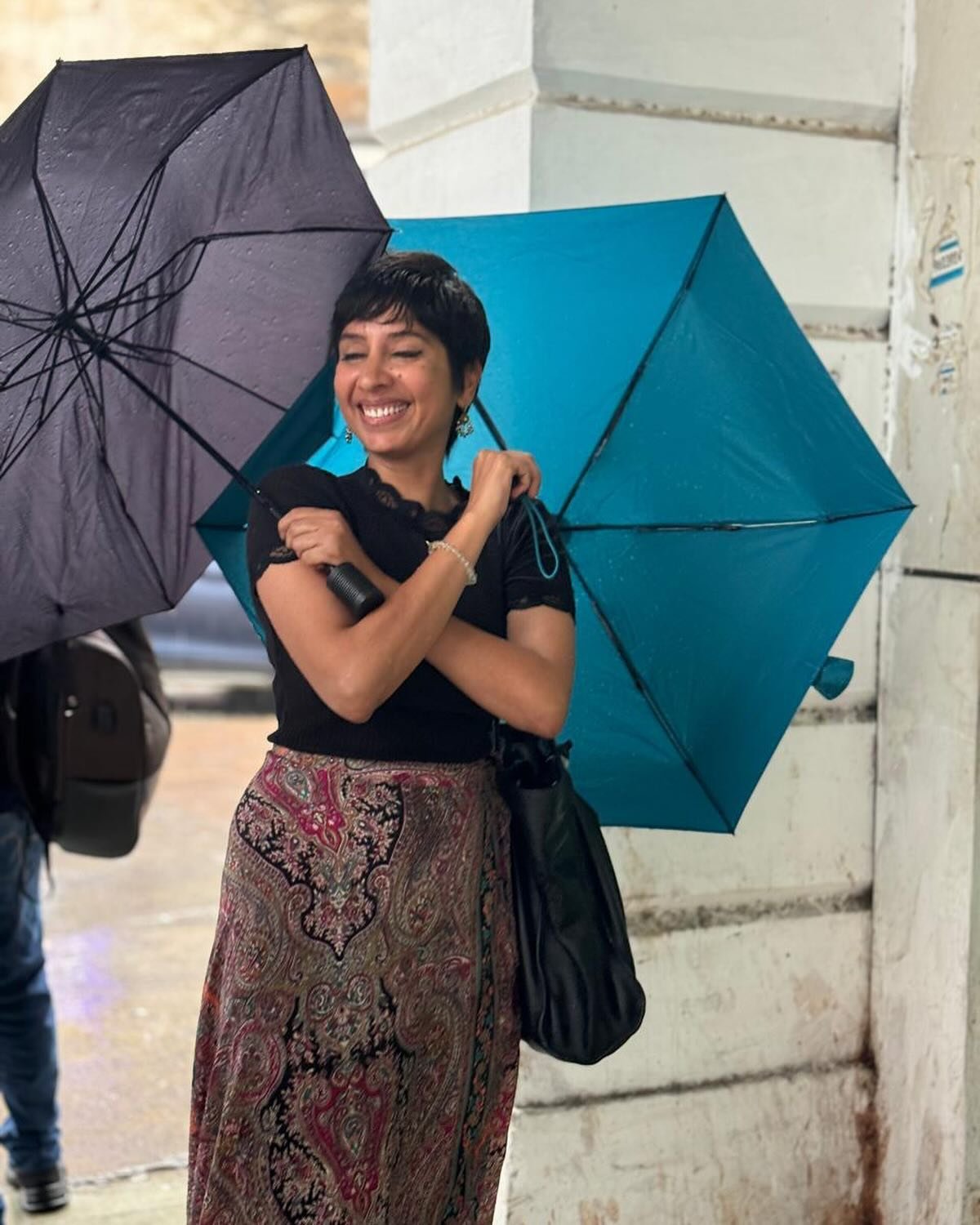
Published in 2018, Dreamers: How Young Indians Are Changing Their World follows young people in villages and small towns across north and central India.
The book is divided into sections, each zooming in on a handful of individuals.
You meet editors at a booming content farm in Indore, a teenage balloon seller who taught himself English by practising with call-centre workers at night, and others chasing politics, social media fame, or “respect” through moral policing.
Snigdha shows a generation raised with grandparents’ conservative values yet dreaming of American-style success, money, fame, and power.
She also highlights hard numbers: only a tiny percentage of India’s workforce has formal skills training, and many graduates struggle to find suitable jobs.
Without massive investments in education and employment, she warns, this could become a “scarred generation.”
Readers loved the book’s warm yet clear-eyed tone.
It won India’s Crossword Award for nonfiction and earned a spot on the longlist for the PEN America Literary Awards.
Many said it felt like meeting real friends on the page.
The work has even been optioned for screens, showing how universal these struggles feel.
Scamlands: Shining Light On A Shadow Economy
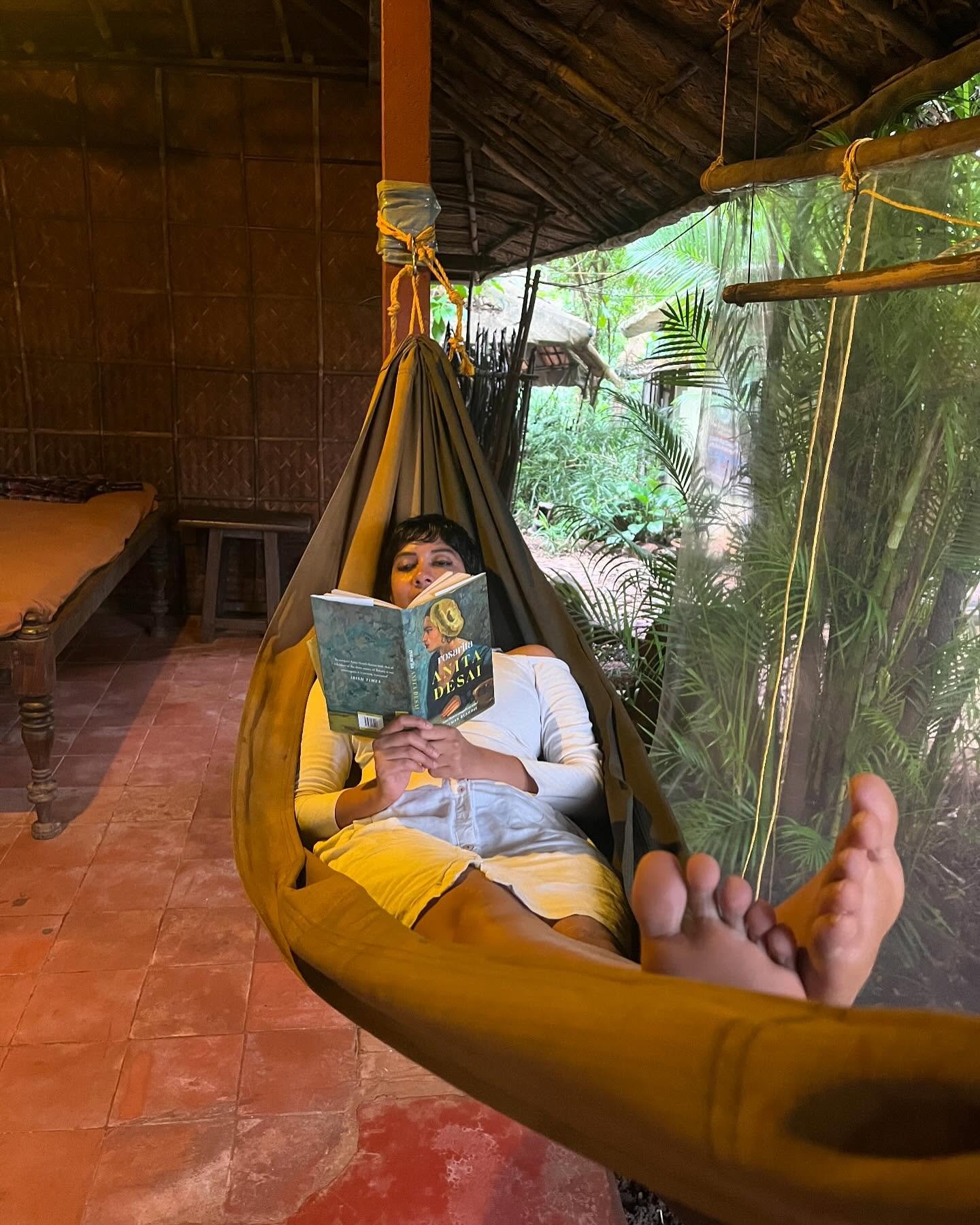
Building on threads from Dreamers, Snigdha spent nearly a decade tracing scams as an organised way of life.
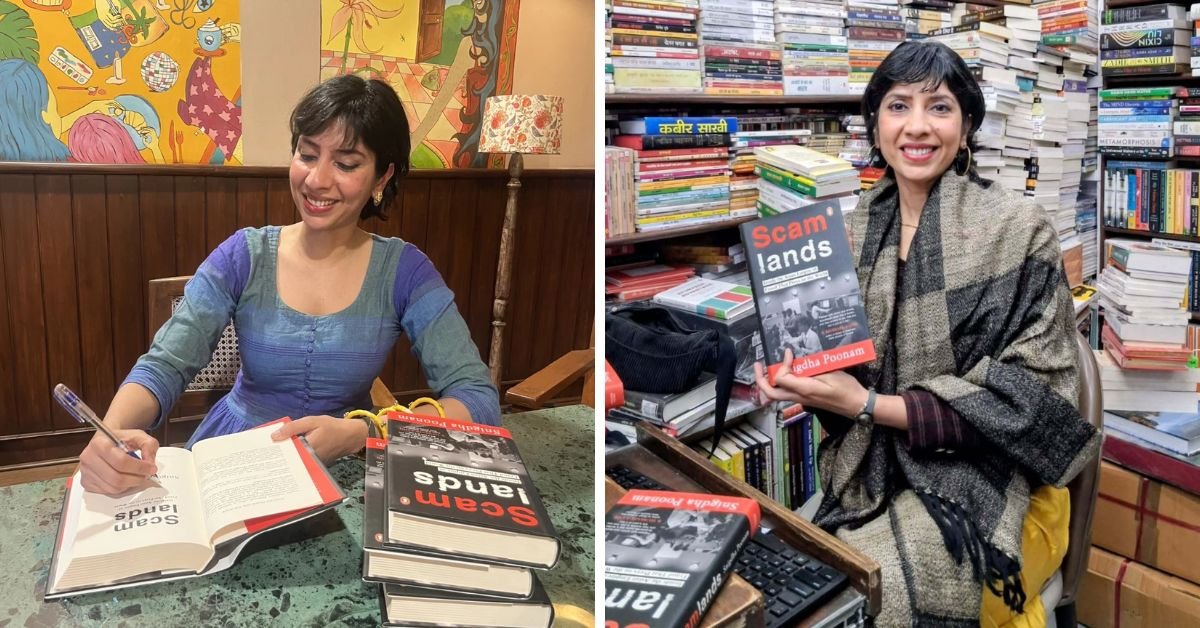
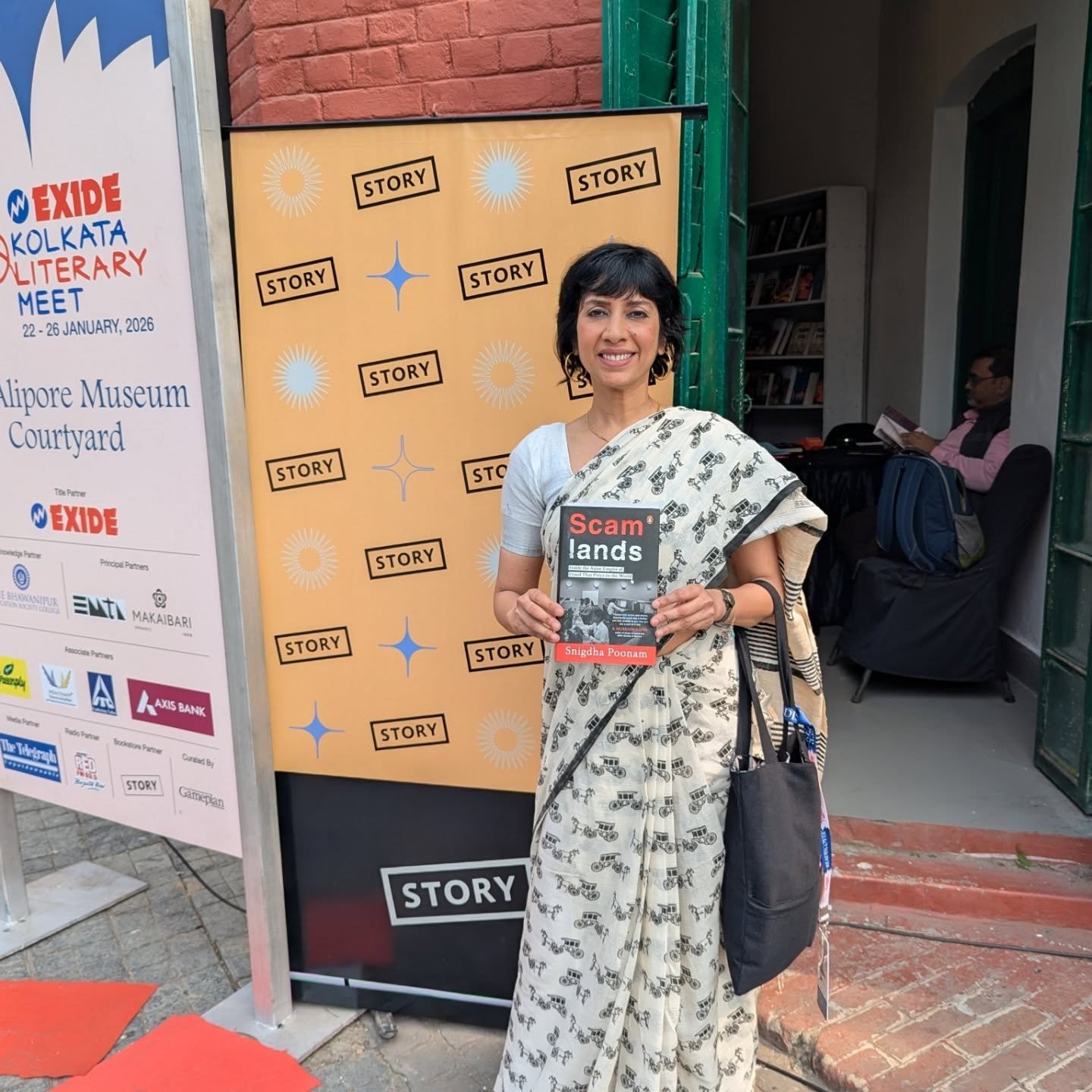
Her second book, Scamlands: Inside the Asian Empire of Fraud That Preys on the World, came out in October 2025.
It starts in familiar eastern Indian villages, places like Jamtara in Jharkhand, where entire communities participate in phishing calls.
It follows the trail to gleaming compounds near the South China Sea.
She explains scams simply: anything people desire (love, jobs, money) or fear (arrest, loss) can be twisted into a weapon.
In India, you see lottery greed, job offers that vanish after fees, and “digital arrest” calls that scare victims into transferring funds.
Entire villages play roles, panchayat leaders signing papers, doctors issuing fake certificates, and delivery workers collecting goods bought in a scam.
The transnational part gets darker.
Chinese-linked networks traffic English-speaking youth from countries like India to Cambodia or Myanmar.
Passports are taken, quotas enforced through harsh means, and targets include people worldwide.
Snigdha went deep: she joined Facebook and Telegram groups, built trust over months, used separate phones for safety, and even followed scam scripts (without completing any harm) to understand the training.
She points out how scams thrive on inequality, caste networks, and digital tools meant to help, like UPI or Aadhaar, when systems fail to deliver jobs or justice.
However, she never glorifies individuals; the focus remains on why so many see fraud as survival, or even agency, when formal paths close.
Recent 2026 discussions, including a thoughtful podcast, highlight how this “default response” reflects broader societal gaps.
Her latest Granta piece from November 2025, “The Thin Red Corridor,” returns to Jharkhand’s Maoist areas, linking insurgent history with Adivasi struggles, another example of her returning to her roots to understand today’s tensions.
Career Milestones At A Glance
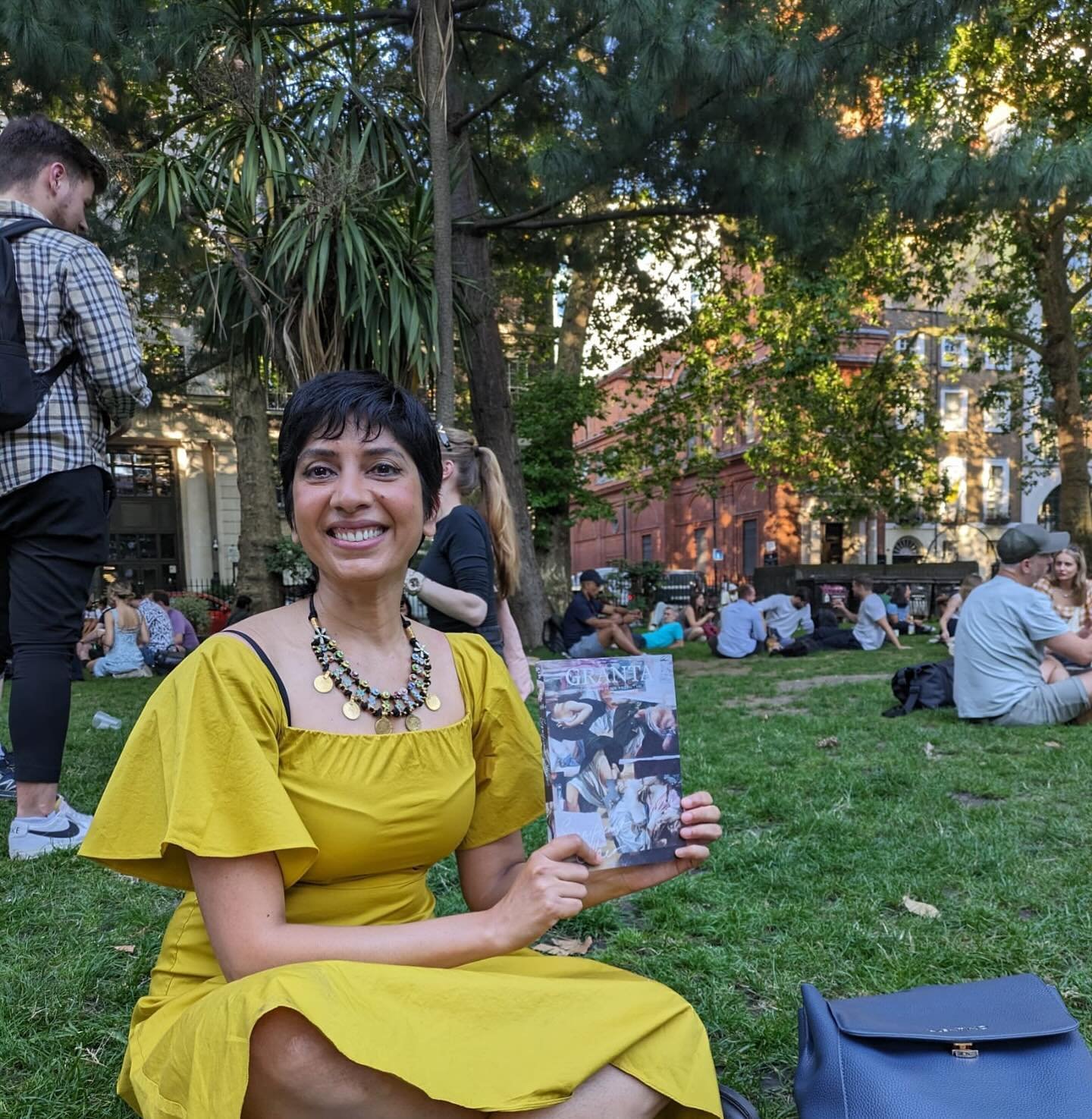
| Year | Milestone | What It Meant |
|---|---|---|
| Early 1980s | Born in remote Bihar blocks | Book-filled childhood amid frequent moves |
| 2000s | Schooling in Ranchi; Hyderabad degree | Shift from science to storytelling passion |
| ~2009 | Joins The Hindu as copy editor | First steps in newsroom, pitching stories |
| 2010–2014 | The Caravan assistant editor; NYT columns | Deep dive into small-town youth culture |
| 2015 | Essay prize runner-up | Recognition for sharp long-form writing |
| 2017 | Journalist of Change Award | Spotlight on student suicides |
| 2018 | Dreamers published; Crossword Award | National and international acclaim |
| 2023 | MacDowell fellowship | Focused time to complete Scamlands |
| 2025 | Scamlands released; Granta contributions | Global fraud networks exposed |
| 2026 | Podcast discussions on scam economies | Continuing conversations on India’s challenges |
Her Writing Style And Personal Touch
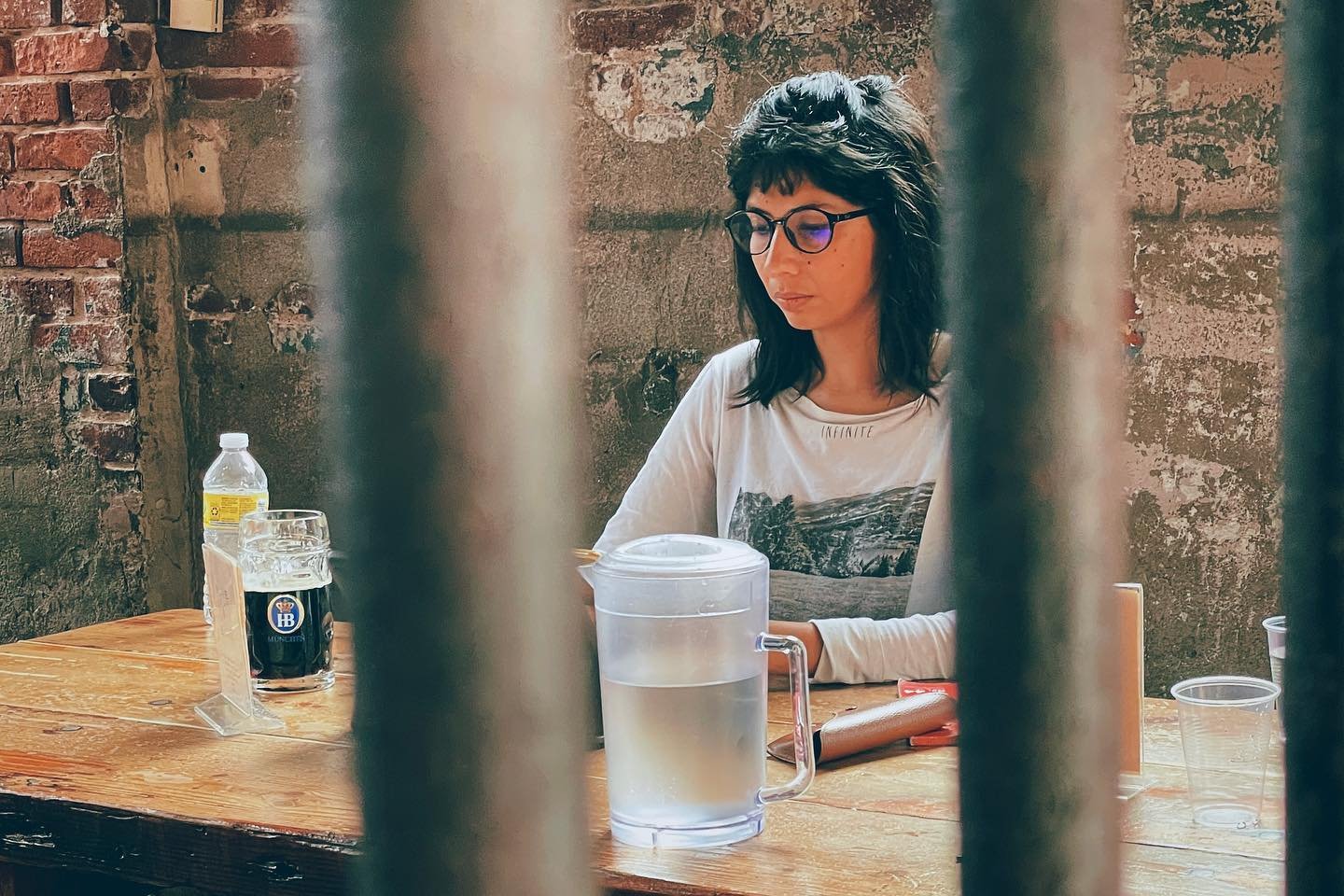
Snigdha writes like she talks, straightforward, warm, and full of empathy.
She explains complex ideas with everyday examples: a scam call feels scary because it plays on real fears, just as a dream job ad feels hopeful until it turns out not to be.
She stresses patience in journalism: big bylines come after years at the desk.
Her husband, economist Mihir Sharma, often helps spot bigger patterns in her reporting.
They split time between Oxfordshire and India.
In quieter moments, she mentions wanting to write something outside India next, perhaps exploring art or culture, and even teaching dance in her community, seeing it as a way to give back beyond books.
That blend of curiosity and care makes her work feel human.
She reminds us that behind every headline about growth or crisis are millions of personal stories worth hearing.
Interesting Trivia Fact
Here is a fun one that always makes readers smile: Growing up without reliable electricity or television, young Snigdha had zero screen time. Her entire entertainment and education came from books, sometimes read by lantern light. That early isolation sparked the deep curiosity that later led her into scam compounds and Maoist corridors, always listening first.
Wrapping Up
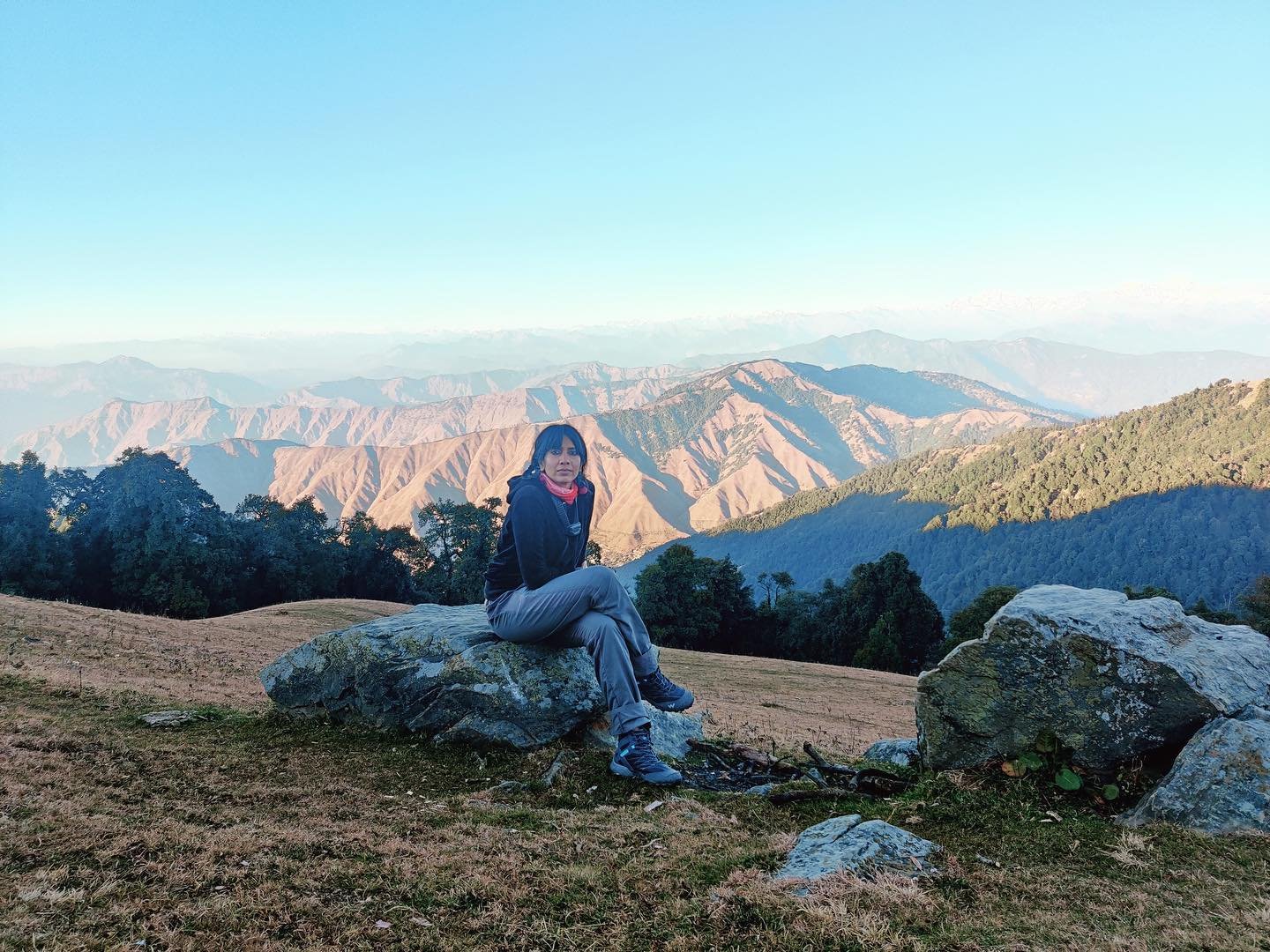
Snigdha Poonam’s story, from quiet Bihar evenings surrounded by books to shining a global spotlight on India’s youth and their shadows, shows what happens when curiosity meets courage.
Her books do not just inform; they invite us to care, to question, and to imagine better paths forward.
In a world full of quick takes, her patient, people-first approach feels refreshing and necessary.
At THOUSIF Inc. – INDIA, we believe stories like hers connect us all and spark meaningful conversations.
If this profile made you think differently about ambition, opportunity, or even the news you read, we would love for you to explore more of our articles on inspiring Indian voices, social changemakers, and everyday heroes shaping tomorrow.
Drop a comment below: What part of Snigdha’s journey resonated most with you? Maybe her bookish childhood or her fearless reporting? We read everyone and cannot wait to chat.
Until next time, keep dreaming big and reading deeply, see you in the next post!
About Author