
Table Of Contents
In today’s world, countries often team up to protect their citizens from threats such as terrorism.
One strong example is the partnership between Israel and India.
This involves Israel’s main spy agency, Mossad, and India’s Research and Analysis Wing (RAW).
They share secrets and work together to fight common enemies, such as extremist groups.
This friendship has been building for decades and helps both nations stay secure.
How It All Started
The story goes back to the 1960s when India was setting up its spy network.
In 1968, India’s Prime Minister Indira Gandhi asked the head of RAW, Rameshwar Nath Kao, to connect with Mossad.
She believed this would help India address threats from neighbors such as Pakistan and China.
Mossad, famous for its clever and tough spy operations, shared advice with RAW.
This support came during major conflicts, like the India-Pakistan wars in 1965 and 1971, where Mossad helped with secret missions and gathering information.
As time passed, their teamwork grew closer.
By the 1980s and 1990s, they even shared safe houses in New Delhi, where Mossad agents could stay and collaborate with RAW.
This was not just talk; it was hands-on cooperation that strengthened both agencies.
What They Do Together Today
Today, Israel and India exchange details about terrorist groups from regions like Pakistan and Iran.
They alert each other to potential attacks, helping prevent them before they occur.
In troubled areas like Kashmir, Israeli spies have been reported on the ground.
They conduct what is called “research” or assist in questioning suspects linked to terrorism.
This fits into their shared efforts to tackle militants.
Israel’s experience in similar conflicts proves valuable for India in handling Kashmir’s security challenges.
Technology is a key part of their bond.
Israeli companies provide India with advanced surveillance tools.
For instance, firms like Verint Systems supply systems for monitoring calls, videos, and more.
Verint has offices in India and contributes to projects such as safe city surveillance in Surat.
These tools are used in India’s Central Monitoring System to oversee telecom networks and spot threats.
They also train side by side.
Soldiers and spies from both countries learn from one another.
India buys a huge amount of weapons from Israel, including drones, missiles, and radars.
In fact, India is Israel’s top customer for arms, with deals worth billions.
Examples include the Barak 8 missile defense system and Hermes drones.
They even team up to build new tech in India through programs like “Make in India.”
Recent agreements highlight how solid this partnership is.
In 2025 and 2026, they signed deals worth up to $10 billion for missiles, drones, and AI tech.
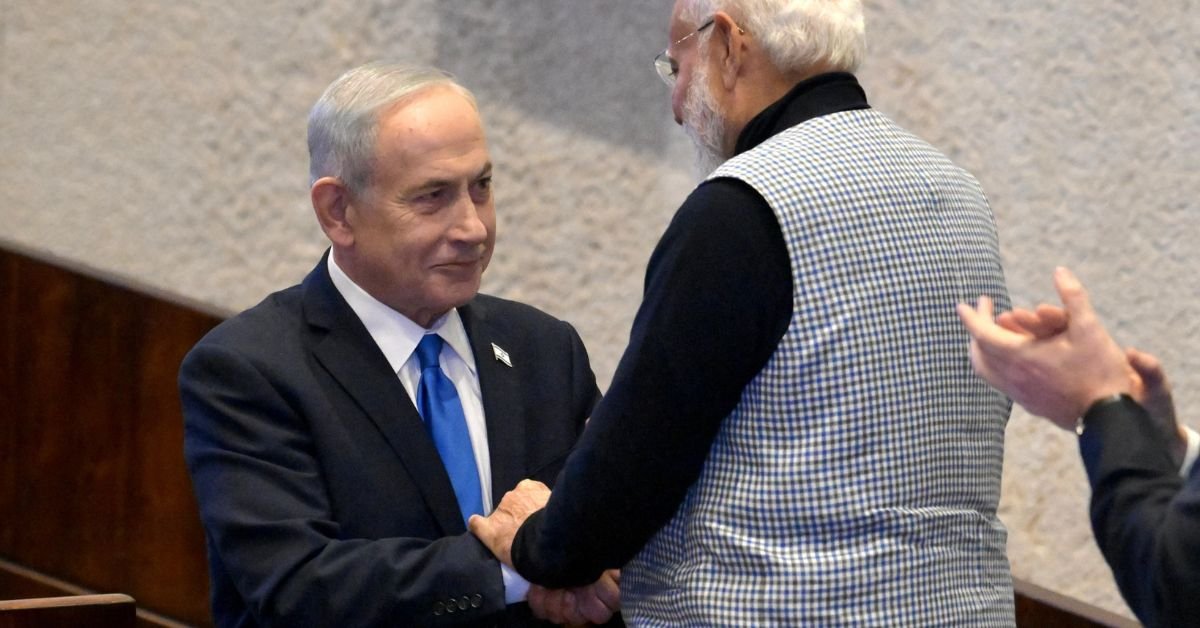
Visits by India’s Prime Minister Narendra Modi to Israel have strengthened ties between the two countries.
Now, they have a “Special Strategic Partnership” covering defense, technology, and beyond.
The Challenges And Debates
Not everything is perfect.
Privacy concerns have arisen, especially regarding spyware such as Pegasus from Israel’s NSO Group.
Reports claim it was used in India to hack phones of journalists, politicians, and activists secretly.
Groups like Amnesty International found evidence on Indian reporters’ devices as recently as 2023.
While the Indian government denies misuse, the Supreme Court has called for investigations.
This sparks questions about balancing security with people’s rights.
In Kashmir, some critics compare Israel’s involvement to its actions in Palestine, pointing to strict controls and real-world testing of weapons.
Organizations like Amnesty raise human rights issues.
However, both governments argue that these efforts are essential for protection.
Beyond security, their economic ties are massive.
They trade in diamonds, oil, and tech, amounting to billions, which further cements their relationship.
What The Future Holds
This alliance is poised for even more growth.
With rising threats such as cyberattacks and AI-driven conflicts, Israel and India will likely collaborate more closely.
They plan joint ventures in space, education, and business.
As the global landscape shifts, their teamwork helps them remain resilient.
In summary, the connection between Israel’s spy agencies and India is built on trust and common goals.
It began modestly but now spans defense, tech, and more.
Despite ongoing debates, it illustrates how nations can unite for a safer tomorrow.
About Author