
Table Of Contents
Dive into the details, key reasons, and what this means for justice in lengthy UAPA cases.
Hello everyone,
Today, January 5, 2026, the Supreme Court delivered a significant verdict in the long-running 2020 Delhi riots “larger conspiracy” case.
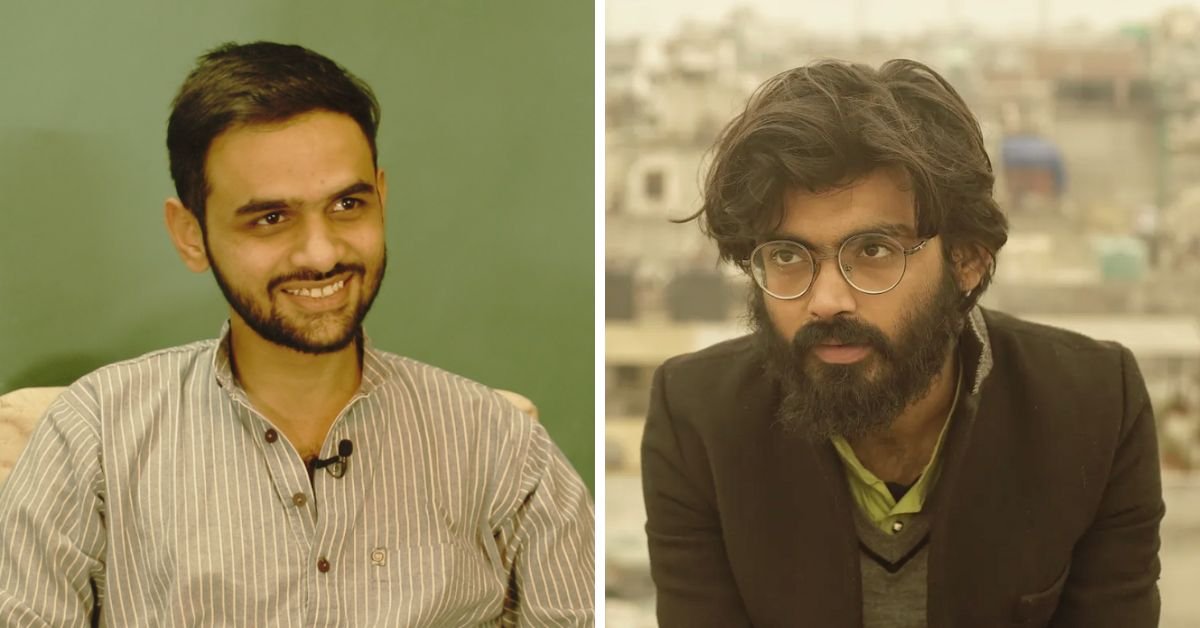
It is a decision that’s already sparking conversations across the country – bail denied for activists Umar Khalid and Sharjeel Imam, but granted to five co-accused after more than five years in jail.
If you have been following this case, you know it’s been emotionally draining for many families.
Let us break it down simply, step by step, so we can all understand what has happened and why it matters.
A Quick Background On The 2020 Delhi Riots Case
The case stems from the communal violence in northeast Delhi in February 2020.
Clashes broke out during protests against the Citizenship Amendment Act (CAA), leading to 53 deaths and hundreds injured.
The Delhi Police later alleged a “larger conspiracy” behind the riots, charging several activists under the stringent Unlawful Activities (Prevention) Act (UAPA) – a law meant for terrorism cases that makes getting bail extremely difficult.
Umar Khalid, a former JNU student leader, and Sharjeel Imam, a JNU scholar known for his speeches during the anti-CAA protests, were among those accused of masterminding the violence.
Others charged in the same FIR include Gulfisha Fatima, Meeran Haider, Shifa-ur-Rehman, Mohd Saleem Khan, and Shadab Ahmed.
All have been in jail since 2020-2021, waiting for a trial that still has not properly begun.
What Did The Supreme Court Say Today?
A bench of Justices Arvind Kumar and NV Anjaria heard the bail pleas and delivered a split decision:
- Bail Denied: For Umar Khalid and Sharjeel Imam. The court found prima facie evidence suggesting they played a “central and concrete role” in planning and mobilising protests that allegedly escalated into violence.
- Bail Granted: To Gulfisha Fatima, Meeran Haider, Shifa-ur-Rehman, Mohd Saleem Khan, and Shadab Ahmed – with 12 strict conditions they must follow.
The court emphasised that not all accused are on the same footing.
Some had supportive roles, while others appeared more central based on the prosecution’s evidence, including statements from protected witnesses.
Importantly, the judges said a delay in starting the trial cannot be a “trump card” for automatic bail under UAPA.
They allowed Umar and Sharjeel to reapply for bail after one year, or earlier if the cross-examination of protected witnesses finishes sooner.
| Name | Arrest Year (Approx) | Bail Status | Court |
|---|---|---|---|
| Umar Khalid | 2020 | Denied | Central role in planning/mobilisation |
| Sharjeel Imam | 2020 | Denied | Central role in planning/mobilisation |
| Gulfisha Fatima | 2020 | Granted (with conditions) | Supportive role |
| Meeran Haider | 2020 | Granted (with conditions) | Supportive role |
| Shifa Ur Rehman | 2020 | Granted (with conditions) | Supportive role |
| Mohd Saleem Khan | 2020 | Granted (with conditions) | Supportive role |
| Shadab Ahmed | 2020 | Granted (with conditions) | Supportive role |
Why This Decision Raises Tough Questions
Five years in jail without a trial – that is a long time for anyone.
Many legal experts and human rights groups have pointed out that prolonged detention without conviction goes against the principle that “bail is the rule, jail is the exception.”
Yet under UAPA’s Section 43D(5), courts must be satisfied there is no prima facie case before granting bail.
The court acknowledged constitutional protections but said the detention so far has not crossed the limit.
Still, people are asking: When does it cross the limit?
If five co-accused get bail now, why did they have to wait so long?
Moreover, what makes the evidence against Umar and Sharjeel so different?
We have seen similar patterns before.
In the same riot case, activists like Natasha Narwal and Devangana Kalita got bail in 2021, while others waited much longer.
Meanwhile, in completely different high-profile cases, convicted individuals sometimes get repeated parole. Think of the many paroles granted to certain religious leaders despite serious convictions.
It makes ordinary people wonder about consistency in the justice system.
Umar Khalid reportedly told his partner after the verdict:
“I am really happy for the others who got bail. This is life now.”
His father called it “very unfortunate.”
These human moments remind us that behind the legal jargon are real families enduring years of uncertainty.
Broader Implications For UAPA And Justice In India
UAPA cases often drag on for years with low conviction rates.
The law’s broad definition of “terrorist act”, which includes disrupting essential services or threatening the economy, gives prosecutors a wide scope.
Today’s verdict reinforces that courts will examine each accused individually, not treat everyone equally.
However, it also highlights a bigger issue: trial delays.
If cross-examination of protected witnesses (who cannot be questioned by the defence) must finish within a year, as the court hopes, that is progress.
However, with over 700 witnesses in some related cases, optimism is cautious.
This ruling could set a precedent for future UAPA bail pleas.
It tells us that strong prima facie evidence and an alleged leadership role can keep someone behind bars longer, even without a trial.
Trivia
Did you know that the 2020 Delhi riots remain one of the deadliest communal clashes in the capital since 1984? Most victims (around 40 out of 53) were from the Muslim community, according to official records – a heartbreaking reminder of how quickly protests can turn tragic.
Final Thoughts
Today’s Supreme Court decision brings relief to five families but continued pain for two others.
It underscores the tough balance between national security concerns and individual rights in terror-related cases.
Whatever your view on the allegations, five-plus years without trial should make us all reflect on how we can make justice faster and fairer.
At THOUSIF Inc. – INDIA, we believe in open discussions on issues that shape our nation.
What do you think about this verdict?
Feel free to share your thoughts (respectfully, of course).
Moreover, if you found this helpful, check out our other articles.
There is always more to explore.
Stay informed, stay kind.
About Author