
Table Of Contents
Aravalli Hills
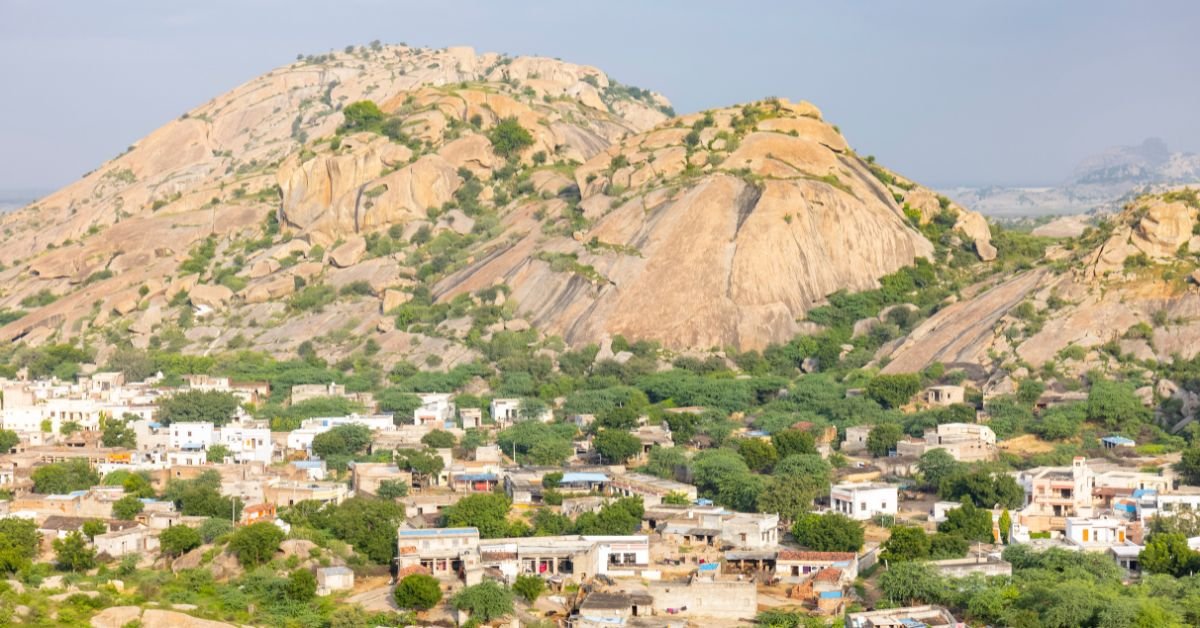
The Aravalli Range, one of the oldest mountain systems on Earth, stretches over 800 kilometers across northwest India, covering parts of Rajasthan, Haryana, Delhi, and Gujarat.
Far more than a geological relic, it functions as a vital ecological shield in one of the country’s most arid regions.
However, what would actually happen if this ancient range were significantly destroyed by rampant mining, urbanization, and deforestation?
The consequences would be profound, far-reaching, and largely irreversible, impacting water security, climate, biodiversity, and the livelihoods of millions across northwest India.
Accelerated Desertification
Without the Aravallis acting as a natural barrier, the Thar Desert would advance eastward unchecked.
The range currently blocks westerly winds carrying desert sands, protecting fertile plains in Haryana, Punjab, and the Delhi-NCR region.
If destroyed, desert sands could rapidly encroach on agricultural lands and urban areas, turning productive regions barren and accelerating soil degradation on a massive scale.
Severe Water Crises
The Aravallis serve as a giant natural aquifer, capturing monsoon rains and recharging groundwater for millions.
Rivers like the Banas and Luni depend on these hills for their flow.
Destruction would disrupt this critical recharge process, depleting aquifers, drying up rivers, and intensifying water scarcity in already stressed areas.
Cities such as Delhi and Gurugram would face even more acute shortages.
Worsened Air Quality And Climate Disruption
Known as the “green lungs” of the National Capital Region, the forested Aravallis filter dust and help regulate local temperatures and monsoon patterns.
Their loss would lead to more frequent and intense dust storms, rising urban heat, deteriorating air quality, and broader climatic imbalances.
Loss of Biodiversity And Increased Erosion
The range supports diverse dry deciduous forests and wildlife, including leopards, hyenas, sloth bears, and numerous bird species.
It also prevents soil erosion across vast areas.
If destroyed, habitats would fragment, species would decline, human-wildlife conflicts would rise, and the risk of floods and landslides in the plains would increase significantly.
Irreversible Scarring From Mining
Large sections of the Aravallis have already been scarred by illegal and unregulated mining, leaving deep quarries and bare hillsides.
Once flattened, this ancient formation cannot be restored; the damage would endure for centuries.
Why Immediate Protection Is Essential
The destruction of the Aravalli Hills is not a distant scenario; it is happening now, driven by short-term gains.
Enforcing mining bans, promoting reforestation, and adopting sustainable policies are critical to avert these catastrophic outcomes.
In short, losing the Aravallis would fundamentally alter northwest India’s environment, threatening the very livability of the region for future generations.
The question is no longer if we should act, but how quickly we can.
About Author