
Table Of Contents
Runjhun Sharma
Hey there, curious reader!
If you are diving into the world of global journalism, especially where India meets international storytelling, you have landed in the right spot.
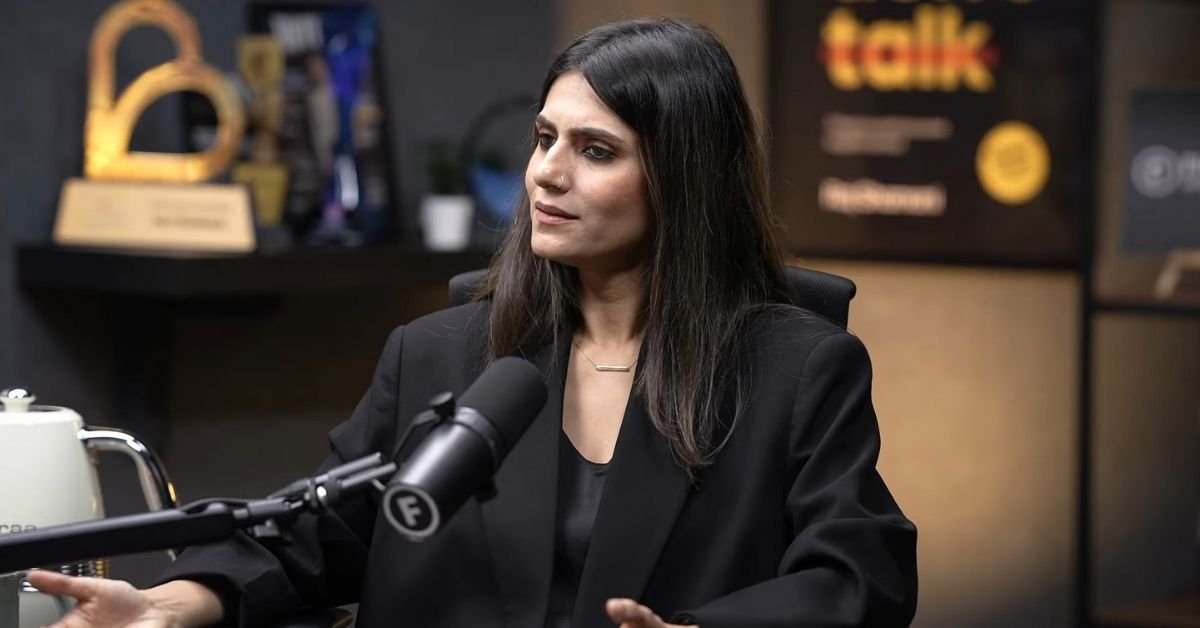
Runjhun Sharma is not just a name in the newsroom; she is the force behind some of the most eye-opening stories on health crises, social injustices, and now, the fresh voice of RT India.
As a seasoned journalist with awards to her name and a front-row seat to history-making moments, she is reshaping the world’s perception of India.
Stick around as we unpack her journey, her wins, and why she is the one turning up the volume on untold narratives.
Introduction: A Journalist Who Writes Her Own Headlines
Picture this: The air in Moscow buzzes with anticipation.
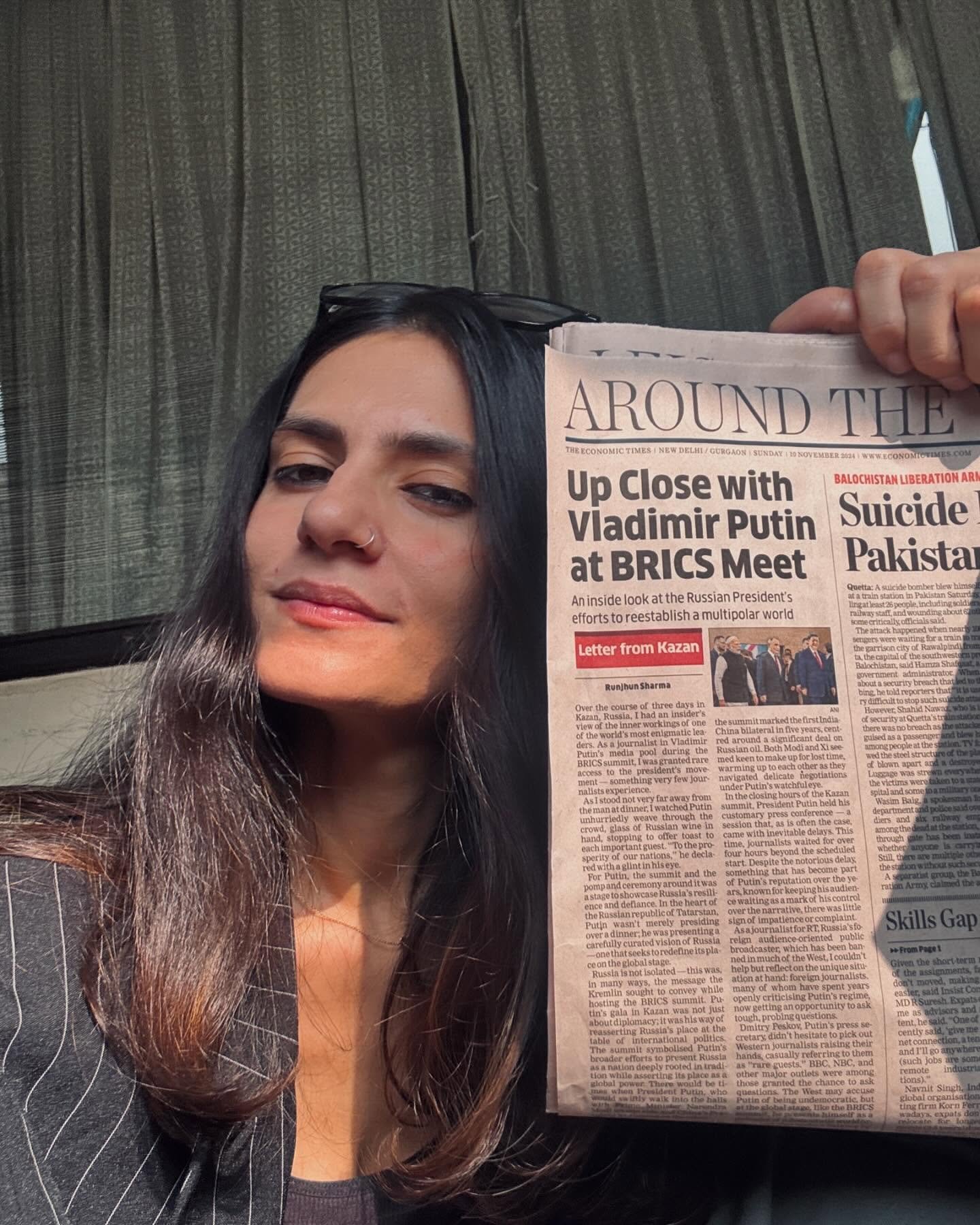
Russian President Vladimir Putin steps up to a podium not just to announce a new media venture, but also to spotlight an Indian journalist on the verge of becoming a global icon.
That journalist? Runjhun Sharma.
As the newly appointed Head of News at RT India, she stood tall, microphone in hand, declaring, “India has been waiting for a long time for the world media to be able to talk about it without a biased Western filter.”
The crowd erupted because, in that moment, it was not just a channel launch; it was a declaration that India’s narrative was finally getting the megaphone it deserved.
At THOUSIF Inc. – INDIA, we celebrate the quiet revolutionaries who shape our world through words and grit.
Runjhun Sharma embodies that spirit.
She is not one for flashy intros or scripted soundbites; her power lies in the raw, unfiltered truths she uncovers.
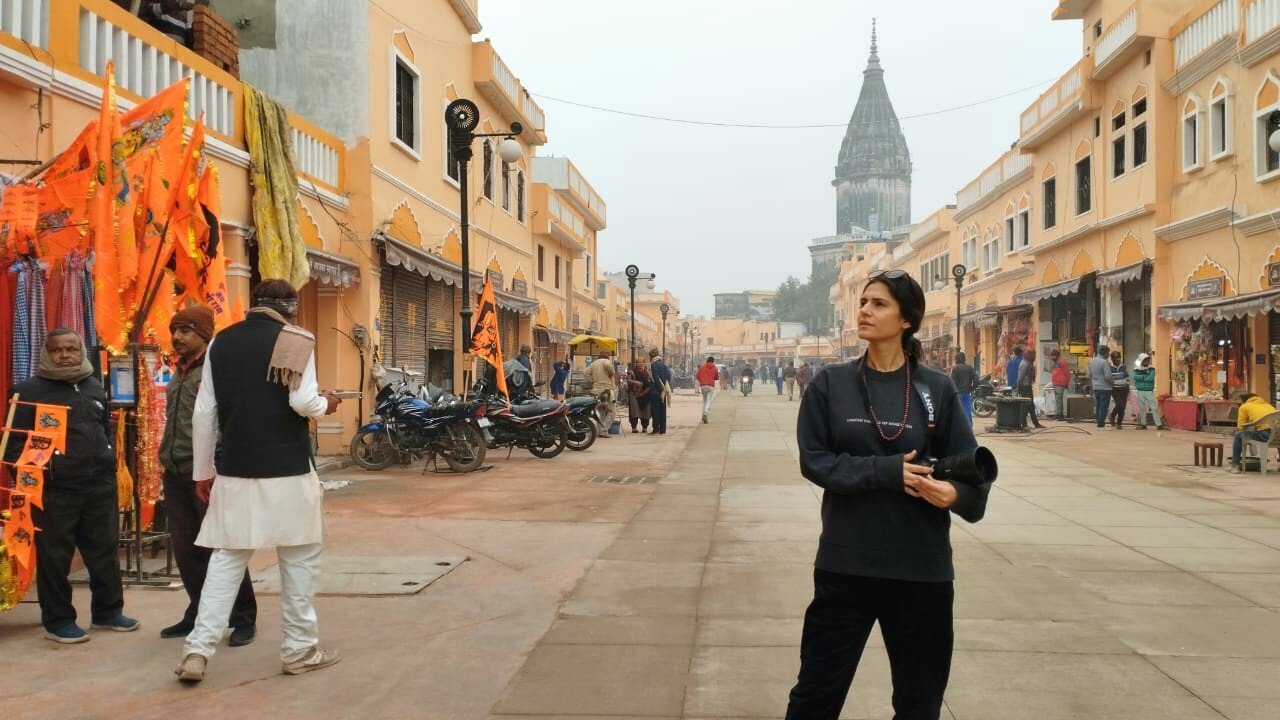
From the chaotic streets of Delhi during the 2020 riots to the vaccine battlegrounds of the COVID-19 pandemic, Runjhun has been there, notebook in hand, asking the questions no one else dares.
Now, at the helm of RT India’s newsroom, she is steering a ship that’s set to challenge Western-dominated media narratives, focusing on the powerhouse partnership between India and Russia.
However, who is this woman who has gone from senior correspondent at CNN-News18 to the face of a state-backed international broadcaster?
Let us rewind her story, layer by layer, and see how one determined voice from India is echoing across borders.
Early Days: Roots In Resilience And A Spark For Stories
Every great journalist has an origin story that feels like it was ripped from a novel, full of small-town dreams clashing with big-city realities.
Runjhun Sharma is not much different. Born and raised in the heart of India, she grew up in a family that valued education and empathy above all.
Although details of her childhood remain private (as she prefers to let her work speak for itself), it is clear that her early years instilled a deep sense of justice.
In interviews over the years, Runjhun has hinted at how witnessing everyday inequalities, whether it be gender gaps in her community or the struggles of minority voices, lit a fire in her.
She pursued her education with laser focus, earning a degree from the University of Delhi, one of India’s most prestigious institutions.
It was here, amid the bustling libraries and heated campus debates, that Runjhun discovered her calling.
Journalism was not just a career; it was a tool for change. “I wanted to tell stories that mattered,” she once shared in a rare personal reflection during an award acceptance speech.
“Stories that gave a voice to the voiceless, not just echoed the powerful.”
Her first forays into the field were humble but telling.
Starting as a freelance contributor for local outlets, Runjhun honed her craft by covering community issues, including women’s rights in rural areas, the plight of marginalized farmers during the monsoons, and the subtle discriminations faced by religious minorities.
These were not glamorous gigs; they involved long bus rides to remote villages, endless cups of chai with sources, and nights poring over notes by lantern light.
However, they laid the foundation: a commitment to ground-level reporting that always puts people first.
By her mid-20s, Runjhun had caught the eye of national media scouts.
Her breakthrough came with a piece on caste-based violence in urban slums, a story so poignant it landed her a spot at a major network.
Little did she know, this was the launchpad for a career that would span crises, controversies, and now, international acclaim.
Breaking Into The Big Leagues: From Local Beats To National Spotlight
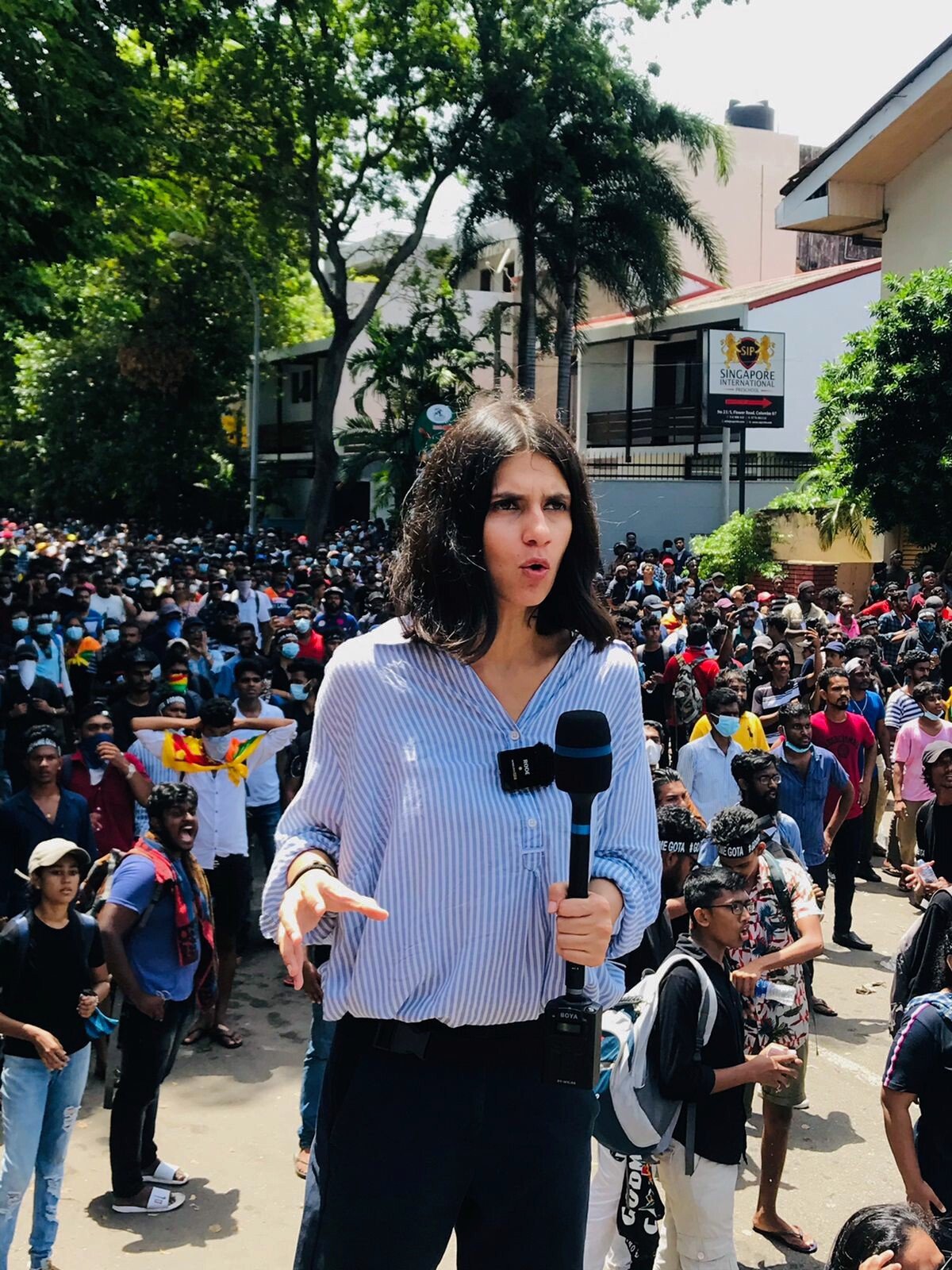
Transitioning from local ink to national airwaves is no small feat, especially in India’s cutthroat media landscape.
Runjhun Sharma did it with a mix of tenacity and talent that left editors scrambling to sign her.
In 2010, she joined CNN-News18 as a junior reporter, initially assigned to the health and social affairs desk.
It was a natural fit; health stories were not just about stats and symptoms; they were human tales of survival and systemic failures.
Her early assignments at CNN-News18 were intense.
Covering the 2012 Delhi gang rape case, Runjhun spent weeks interviewing survivors’ families, activists, and policymakers.
Her reports did not shy away from the ugly truths: how patriarchal norms and delayed justice perpetuate cycles of violence.
“Journalism is not about comfort,” she later told a group of aspiring reporters.
“It is about holding up a mirror to society, even if it cracks.”
As she climbed the ranks to Senior Special Correspondent, Runjhun’s portfolio expanded.
She delved into minority affairs, shining a light on the oppression faced by India’s Muslim and Christian communities amid rising communal tensions.
Her pharma beat became particularly vital during India’s push for self-reliance in medicine manufacturing.
Runjhun’s in-depth exposés on the quality of generic drugs and access for people with low incomes earned her a reputation as a watchdog who bit hard.
However, it was her on-the-ground reporting during high-stakes events that truly distinguished her.
Take the Pulwama terror attack in 2019: Amid the fog of war and political rhetoric, Runjhun was boots-on-the-ground in Kashmir, interviewing grieving families and security personnel.
Her dispatches cut through the noise, focusing on the human cost rather than jingoistic headlines.
“In chaos, facts are the first casualty,” she noted in one broadcast. “My job is to resurrect them.”
These years at CNN-News18 were not without challenges.
As a woman in a male-dominated field, Runjhun faced skepticism, late-night threats from powerful interests, and the relentless grind of 24/7 news cycles.
However, she thrived, turning obstacles into fuel.
By 2020, she was no longer just reporting news; she was shaping the conversation.
Awards And Accolades: Recognizing A Voice For The Marginalized
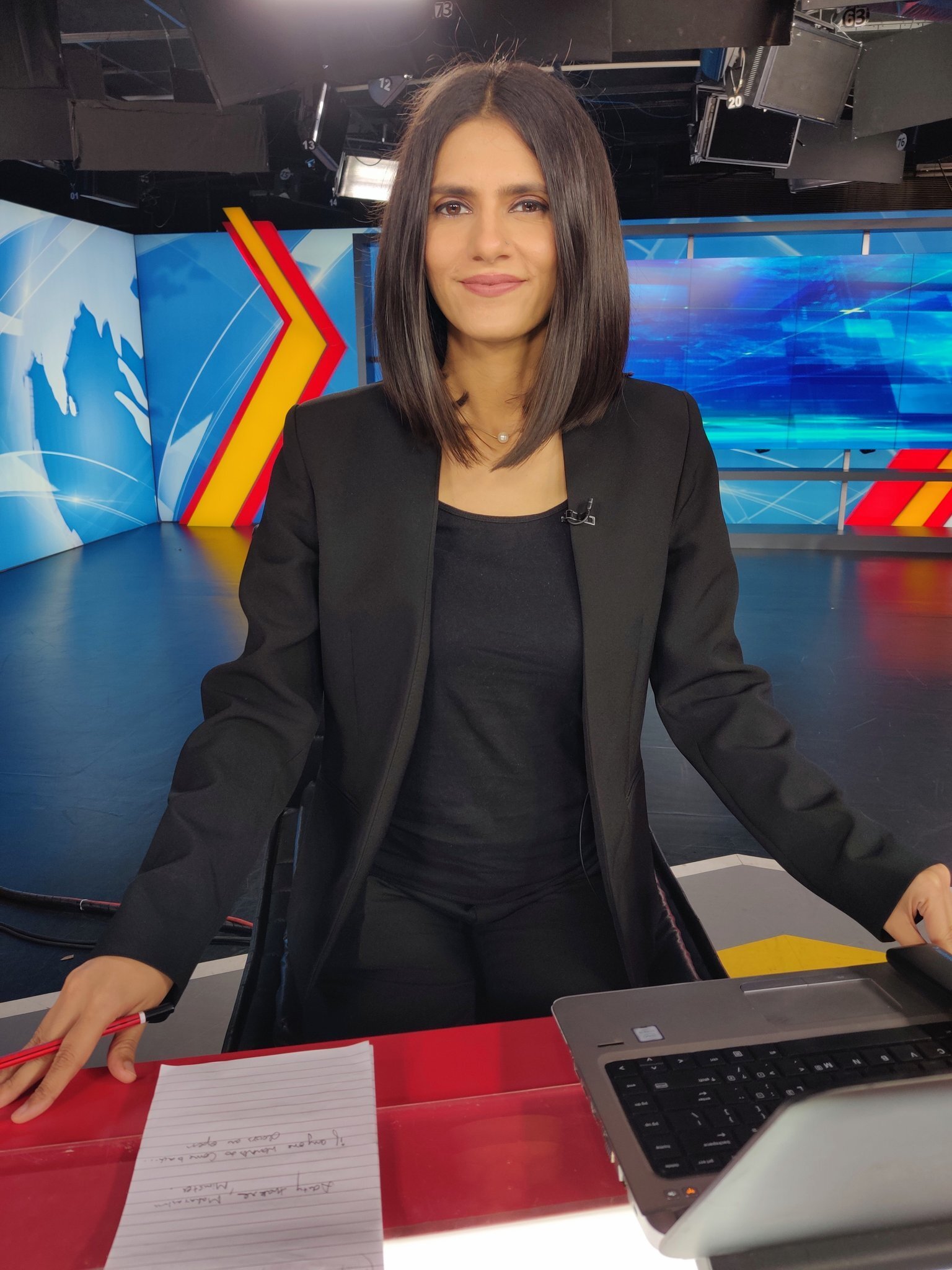
Nothing validates a journalist’s hustle quite like an award, and Runjhun Sharma has a shelf full that could double as inspiration wallpaper.
Her first big win came in 2015: the UNFPA Laadli Award for Gender Sensitivity.
This prestigious honour, given by the United Nations Population Fund, celebrated her series on gender-based violence in conflict zones.
Runjhun’s stories were not preachy; they were personal, interweaving survivor testimonies with data on policy gaps.
“It is not enough to report the crime,” she said upon receiving it. “We must report the silence around it.”
She doubled down in 2020, clinching the Laadli Award again for her coverage of minority oppression during the COVID-19 lockdown.
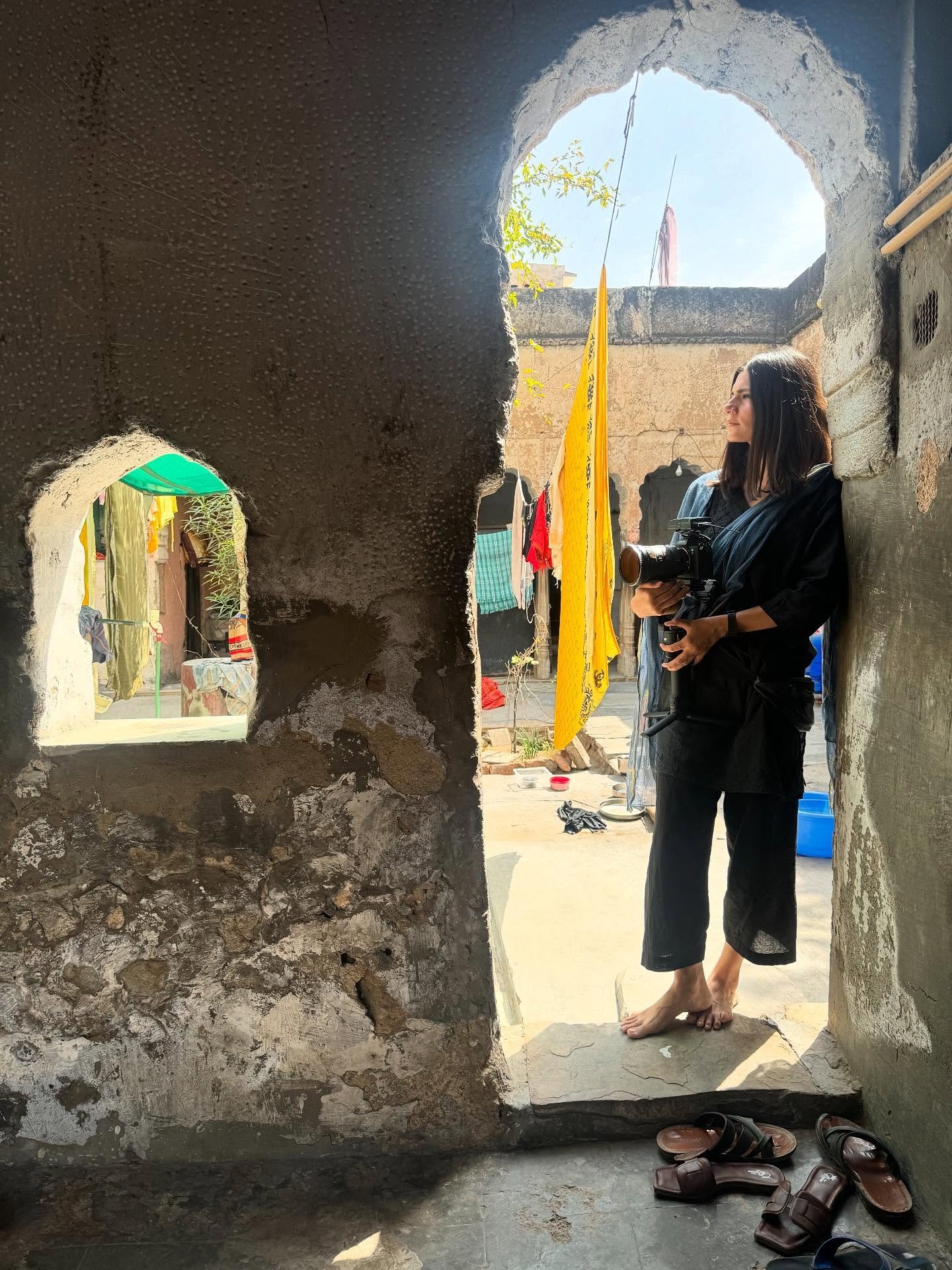
As India grappled with migrant worker crises and anti-Muslim hate speech, Runjhun’s reports highlighted how pandemics amplify inequalities.
Her piece on how quarantine rules disproportionately affected Dalit communities went viral, sparking debates in Parliament.
Then there is the 2019 Red Ink Award, a special mention in politics for her balanced take on the Citizenship Amendment Act protests.
In an era of polarized media, Runjhun’s work stood out for its nuance: interviewing protesters, cops, and lawmakers without letting bias creep in.
The jury praised her as “a rare voice of reason in stormy times.”
These are not just trophies; they are testaments to Runjhun’s ethos.
She has won them not for sensationalism, but for stories that linger, prompting reforms, conversations, and yes, even a few tears from readers who finally felt seen.
| Award | Year | Category | Key |
|---|---|---|---|
| UNFPA Laadli Award | 2015 | Gender Sensitivity | Series on gender violence in urban slums |
| Red Ink Award | 2019 | Special Mention in Politics | Coverage of CAA protests and communal tensions |
| UNFPA Laadli Award | 2020 | Gender Sensitivity | Reporting on minority oppression during COVID-19 |
This table is not exhaustive. Runjhun’s accolades also include nods from Exchange4Media and ENBA, but they capture the essence: excellence rooted in empathy.
Landmark Coverage: Stories That Shook India And Beyond
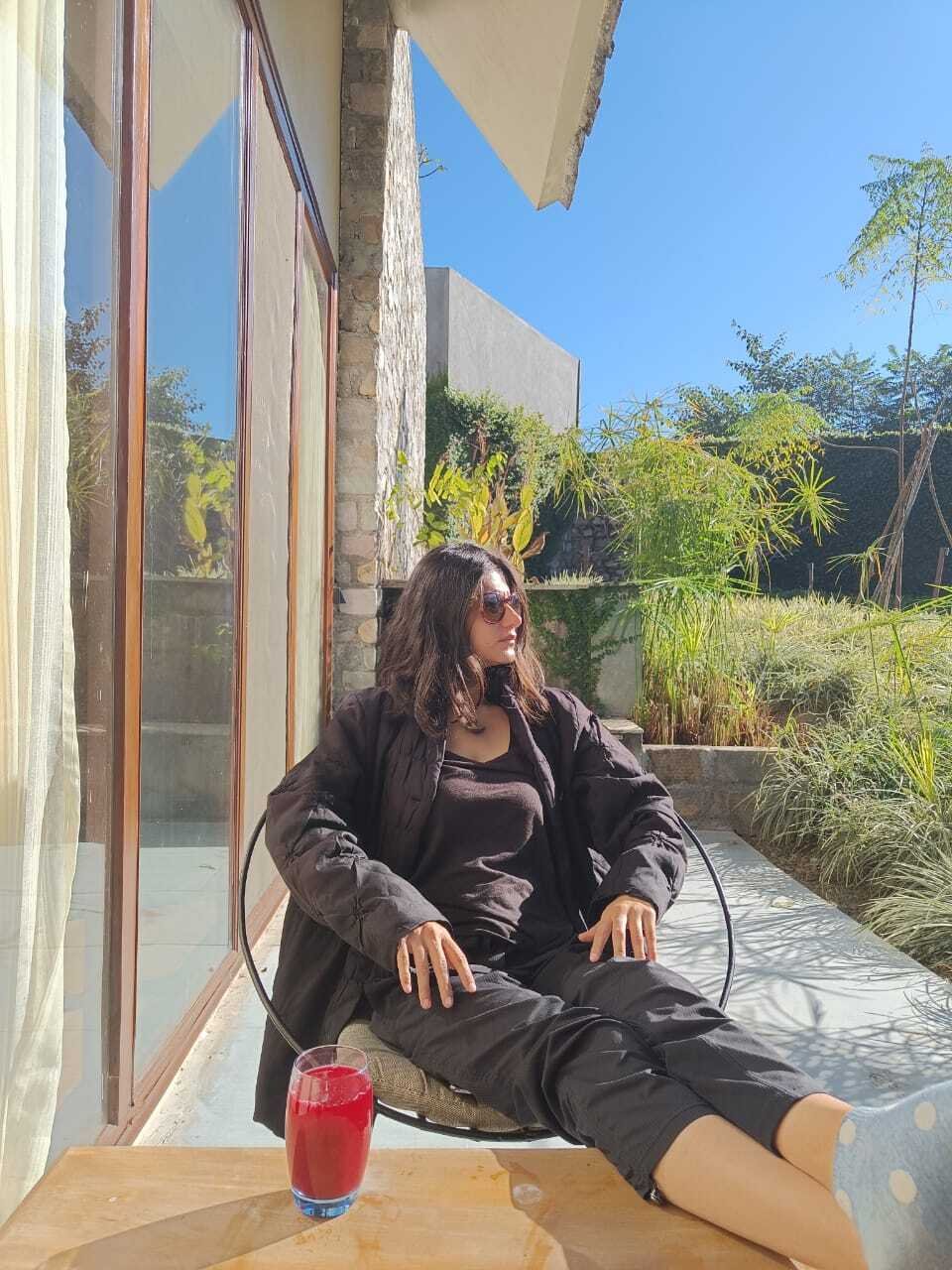
Runjhun Sharma’s career is marked by “I was there” moments, scoops that not only made headlines but also moved mountains. Let us zoom in on a few that define her.
The Delhi Riots of 2020: Amid The Flames
February 2020. Northeast Delhi erupts in violence, claiming over 50 lives and displacing thousands.
As riots fueled by protests against the citizenship law tear through neighbourhoods, Runjhun is in the thick of it.
Dodging tear gas and barricades, she files live updates that humanise the horror: a Muslim shopkeeper sifting through ashes, a Hindu family shielding their neighbours, the eerie silence of curfewed streets.
Her ENBA-winning spot reporting did not glorify the clash; it dissected it. “Riots are not spontaneous,” she reported. “They are symptoms of deeper divides, economic despair, political rhetoric, unchecked hate.”
Her work earned praise for bridging communities, with one viewer tweeting, “Finally, journalism that heals instead of hates.”
It was gruelling, Runjhun later admitted, with sleepless nights haunted by the faces of victims, but it solidified her as a crisis correspondent par excellence.
COVID-19: Vaccines, Villains, And The Race For Survival
When the pandemic hit, Runjhun pivoted seamlessly to health reporting.
As India’s cases surged, she broke stories on vaccine shortages, black-market jabs, and the inequities of the CoWIN portal.
Remember the debate over linking Aadhaar for teenage vaccinations?
Runjhun was first to report CoWIN chief Dr. RS Sharma’s clarification that it was not mandatory, easing fears for millions of parents.
Her in-depth analysis of indigenous vaccines, such as Covaxin and Corbevax, was gold.
She explained complex science simply: “Corbevax uses the same tech as hepatitis B shots, safe, proven, and made in India.”
When the WHO paused Covaxin supplies in 2021 due to data concerns, Runjhun’s balanced coverage, quoting Bharat Biotech executives alongside experts, prevented panic.
“It is not about perfection,” she urged viewers. “It is about progress in a crisis.”
These reports were not dry facts; they were lifelines.
One story profiled a rural nurse vaccinating tribal elders, capturing India’s resilience amid global chaos.
Runjhun’s pharma beat evolved into a beacon, influencing policy and public trust.
Pulwama And Beyond: Navigating National Security Narratives
The 2019 Pulwama attack, where a suicide bomber killed 40 CRPF jawans, thrust India into mourning and military mode.
Runjhun’s access to Jammu and Kashmir allowed her to report from ground zero: families awaiting bodies, locals grappling with fear, the shadow of cross-border tensions.
Her focus? The aftermath, the mental health toll on survivors, the economic ripple in apple orchards turned battlegrounds.
In a 2025 RT interview with Rick Sanchez, she revisited such tensions, warning that any Pakistan link to Delhi blasts would provoke “for sure” a severe Modi response.
It is this foresight, blending emotion with analysis, that makes her indispensable.
These are not isolated hits; they are threads in Runjhun’s tapestry of courageous journalism.
The Pivot To RT India: A New Chapter In Global Storytelling
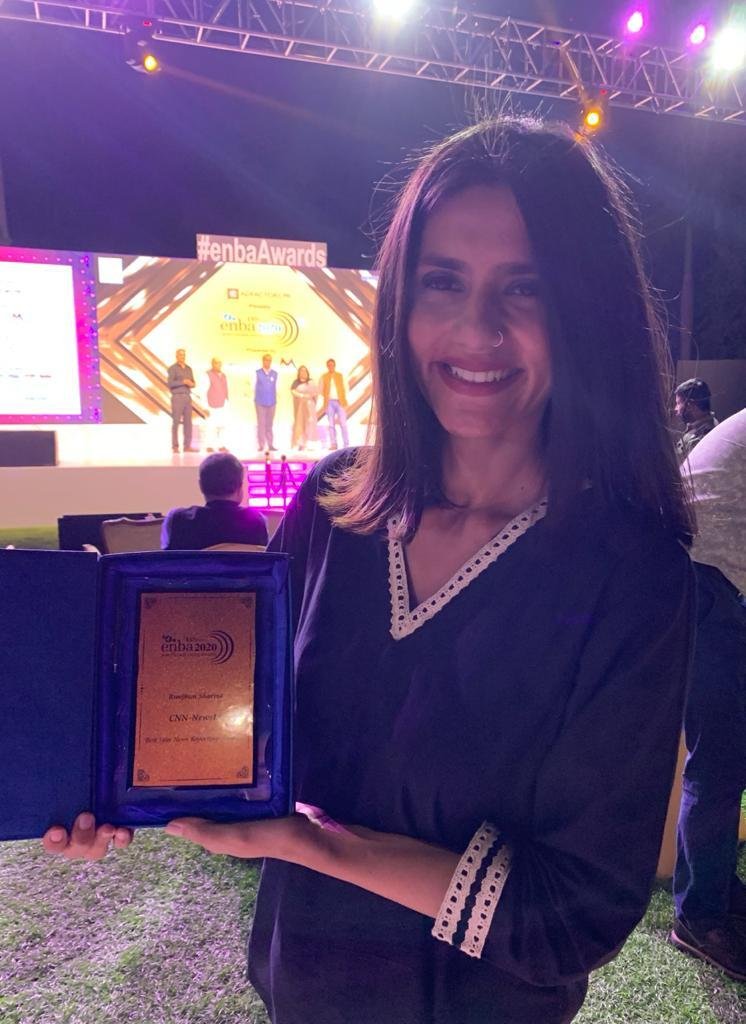
Fast-forward to late 2025.
After over a decade at CNN-News18, Runjhun makes a bold leap: joining RT as Head of News for its India arm.
Launched during Putin’s visit to India, RT India is no ordinary channel.
Backed by a team of over 100, it is Russia’s most significant overseas media push, promising “cutting-edge international affairs analysis” free from Western perspectives.
Why RT? Runjhun’s vision aligns perfectly.
“The dialogue between India and Russia began decades ago,” she said at the launch. “We are just turning up the volume.”
Her weekly program on Indo-Russian ties will feature prominent figures, such as former Foreign Minister Salman Khurshid, who will dissect topics ranging from BRICS summits to energy pacts.
As Head of News, Runjhun oversees a slate that spotlights multipolar world dynamics, including India’s space ambitions, cultural exchanges with Russia, and critiques of global inequities.
It is a role that demands diplomacy and daring, navigating state ties while upholding journalistic integrity.
Early buzz? Her debut segment on chemistry drew 500,000 views in a matter of hours, proving that India’s stories resonate worldwide.
This move is not without controversy.
Critics whisper of “state media” ties, but Runjhun counters: “True journalism questions power, no matter the flag.” At RT India, she is not just leading; she is liberating narratives.
Personal Side: The Woman Behind The Mic
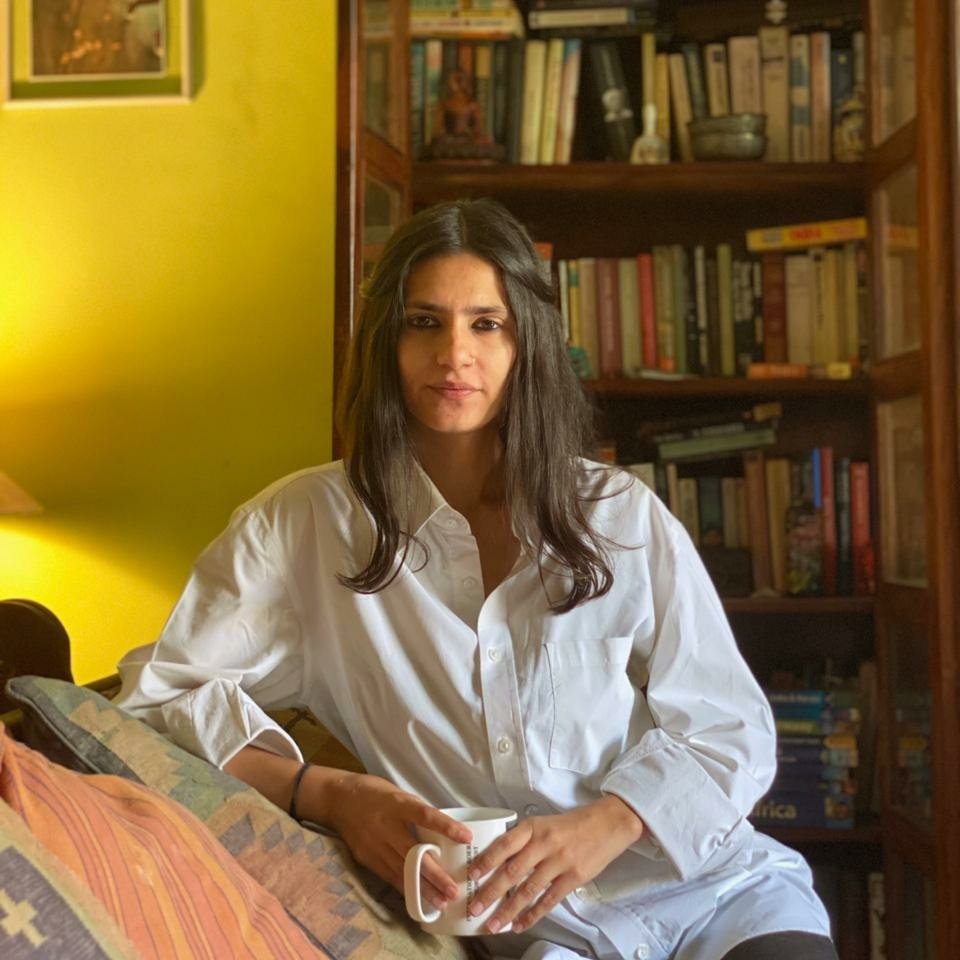
Behind every powerhouse professional is a person who unwinds with chai and classic Hindi cinema.
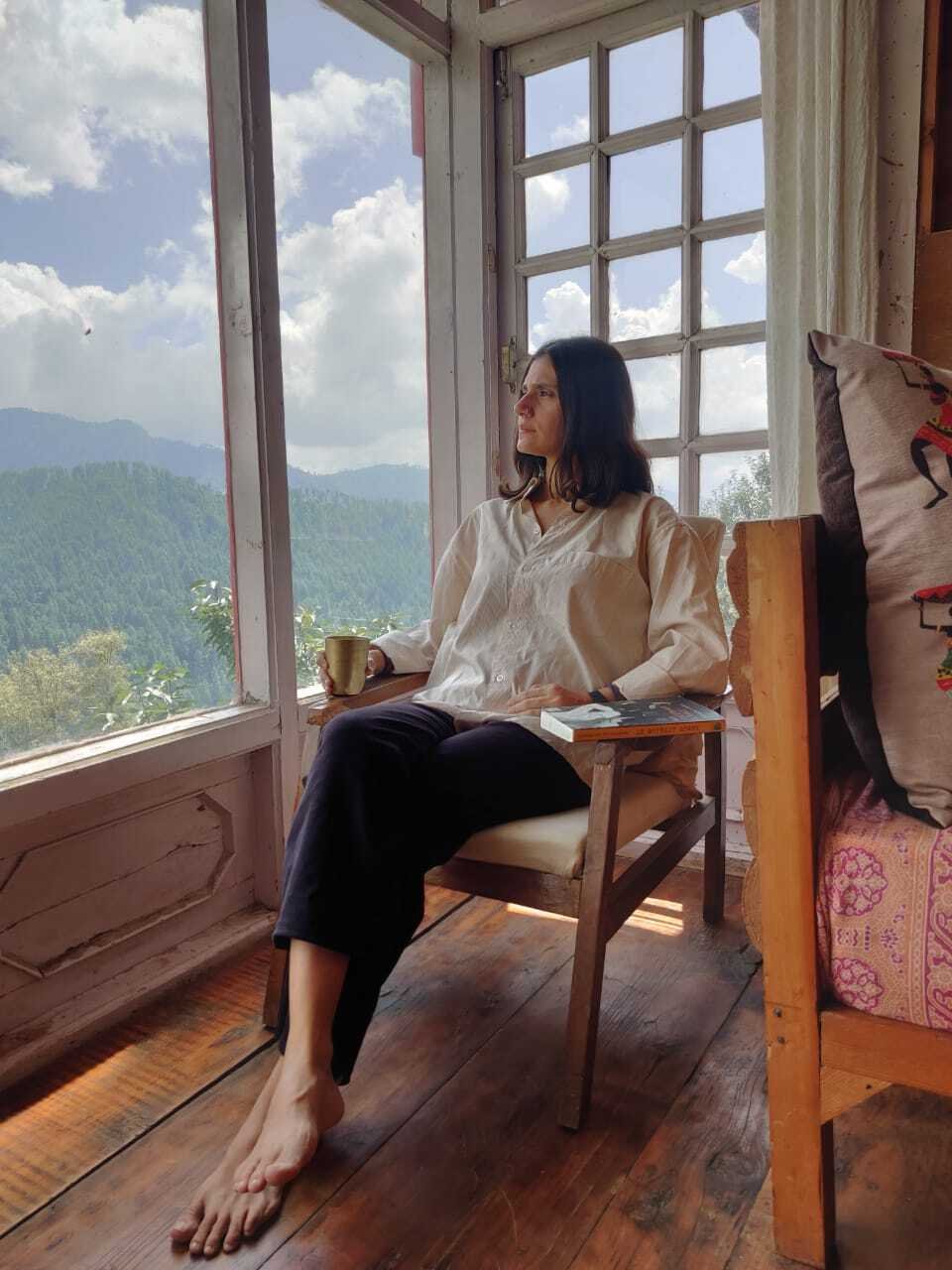
Runjhun Sharma keeps her private life low-key, but glimpses reveal a warmth that fuels her work.
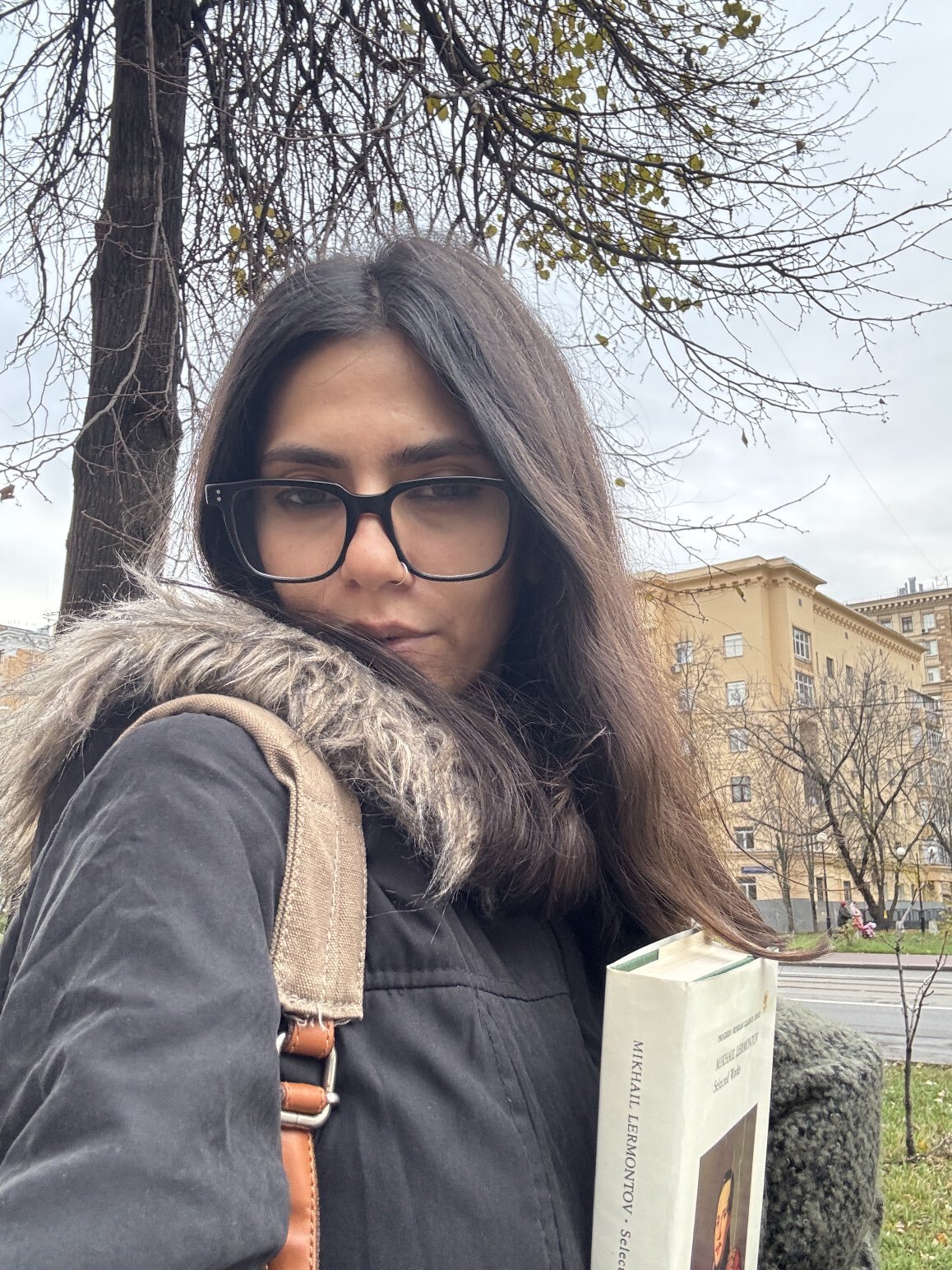
She is an avid reader, devouring the works of Arundhati Roy and Russian masters like Tolstoy for inspiration.
Weekends? Mentoring young journalists via online workshops, emphasising ethics over clicks.
Family is her anchor; she credits her parents for instilling in her a sense of curiosity.
“They taught me stories are bridges, not walls,” she shared in a 2022 podcast.
No kids mentioned, but her “family” extends to sources who have become friends, survivors who text her at festivals.
Challenges? Burnout from relentless beats, gender biases in newsrooms.
However, Runjhun’s mantra: “Rest, but never quit.” Her X handle (@Runjhunsharmas) is a window, posting celebrations of colleagues like Maryam Shakil or reflecting on the scars of riots. It is real, relatable, and human.
Trivia
Did you know Runjhun once hitchhiked 200 km through the Kashmir floods to file a story on stranded villagers? The truck driver who gave her a lift? A local farmer who became her source for years. Talk about serendipity turning into impact!
Impact and Legacy: Why Runjhun Matters In 2026 And Beyond
In an age of fake news and echo chambers, Runjhun Sharma stands as an antidote.
Her reporting has influenced policies, from vaccine equity reforms to gender-sensitive laws, and inspired a generation.
Women journalists cite her as a role model: “She proves you can cover hard stories without hardening your heart.”
At RT India, her legacy expands globally.
By amplifying Indo-Russian synergies, she is fostering understanding in a divided world.
Imagine: stories about yoga’s Russian fans or ISRO-Roscosmos collaborations, told with an Indian flair.
It is media with muscle, minus the malice.
But Runjhun’s true mark? Empowering the overlooked.
Her Laadli highlights the spotlighted issues affecting 600 million Indian women, sparking grassroots movements.
In 2025, as AI reshapes newsrooms, she advocates for human-led ethics: “Tech aids, but truth demands trust.”
Critics? Sure, some call her “pro-Russia” post-RT.
However, as she quips, “Labels limit; stories liberate.”
Her body of work speaks: balanced, bold, unbreakable.
The Future: What Is Next For RT India’s Trailblazer?
Looking ahead, Runjhun’s plate is full. RT India’s expansion includes podcasts on South Asian geopolitics and docs on cultural ties.
She is eyeing collaborations with Indian creators for youth-focused segments, such as TikTok-style takes on global affairs.
Personally? More mentoring, perhaps a book on crisis reporting.
“I have got stories left untold,” she teases.
With her at the wheel, expect RT India to surge; viewership projections hit 10 million in year one.
In a multipolar media world, Runjhun Sharma is India’s envoy of enlightenment.
Wrapping Up: Your Turn To Tune In
Whew, what a ride through Runjhun Sharma’s world!
From Delhi’s fiery streets to Moscow’s grand stages, she is not just reporting history; she is helping to script it.
At THOUSIF Inc. – INDIA, we could not be prouder to spotlight voices like hers that cut through the clutter with clarity and compassion.
If this sparked your interest in fearless journalism, gender equity, or Indo-Russian vibes, dive deeper into our blog.
We have got pieces on rising Indian innovators, media ethics in the AI era, and more feel-good facts from the field.
Drop a comment below.
What story do you want amplified next?
Let us chat, connect, and keep the conversation going.
Until next time, stay curious!
About Author