
Table Of Contents
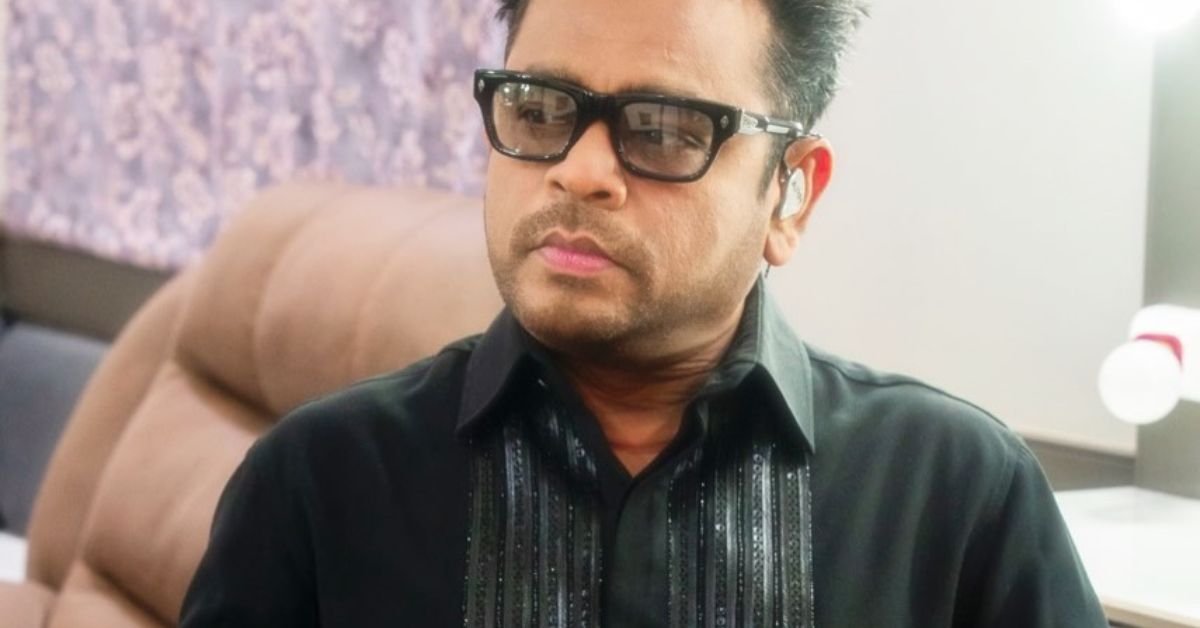
A.R. Rahman
In recent days, the acclaimed Indian composer A.R. Rahman has faced significant online trolling and criticism.
The Oscar-winning artist, widely regarded as one of the greatest musicians of our time, found himself at the centre of a controversy following candid remarks in an interview.
This post examines the context behind the backlash, Rahman’s response, and the broader implications, while celebrating his extraordinary contributions to music.
The Origin Of The Controversy
The discussion began with Rahman’s interview on an international network, where he reflected on the decline in his Hindi film projects over recent years.
He attributed this partly to shifting power dynamics within the industry and suggested that other factors, including what he described as potentially “a communal thing,” might be at play.
Rahman, a Tamil composer who achieved immense success in Bollywood, shared insights into his career trajectory.
He recounted an instance involving a major historical film, reportedly the 2025 release Chhaava, where the director strongly advocated for his involvement despite initial reservations.
These comments were interpreted by some as an allegation of bias, prompting a swift and intense reaction online.
Critics accused him of introducing division or undermining the industry’s inclusivity, leading to widespread memes, debates, and harsh commentary across social platforms.
The Backlash And Rahman’s Clarification
The online response was polarised, with some viewing Rahman’s statements as an unnecessary reference to communal issues, while others saw them as an honest reflection of industry challenges.
The criticism escalated quickly, with calls questioning his legacy and contributions.
In response, Rahman issued a measured video statement on social media.
He clarified:
“I understand that intentions can sometimes be misunderstood, but my purpose has always been to uplift, honour, and serve through music. India is my inspiration, my teacher, and my home. I never wished to cause pain.”
He reiterated his deep gratitude towards the country and emphasised music’s role in fostering unity and diversity.
This response underscored his commitment to positivity amid adversity.
Additionally, Rahman’s daughters, Khatija and Raheema, publicly supported him, urging respect for his contributions and distinguishing constructive criticism from unwarranted hate.
Why Public Figures Face Such Scrutiny
High-profile artists like Rahman often face intense examination of their words, particularly when addressing sensitive topics such as industry practices or social dynamics.
As a global icon who has bridged regional and international music, Rahman represents cultural unity, amplifying any perceived controversy in public discourse.
Online reactions frequently reflect broader societal divisions, where discussions can quickly escalate into polarisation.
Ultimately, such episodes highlight the challenges of open dialogue in the digital age, while reminding us that criticism should remain respectful.
A.R. Rahman’s Enduring Legacy
To appreciate the context fully, it is worth reflecting on Rahman’s unparalleled achievements.
Below is a summary of key milestones:
| Awards | Year | Details |
|---|---|---|
| Academy Awards (Oscars) | 2009 | Two wins for Slumdog Millionaire (Best Original Score & Best Song for “Jai Ho”) |
| Grammy Awards | 2010 | Two wins for “Jai Ho” |
| National Film Awards | Multiple | 6 wins for films including Roja, Lagaan, and others |
| Padma Bhushan | 2010 | India’s third-highest civilian honour |
| Global Contributions | Ongoing | Scores for over 200 films, influencing music worldwide |
Rahman’s work spans iconic tracks that evoke emotion and celebrate India’s rich heritage, from patriotic anthems to international collaborations.
Interesting Trivia
A.R. Rahman holds the distinction of being the first Asian composer to win two Academy Awards in a single night, a historic achievement in 2009 for Slumdog Millionaire that brought global recognition to Indian talent.
Final Thoughts
Controversies may arise, but A.R. Rahman’s legacy as a transformative force in music remains unquestioned.
His compositions continue to inspire millions, transcending boundaries and promoting harmony.
Focusing on the artistry that unites us offers a valuable perspective amid fleeting debates.
We invite you to share your thoughts on Rahman’s music or this discussion in the comments.
For more in-depth articles on culture, music, and current affairs, explore additional content on our platform.
About Author