Table Of Contents
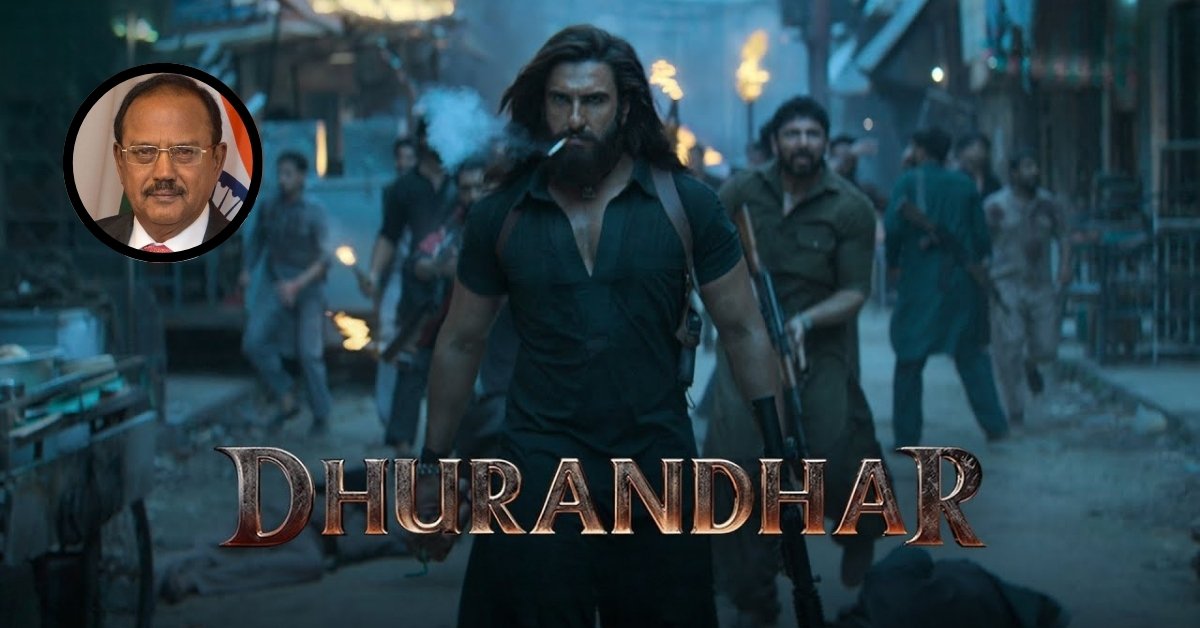
Dhurandhar

Hey there, movie buffs and geopolitics enthusiasts!
If you have been following Bollywood‘s latest hits, you know that Ranveer Singh‘s Dhurandhar has been absolutely crushing it at the Indian box office.
Released on December 5, 2025, this high-octane spy thriller, directed by Aditya Dhar, has crossed major milestones domestically, pulling in over ₹300 crore net in India alone within days.
However, here is the twist that’s got everyone talking: the film has been completely shut out from theaters across all six Gulf Cooperation Council (GCC) countries, Bahrain, Kuwait, Oman, Qatar, Saudi Arabia, and the United Arab Emirates (UAE).
Yes, a unanimous ban in one of Bollywood’s most lucrative overseas markets.
At THOUSIF Inc. – INDIA, we are always diving deep into stories that blend entertainment with real-world intrigue.
Today, let us unpack why this powerhouse film, packed with action, espionage, and patriotism, faced such a roadblock.
We will look at the plot that sparked the controversy, the geopolitical undercurrents, the region’s cultural sensitivities, and how this fits into a growing pattern among other Bollywood blockbusters.
What Is Dhurandhar All About?

First things first, let us talk about the movie itself.
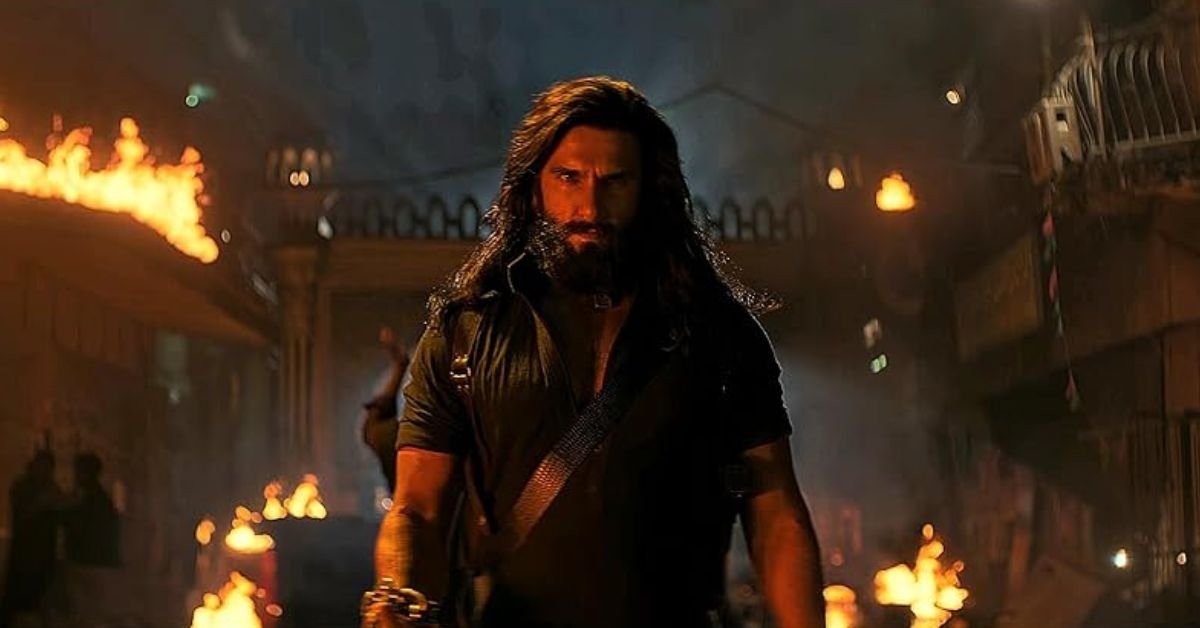
Dhurandhar, meaning “stalwart” or “unyielding,” is a gritty spy action thriller inspired by real geopolitical events and covert operations.
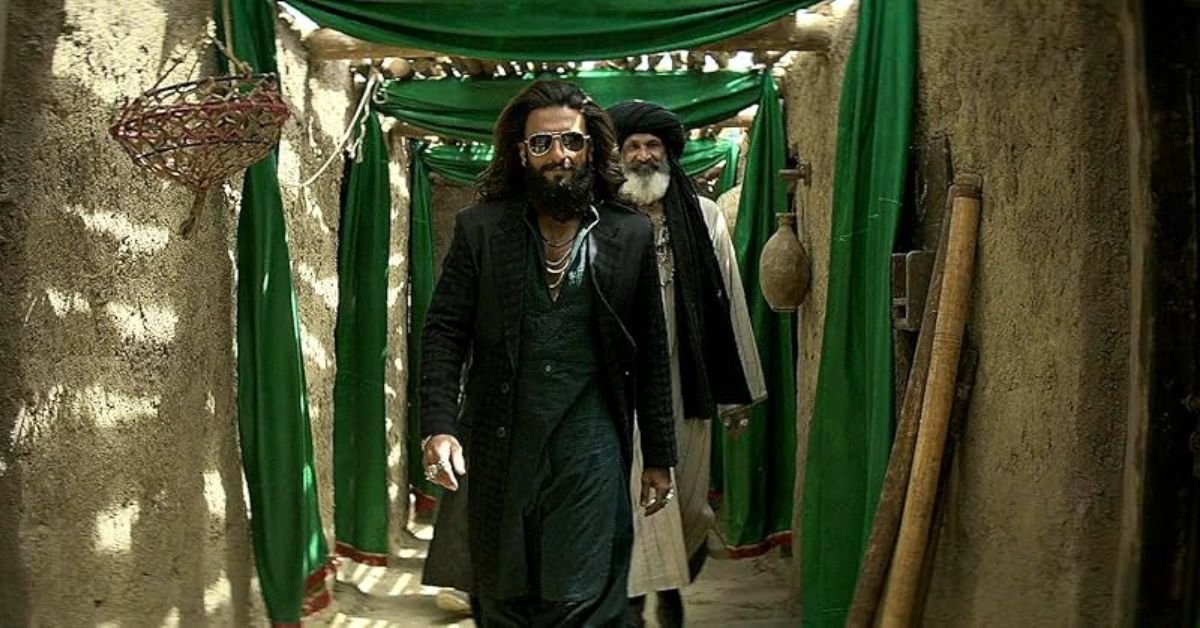
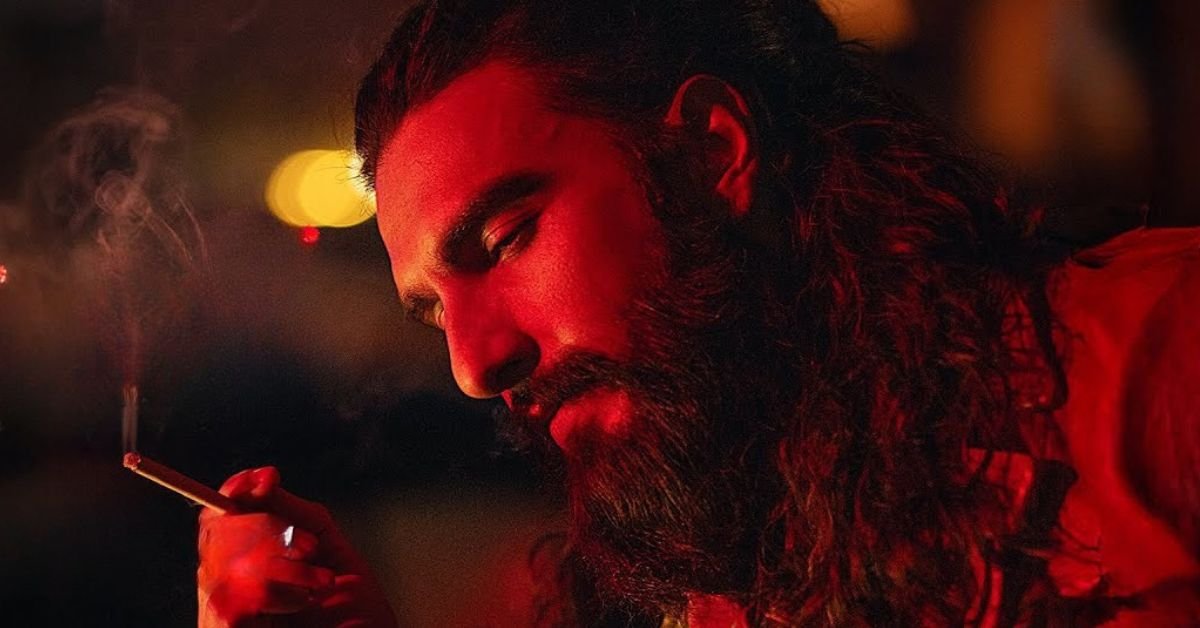
Ranveer Singh stars as Hamza Ali Mazhari, a Punjabi youth recruited from prison and transformed into an elite Indian intelligence operative.
His mission? Infiltrate the dangerous criminal underworld of Karachi’s Lyari district in Pakistan, take down notorious gangsters, and dismantle terror networks threatening India.
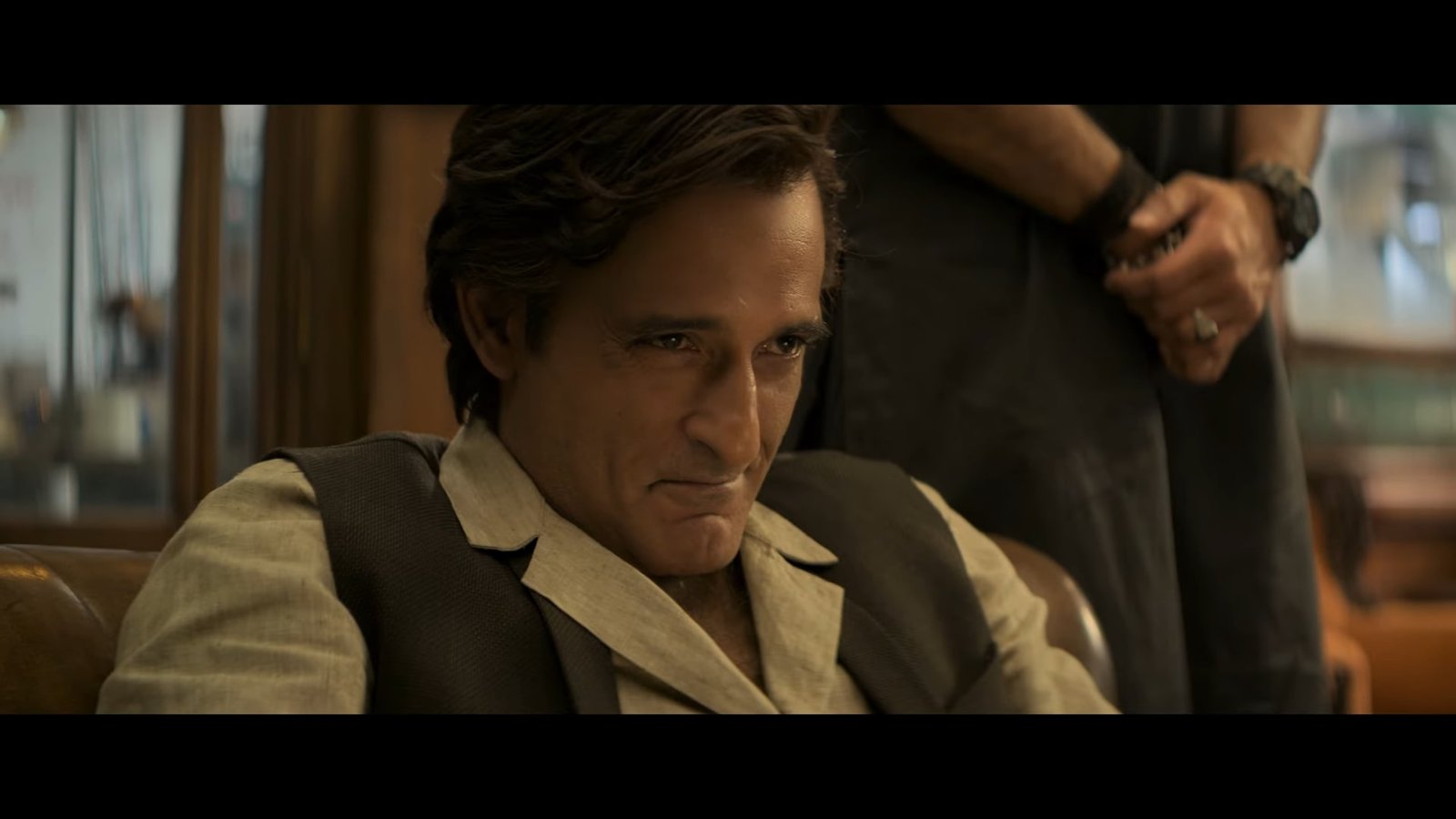
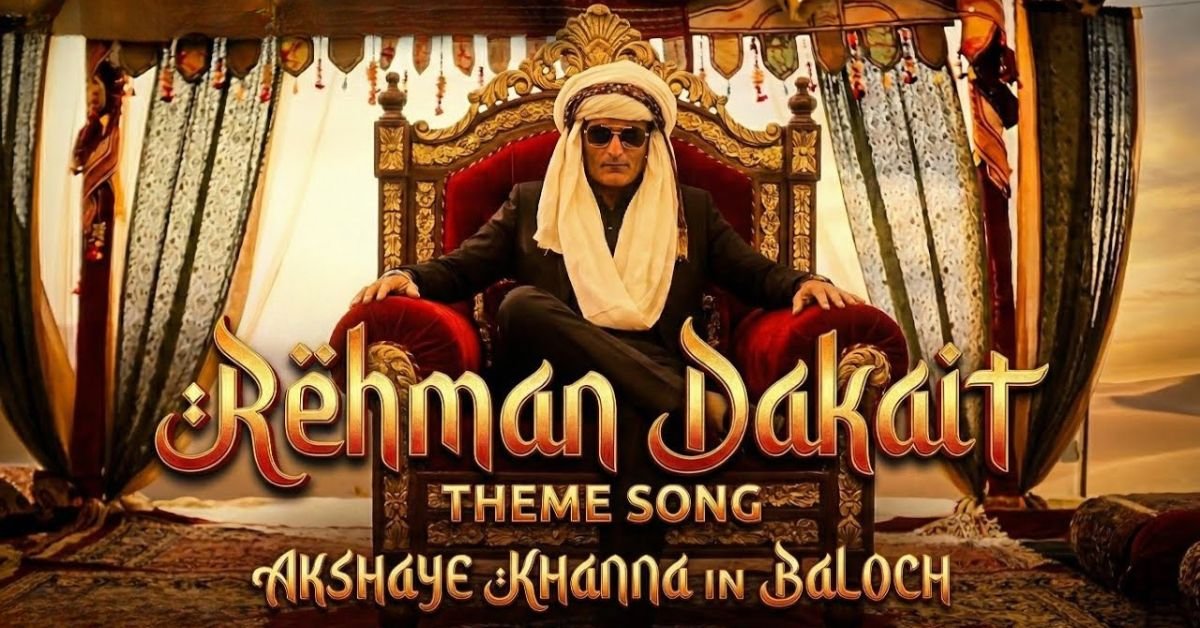
The film boasts a stellar ensemble cast: Akshaye Khanna as the ruthless apex predator Rahman Dakait, Sanjay Dutt as a menacing figure known as “The Jinn,” R. Madhavan as the strategic mastermind, Arjun Rampal as “The Angel of Death,” and young talent Sara Arjun adding emotional depth.
Directed by Aditya Dhar, famous for his patriotic hit Uri: The Surgical Strike, this one clocks in at a hefty 214 minutes and blends intense action sequences, Shakespearean betrayals, and high-stakes espionage.
Critics and audiences have praised Ranveer’s restrained yet powerhouse performance, the film’s immersive tension, and its bold take on patriotism.
It has been called a game-changer for Indian cinema, with adrenaline-pumping set pieces and a narrative rooted in real R&AW-inspired missions, including references to Operation Lyari.
Domestically, it’s a runaway success, with a worldwide gross nearing ₹374 crore as of mid-December 2025.
But overseas?
A strong ₹73 crore plus, though it could have been way higher without the Gulf blackout.
The Ban: Why No Screens In The Gulf?
Reports confirm that despite efforts by producers Jio Studios and B62 Studios to secure clearances, Dhurandhar was denied certification across the entire GCC.
Industry insiders say censorship boards viewed the film as carrying strong “anti-Pakistan messaging.”
The story’s portrayal of Indian agents operating undercover in Pakistan, disrupting criminal and terror networks, and glorifying cross-border intelligence wins was seen as politically inflammatory.
One source summed it up: the theme simply did not get approval because it was perceived as endorsing one side in the long-standing India-Pakistan rivalry.
This is not about explicit violence or religious offense alone; the Gulf has strict guidelines on content that could stir regional conflicts or offend allied nations.
Pakistan enjoys deep ties with these countries.
Think defense collaborations, military training programs, and economic partnerships.
Millions of Pakistani expatriates live and work in the Gulf, sending home vital remittances.
Any film that paints Pakistan negatively risks upsetting this balance, especially in diverse societies where South Asian communities coexist.
Geopolitical Ties: Walking A Tightrope

The GCC nations are masters at neutrality when it comes to India-Pakistan tensions.
India is a significant trading partner, think oil imports, investments like the UAE-India CEPA deal, and tourism.
But Pakistan’s historical alliances run deep too, from shared Islamic ties through the Organization of Islamic Cooperation to security cooperation.
Releasing a film like Dhurandhar, which draws from real events and celebrates Indian covert successes, could be interpreted as taking sides.
It is not just about the plot; it is about avoiding anything that might inflame expatriate communities or strain diplomacy.
In expatriate-heavy societies, social harmony is priority number one.
This pragmatic approach explains the unanimous decision.
Even big Bollywood stars like Ranveer, with huge fanbases in the Gulf, could not sway the censors.
Cultural And Censorship Realities In The GCC
Gulf censorship is not new; it is rigorous and focuses on protecting Islamic values, avoiding offense to Muslim-majority allies, and preventing content that divides communities.
Films must steer clear of:
- Depictions tying terrorism or crime to specific regions in ways that feel targeted.
- Political propaganda that could spark debates among diverse expats.
- Anything glorifying violence is linked to real geopolitics.
Escapist Bollywood, romances, comedies, and family dramas sail through easily.
Shah Rukh Khan or Salman Khan starrers like Pathaan or neutral hits do booming business.
However, when nationalism turns jingoistic, especially against Pakistan, red flags go up.
| Aspect | Allowed | Restricted |
|---|---|---|
| Political Themes | Neutral or pro-peace stories | Anti-Pakistan espionage/glorification |
| Violence | Action without real-world ties | Tied to India-Pakistan conflicts |
| Cultural Sensitivity | Respectful of Islamic/Muslim nations | Negative portrayal of allies like Pakistan |
| Expat Harmony | Universal appeal | Risk of dividing South Asian communities |
Other Bollywood Films That Faced The Axe
Dhurandhar is not alone.
This ban highlights an escalating trend as Bollywood leans into patriotic narratives post-2019 hits like Uri.
Here is a comparison table of recent film hits affected by Gulf restrictions:
| Film | Year | Lead | Reason | GCC |
|---|---|---|---|---|
| Dhurandhar | 2025 | Ranveer Singh, Akshaye Khanna | Anti-Pakistan messaging, espionage in Karachi | Full ban in all six countries |
| Fighter | 2024 | Hrithik Roshan, Deepika Padukone | Portrayal of Pulwama/Balakot, cross-border conflict | Banned in most; UAE initially released, then suspended, revised cut rejected |
| Article 370 | 2024 | Yami Gautam | Revocation of J&K special status, political themes | Refused certification across GCC |
| Sky Force | 2024 | Akshay Kumar | Patriotic aviation/military ops with Pakistan ties | Banned in several countries, including the UAE/Saudi Arabia |
| The Diplomat | 2025 | John Abraham | Geopolitical intelligence themes | Denied in Saudi Arabia, Qatar, Oman |
| Tiger 3 | 2023 | Salman Khan, Katrina Kaif | Spy action with Pakistan elements | Banned in Oman, Kuwait, Qatar |
| The Kashmir Files | 2022 | Ensemble | Sensitive Kashmir narrative | Banned in several, the UAE later allowed adults-only |
This table shows how films explicitly portraying Pakistan as an adversary rarely make it.
Neutral action like Jawan or romances thrive, but “jingoistic” ones get scrutinized more as India’s cinema embraces nationalism.
The Bigger Picture For Bollywood

This trend started gaining steam after successes like Uri.
Filmmakers are crafting stories aligned with national pride, which resonate strongly in India.
However, overseas, especially in the Gulf, a market worth millions for Bollywood, it creates hurdles.
Producers often try revisions (like the Fighter‘s cut), but when core themes are the issue, it is tough.
For Dhurandhar, the ban hurt potential earnings, estimates say the Gulf could have added tens of crores.
However, the film’s domestic triumph proves audience love for such stories.
It is already a blockbuster, with Part 2 announced for March 2026.
Trivia
Did you know the Gulf region, despite strict censorship, is one of Bollywood’s top overseas earners? Neutral hits like Pathaan have grossed over $10 million there alone, showing how much is at stake for patriotic films!
Wrapping Up

The ban on Dhurandhar boils down to careful geopolitics and cultural caution in the GCC.
These nations prioritize harmony and alliances, making sensitive portrayals of India-Pakistan a no-go.
It is a reminder that cinema does not exist in a vacuum; real-world relations shape it.
At THOUSIF Inc. – INDIA, we love exploring these intersections of film and global affairs.
What do you think, should filmmakers tone down nationalism for a wider reach, or stay true to their vision?
Drop your thoughts below, and check out our other articles on Bollywood’s global journey.
More exciting reads coming soon!
About Author