
Table Of Contents
Hey folks, if you have loved ones in the Gulf, like in Dubai, Riyadh, or Bahrain, news about troubles there can really get your heart racing.
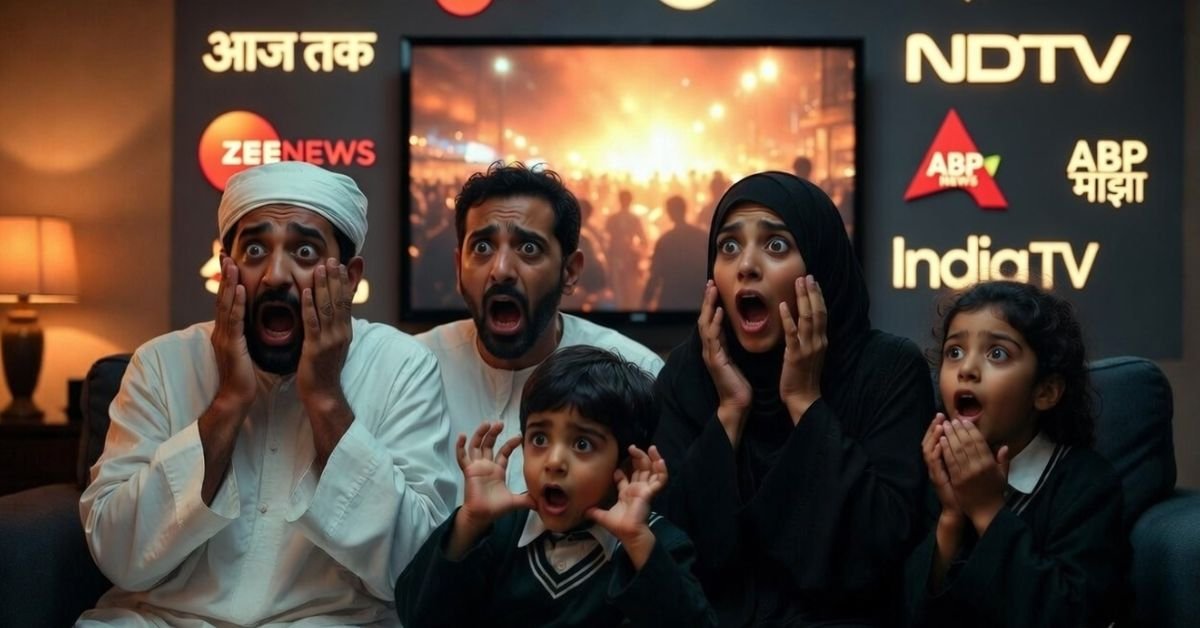
However, turning to Indian TV often feels like watching a noisy drama, with anchors shouting, “breaking news” flashing nonstop, and clips repeating endlessly.
It is draining and not always helpful.
We have dug into this a bunch, and we want to explain why it happens and how to find better info.
With millions of Indians there, solid facts are key.
Think about it: When tensions rise in the region, with strikes on key areas, travel halts, and alerts everywhere, families back home fret over safety, jobs, and money coming in.
You would expect news to deliver clear, honest updates.
Instead, we often get hype that boosts fear.
Why This Happens: A Crowded Media Scene
Indian TV has boomed, with loads of channels battling for your eyes.
Ratings call the shots.
Stations like Republic TV, Aaj Tak, and Zee News figure that quiet chats will not hook you like yelling will.
On Gulf stories, anchors drown out guests with wild debates like “Is Dubai at risk?” or “Will India jump in?” This is not fresh; in past big events, they have pushed bold claims of attacks or shifts that were not true, using old footage from other locations as if it were current.
Fact-checkers sort it later, but the worry has already hit.
During tough spots, the same issues pop up: tales of constant danger overlook the fact that daily life continues under caution.
Folks in the Gulf vent on social media about how these shows rattle families back home for no reason.
One shared how their parents wept over an outdated clip.
It is tough, and it points to a larger mess.
When the media chooses thrill over truth, it kills trust and strains India’s overseas ties.
Some local sources even push to limit these broadcasts to block bad info.
That said, not every Indian outlet is alike.
Some online spots and papers go for calm, detailed pieces, chatting with on-the-ground folks minus the fuss.
However, TV’s flash usually steals the show.
Common Flaws In Coverage
Channels often face heat for:
- Unchecked Images: Airing smoky scenes tagged as hits in one city, when they are from another place.
- Wild Discussions: Panels where pros get shouted down by anchors hyping massive threats without proof.
- Mixed-Up Reports: Tying events to direct threats on Indians, sparking needless alarm.
This echoes in other world news.
Outlets push unbacked stories with a local slant that clashes with global takes.
Critics call it a power-aligned bias, viewing events through the lens of national pride rather than facts.
Indian TV vs. Better Sources
Here is a quick table to compare how they handle Gulf news, making it easier to understand.
| Aspect | Indian TV (e.g., Aaj Tak, Republic) | International (e.g., BBC, Reuters, Al Jazeera) | Gulf Local (e.g., Gulf News, Khaleej Times) |
|---|---|---|---|
| Focus | Noisy debates, quick alerts, local spin | Balanced takes, on-site reports, varied views | Area impacts, official info, community focus |
| Checks | Hurries unproven stuff for ratings | Tough fact vetting, sources listed | Direct from the zone, minimal guesses |
| Style | Loud, emotional, fear-stirring | Steady, useful, with context | Practical, helpful, resident-friendly |
| Accuracy in Crises | Prone to slip-ups like reused clips | Reliable, with fixes if wrong | Spot-on for regional details |
| Best For | Fast headlines (but beware) | Deep insights | Immediate safety guidance |
Clearly, global or regional picks slice through the clutter. Gulf News, for one, blends routine advice with updates to keep things grounded.
The Impact On Indian Families
Millions of Indians call the Gulf home, so this hits close.
Issues there ripple to flights, fuel prices (India relies heavily on the area), and livelihoods.
Bad info piles on the tension, relatives phoning constantly, fueled by TV scares.
Friends have told me about kin who are fine but exhausted from all the fretful calls.
It underlines the media’s power and the call for responsibility.
Fun Fact: India ranks among the top with over 900 TV channels. During big stories, audiences spike, but trust in TV often sinks afterward. Worth pondering why facts should win over flair.
Simple Tips For Reliable Info Without The Stress
Here is what I do:
- Mix It Up: Grab BBC for the overview, Reuters for the straight facts, and Gulf News for the local scoop.
- Verify: Use tools like Google Fact Check or align with official government alerts.
- Social Smarts: Stick to verified profiles; dodge unproven videos.
- Easy Alerts: Apps like Reuters or AP quietly ping you.
- Community Input: Hop into expat groups for honest, real-time shares.
Aim for peace, not panic.
In the end, Indian TV serves a purpose, but Gulf coverage demands cool minds and clear details.
This cycle has repeated, and change would help.
If this clicked, check out more on global happenings and handy advice on THOUSIF Inc. – INDIA‘s blog.
What are your thoughts on media? Comment below, I would love to hear.
Stay safe, stay sharp.
About Author