
Table Of Contents
Uttarakhand
In June 2026, rescue teams searching for a missing trekker on the Dayara Bugyal trail in Uttarkashi encountered a problem no one expected.
They could not confirm who was on the mountain.
The missing trekker, a 24-year-old MBA student named Babita Pandey, had booked her trek through a registered local agency.

She and her group carried a permit.
The permit looked real.
It even had a QR code.
However, when officials scanned that QR code at the checkpost, the records pulled up the details of completely different trekkers from an earlier batch.
The agency had pasted new names onto an expired permit and sent the group up the mountain.
The forgery delayed the identification of the trekkers and their handling agency during the most critical hours of a missing person case.
The tourism department suspended the agency’s registration, and the police began questioning its staff.
Whatever the outcome of that case, it has already exposed something every Indian trekker needs to understand.
Your permit is not a formality.
It is the document that tells rescuers you exist.
This guide explains how the trekking permit system in Uttarakhand works, how the Dayara Bugyal fraud occurred, and exactly how you can verify your permit before you take a single step on a trail.
What Happened On Dayara Bugyal Of Uttarakhand, In Brief
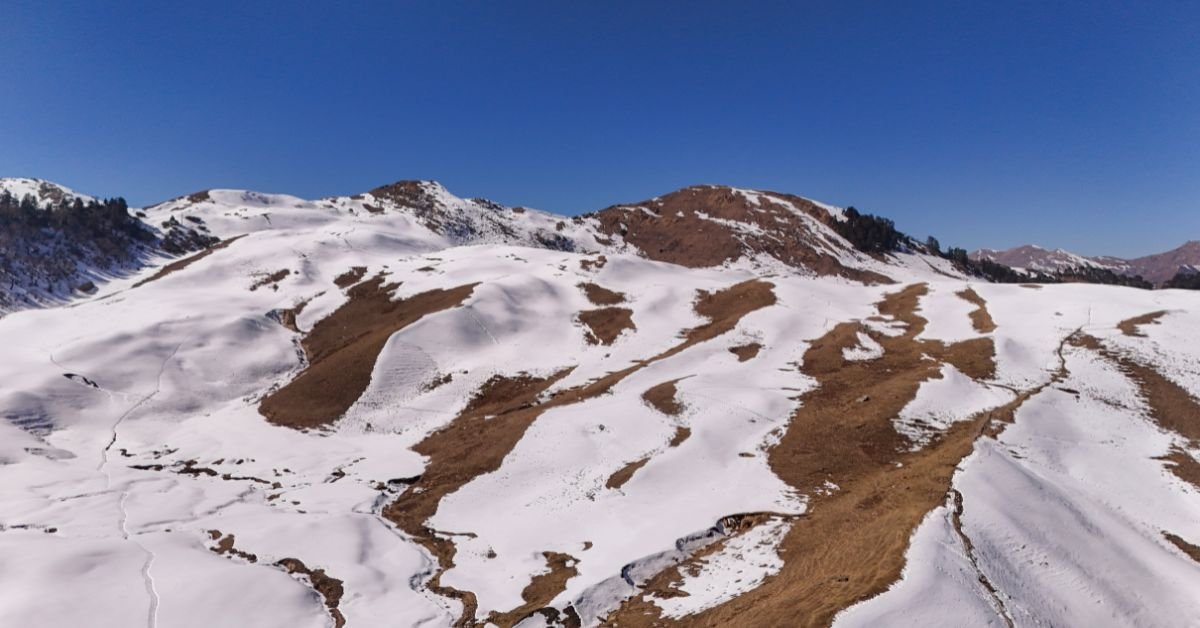
Dayara Bugyal is one of the most popular treks in Uttarakhand.
It is a high-altitude meadow above Raithal village in Uttarkashi district, famous for its scenic beauty, beginner-friendly terrain, and safety.
On the night of 29 May 2026, Babita Pandey disappeared from the Goi base camp on this trail.
A search operation involving the Indian Army, ITBP, NDRF, SDRF, the police, and the forest department deployed more than 150 personnel, along with drones, sniffer dogs, deep dive teams, and helicopters.
During that search, the District Tourism Officer confirmed that no valid digital permit had ever been issued for Babita or her companions on the official portal.
The agency that arranged the trek had bypassed the system entirely.
The trekkers were not at fault.
They paid a registered agency in good faith.
The agency handed them fraudulent paperwork.
That single detail is why this article exists.
If it happened to them, it can happen to you.
How The Permit System Is Supposed To Work
Uttarkashi district operates a single-window online portal called Explore Uttarkashi.
Every trekker heading to routes like Dayara Bugyal is required to be registered on it before starting the trek.
The system is designed to do three simple things.
First, it records who is on the mountain.
Names, contact details, and group composition sit in an official database.
If someone goes missing, rescuers know immediately who they are looking for and who organised the trip.
Second, it controls crowding.
Popular routes carry a daily cap on the number of trekkers.
Dayara Bugyal allows a maximum of 150 trekkers per day.
The cap protects fragile alpine meadows and keeps the trail manageable.
Third, it collects government revenue through permit fees, which fund maintenance and oversight of the routes.
A genuine permit, therefore, creates a digital record that exists independently of any piece of paper in your pocket.
That independence is the whole point.
Paper can be forged.
A roadside operator cannot fake a portal entry.
How The Fraud Worked, Step By Step
The Dayara Bugyal forgery was crude, which is exactly what makes it alarming.
The agency took a physical permit from an earlier, expired booking.
It pasted the names of the new trekkers onto that old document.
The group then presented this patched-up paper at the entry point and walked through.
The deception held until the QR code was actually scanned and cross-checked.
The code linked to the original trekkers from the expired booking, not the people standing on the mountain.
Why would an agency do this? Two reasons.
It avoided paying the government its permit fees.
Moreover, it sidestepped the daily cap of 150 trekkers, allowing the agency to push extra clients onto the route on days when official slots were full.
In other words, the fraud was a business shortcut.
The cost of that shortcut became apparent only when a client went missing, and the official records showed she was never there.
Why Your Permit Matters More Than You Think
Most trekkers treat the permit as an annoying queue before the fun begins.
The Dayara Bugyal case shows what it really is.
Consider what happens in the first hours after a trekker is reported missing.
Rescue coordinators pull the permit records for the route.
Those records tell them how many people are on the mountain, in which groups, with which agencies, and since when.
They tell rescuers which guide to call, which campsites the group booked, and which family contacts to inform.
Now, remove the permit from that picture.
Rescuers do not know your name.
They do not know your group size.
They do not know which agency is responsible for you.
They cannot match you to a campsite or a route plan.
Every one of those gaps costs time, and in mountain rescue, time is the entire game.
A forged permit is arguably worse than no permit.
It actively feeds wrong information into the system.
In the Dayara Bugyal case, the scanned code told officials that the trekkers were not who they claimed to be.
Your permit is your identity on the mountain.
Treat it that way.
How To Verify Your Trek Permit: A Practical Checklist
Here is the part that protects you.
None of these steps takes more than a few minutes.
| Step | What To Do | Why It Matters |
|---|---|---|
| 1 | Ask your agency for the digital booking confirmation, not just a printout | A genuine booking generates an electronic record you can see |
| 2 | Check that your own name and ID details appear on the permit | Pasted names and mismatched details are the classic forgery sign |
| 3 | Confirm the permit dates match your actual trek dates | Expired permits are the raw material of permit fraud |
| 4 | Ask which official portal issued the permit and verify the entry | For Uttarkashi routes, the portal is Explore Uttarkashi |
| 5 | Scan the QR code yourself before you travel | The code should show your group, not strangers |
| 6 | Keep a photo of the permit and confirmation on your phone | You may need to show it at checkposts or to rescuers |
If an agency hesitates at any of these steps, that hesitation is your answer.
A legitimate operator has nothing to hide and will show you the portal entry without drama.
One more habit worth building.
Share your permit copy, route plan, and agency contact with a family member before you leave.
If the system fails, your family becomes the backup record.
Red Flags When Choosing A Trekking Agency
The Dayara Bugyal agency was registered with the tourism department.
Registration alone clearly is not enough.
Watch for behaviour instead.
| Red Flag | What It Usually Means |
|---|---|
| Permit promised “on arrival” with no booking reference | The agency may be planning to improvise or forge |
| Price far below every competitor | Costs are being cut somewhere, often on permits, guides or safety |
| No written itinerary with named campsites | The agency has no accountable plan for your route |
| Reluctance to share guide names and certifications | Untrained or unregistered staff may be leading your group |
| Slots available when official caps are full | The daily limit is being bypassed, which is exactly the Dayara fraud |
| Payment is demanded only in cash with no receipt | The booking will leave no trail, and neither will you |
That last row deserves a pause.
If a route officially allows 150 trekkers per day and every legitimate operator says the date is sold out, but one agency can still “arrange it”, you are not being offered a favour.
You are being offered a forged permit.
Base Camp Safety In Uttarakhand: Habits That Cost Nothing
Permits get you onto the mountain safely.
Habits keep you safe once you are there.
The basics are simple and almost free.
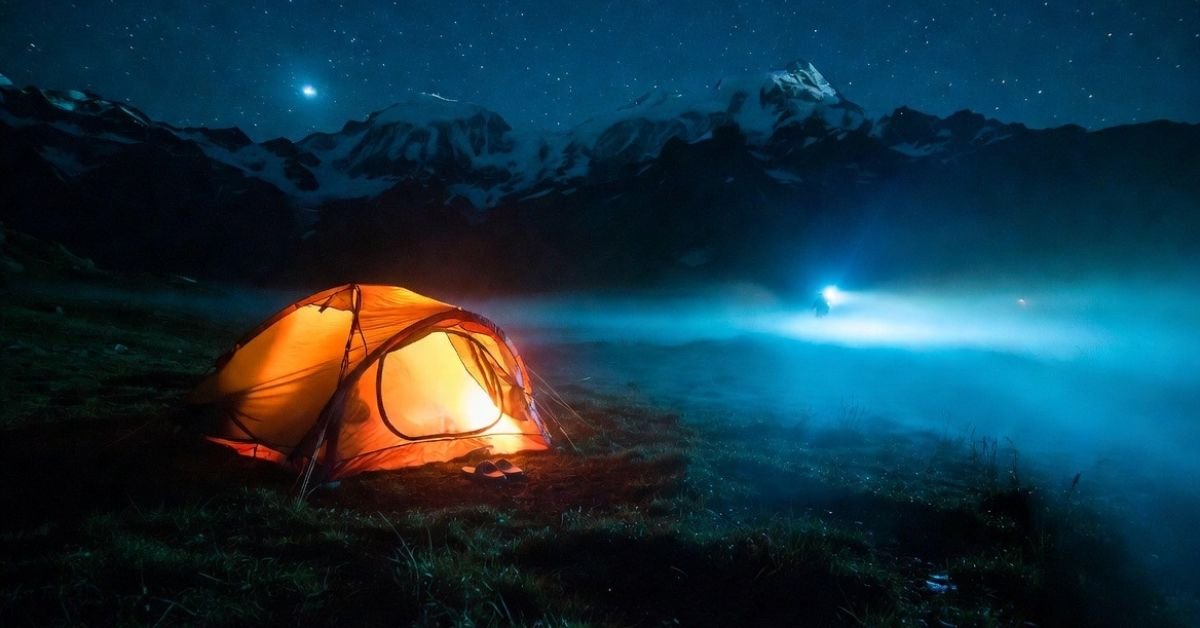
Stay with your group after dark.
The majority of trekking disappearances begin with one person stepping away from camp at night, often for a completely ordinary reason.
Tell someone before you step out.
Even a thirty-second word to a tentmate creates a timeline that rescuers can work with.
Keep your phone charged and conserve the battery.
Network coverage in high meadows like Dayara Bugyal is patchy or absent, but a phone with a charge can still serve as a torchlight, hold offline maps, and retain a last-known activity record.
Carry a whistle and a torch on your person, not in your bag.
If you are separated from your tent, your bag is useless.
Agree on a group rule for alcohol.
High altitude, darkness, cold, and alcohol are a poor combination, and disagreements over drinking at camp are a recurring theme in trek incident reports.
Memorise your campsite name and the nearest village.
“Goi base camp above Raithal” is information.
“Somewhere on the trek” is not.
What The System Itself Needs To Fix
Trekkers can verify their own permits, but the Dayara Bugyal case also highlights gaps that only the authorities can close.
QR codes were scanned at the checkpost, yet a code linked to the wrong people still let a group through.
Scanning without matching faces and IDs to the database is theatre, not verification.
Registered agencies clearly need random audits, not just one-time registration.
An operator willing to paste names onto expired permits has likely done it before without consequence.
Penalties also need teeth.
Suspension of registration after a person goes missing is a reaction.
Heavy fines and criminal liability for permit forgery, applied before tragedy strikes, would serve as a preventive measure.
Finally, the permit database should be visible to trekkers themselves.
A public lookup where any trekker can enter a booking reference and see their own registration would make the Dayara-style fraud nearly impossible, because every client becomes an auditor.
Uttarakhand’s adventure tourism is growing fast, and that growth is good for mountain communities.
However, growth built on decorative paperwork is borrowed safety. Sooner or later, the bill arrives.
Trivia Corner
The word bugyal means high altitude meadow in the local Garhwali language. Dayara Bugyal sits at roughly 3,400 metres and is often described as one of the most beautiful alpine meadows in Asia. Every year, villagers from nearby Raithal celebrate a unique festival on these meadows called Anduri Utsav, popularly known as the Butter Holi, where people playfully smear each other with butter and buttermilk to thank nature for a healthy grazing season.
The Takeaway
The search on Dayara Bugyal is a painful story, and our thoughts remain with the Pandey family as it continues.
However, the lesson it leaves behind is one every trekker can act on today.
Book with operators who show you the portal entry.
Verify your name, your dates, and your QR code.
Share your plan with family.
Stay with your group after dark.
Five minutes of verification before a trek is the cheapest insurance in the mountains.
The permit system only protects the people who are actually in it.
A Quick Word Before You Go Uttarakhand Trek
Thank you for reading this guide with us.
We will continue to cover travel safety, trekking, and the systems that protect Indian travellers in plain language, with practical steps you can use.
If you found this helpful, do explore more of our articles on everything shaping India today, right here on our website.
There is always something new waiting for you, and we would love to have you back.
Stay safe, plan well, and take care of yourself and your loved ones.
About Author